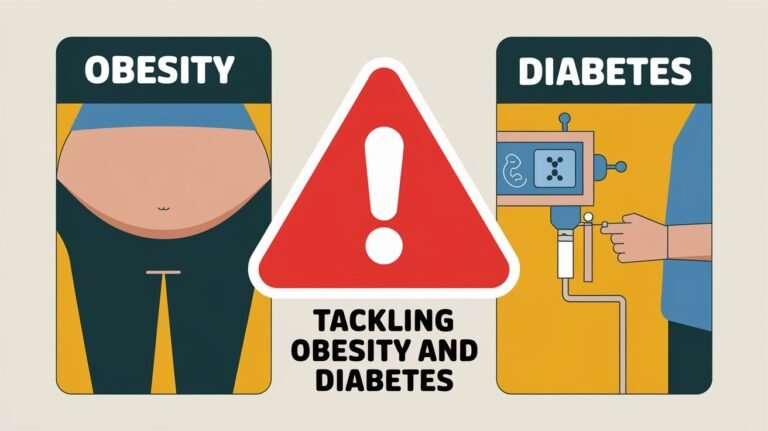
Why have millions of Americans started using diabetes drugs for weight loss? It’s because of a mix of America’s growing obesity problem and new medicines.
Nearly 42% of American adults were obese between 2017 and 2020, the CDC found. This is a big jump from about 30% in 2000. Obesity leads to serious health issues like heart disease and diabetes.
Google Trends shows a huge rise in searches for these drugs from 2018 to 2023. Ozempic searches grew steadily, with a strong upward trend. This shows a clear increase in interest.

Between December 2021 and February 2023, Ozempic was the most searched drug. Social media and famous people talking about it made these GLP-1 receptor agonists popular for weight loss.
The FDA approved semaglutide for diabetes in 2017 and Wegovy for weight loss in 2021. But, people using them for beauty has caused big problems for healthcare.
Key Takeaways
- Obesity rates among American adults jumped from 30% in 2000 to 42% by 2020, driving demand for effective interventions
- Google Trends data shows exponential growth in Ozempic searches with strong statistical significance (R² = 0.915, P
- Ozempic consistently dominated search volume compared to competing medications like Wegovy and Mounjaro from December 2021 through February 2023
- Social media and celebrity influence propelled GLP-1 medications from diabetes treatments to mainstream weight-loss solutions
- Off-label cosmetic applications have created supply challenges despite FDA approval for specific medical conditions
- These medication trends represent a fundamental shift in how Americans approach obesity management and treatment
Understanding GLP-1 Agonists and Their Role in Weight Management
Glucagon-like peptide-1 receptor agonists are a new type of weight-loss medicine. They work by mimicking hormones that control hunger. This has changed how doctors treat obesity and weight issues.
Dr. Cecilia Low Wang from UCHealth explains that these medicines target the brain’s hunger centers. The hypothalamus, a small part of the brain, controls hunger and fullness. GLP-1 agonists help patients lose weight by acting on these brain areas.

What Are GLP-1 Receptor Agonists
GLP-1 receptor agonists mimic a hormone made by your gut when you eat. This hormone is key in how your body processes food and energy. It helps manage digestion and metabolism.
The hormone stimulates insulin release and suppresses glucagon. This helps cells absorb glucose and keeps blood sugar levels stable.
These medicines have longer-lasting effects than natural GLP-1. They stay active for days, providing ongoing appetite suppression and metabolic benefits.
“These medications mimic a hormone called glucagon-like peptide-1, which targets areas of the brain that regulate appetite, specifically the hypothalamus.”
How Semaglutide Works for Weight Loss
Semaglutide works by decreasing appetite and slowing down digestion. It activates GLP-1 receptors in the hypothalamus, reducing hunger. It also makes you feel full for longer.
It slows down how fast food moves from your stomach to intestines. This makes you feel full for hours after eating.
When blood sugar rises after eating, semaglutide helps your pancreas make more insulin. This helps cells absorb glucose better. It also reduces glucagon production, preventing blood sugar spikes.
Dr. Sameer Khan from Johns Hopkins notes that scientists are studying how these medicines work. They know the effects on appetite, digestion, and glucose metabolism lead to weight loss.
The once-weekly injection schedule is convenient. It keeps therapeutic levels in the bloodstream, making it easier for patients to stick to treatment.
Ozempic vs. Wegovy: Key Differences
Ozempic and Wegovy both contain semaglutide. But, they were approved for different uses. Knowing these differences helps doctors choose the right medication for each patient.
Ozempic was approved in 2017 for Type 2 diabetes. It helps control blood sugar and can lead to weight loss. Many patients using Ozempic lost a lot of weight, sparking interest in semaglutide’s weight-loss benefits.
Wegovy was approved in June 2021 for chronic weight management. It targets adults with obesity or those who are overweight with health issues. This approval marked a big step in treating obesity as a medical condition.
| Feature | Ozempic | Wegovy |
|---|---|---|
| FDA Approval Year | 2017 | 2021 |
| Primary Indication | Type 2 Diabetes Management | Chronic Weight Management |
| Maximum Dose | 2.0 mg weekly | 2.4 mg weekly |
| Eligibility Criteria | Type 2 Diabetes Diagnosis | BMI ≥30 or BMI ≥27 with Comorbidities |
Wegovy is for people with a BMI of 30 or higher. It’s also for those with a BMI of 27 or higher and health problems like high blood pressure or Type 2 diabetes. These conditions show the need for weight loss.
The dosing schedules differ between formulations. Wegovy reaches a maintenance dose of 2.4 mg weekly, while Ozempic typically maxes out at 2.0 mg weekly for diabetes management. Both medications require subcutaneous injection once per week, usually in the abdomen, thigh, or upper arm.
Rybelsus is an oral tablet version of semaglutide approved for Type 2 diabetes. It’s a daily medication for those who don’t want injections. But, Rybelsus doesn’t have FDA approval for weight loss as a primary indication, limiting its use in obesity treatment.
The Surge in Use of Weight-Loss Drugs (e.g., GLP-1s like Ozempic/Wegovy) and Public Interest
Between 2021 and 2023, interest in weight-loss drugs like Ozempic and Wegovy skyrocketed. This was fueled by social media and celebrity endorsements. These endorsements turned these drugs into cultural icons quickly.
These drugs moved from medical circles to mainstream awareness fast. Digital platforms shared user success stories, boosting interest. This shows a shift in how people view obesity treatment and weight management.
Timeline of Rising Public Awareness
Ozempic’s journey from a specialized drug to a household name was marked by key phases. Each phase built momentum, showing how medical innovations become cultural phenomena. This journey involved medical communities, regulators, media, and the public.
Early Adoption and Medical Community Recognition
From 2017 to early 2021, Ozempic was mainly known for diabetes treatment. Doctors noticed patients losing weight as a side effect. This led to Novo Nordisk seeking approval for weight loss.
Healthcare providers recognized semaglutide’s weight loss benefits early on. They saw consistent weight loss in patients. This led to formal studies on its weight loss effects.
The FDA approved Wegovy in June 2021, a major milestone. This approval showed the drug’s safety and effectiveness for weight loss. It opened new paths for semaglutide beyond diabetes.

2022 saw a surge in public interest in these drugs. Media coverage and health articles reached a wide audience. This brought the drugs into the public eye.
Reports of medication shortages in early 2022 also raised awareness. These stories highlighted the demand and sparked curiosity. They introduced these drugs to many who were unaware.
Health publications and TV shows brought in-depth coverage. This layered exposure reinforced awareness across different groups.
GLP-1 Drugs Media Coverage and Viral Trends
Media coverage skyrocketed in 2022 and 2023. This created a cultural moment around these drugs. Coverage spanned health, entertainment, and lifestyle, showing their impact on life and discourse.
Search interest data showed Ozempic’s lead in relative searches. This reflects its strong brand recognition and access through diabetes indications.
Celebrity Endorsements and Public Figures
Celebrity endorsements like Elon Musk’s tweet about Wegovy sparked huge interest. His tweet reached millions, starting conversations everywhere.
Celebrities talking about using these drugs for weight loss helped normalize them. They made these drugs seem like accessible solutions, not just for severe obesity.
Celebrities’ influence on these medication trends is huge. They made talking about using prescription drugs for weight loss normal. This shift changed how we view obesity treatment.
Social Media Influence on Semaglutide Medication Trends
Platforms like TikTok and Instagram became places for sharing experiences and tips. Users posted before-and-after photos and discussed getting prescriptions. These stories created powerful social proof.
Hashtags for Ozempic and Wegovy got millions of views. Content ranged from educational to personal stories. This content spread awareness fast, turning individual experiences into collective movements.
But, this sharing raised concerns among doctors. Dr. Low Wang noted many people using these drugs without meeting medical criteria. This highlights the gap between patient demand and medical guidelines.
The rise of using Ozempic for cosmetic weight loss was fueled by social media and celebrities. Online communities shared tips on getting prescriptions easily. This created new ways to access these drugs, bypassing traditional healthcare.
Ozempic’s higher search volume compared to Wegovy shows complex dynamics. Wegovy’s specific approval for weight loss was overshadowed by Ozempic’s earlier presence. Insurance coverage also played a role, with diabetes indications possibly being more accessible.
This surge in weight-loss drug use reflects broader cultural conversations. The mix of healthcare and social media created new ways for drugs to gain acceptance. These digital-age patterns show new paths for pharmaceutical awareness, bypassing traditional channels.
Clinical Effectiveness and Evidence for Obesity Treatment
Studies show that weight-loss drugs like Wegovy offer big health benefits. These benefits go beyond just losing weight. Thousands of people from around the world took part in these studies.
They looked at how these drugs affect metabolism and overall health. This research is key to understanding the drugs’ impact on long-term health.
Research proves semaglutide is a top choice for managing obesity. Scientists used strict study methods to ensure the data was reliable. These studies showed benefits for people with different levels of obesity and health issues.
Wegovy Effectiveness for Obesity: Clinical Trial Results
The FDA approved Wegovy after thorough trials. Participants got either semaglutide or a placebo, along with diet and exercise advice. These changes helped them lose weight.
Studies lasted 68 weeks to see if weight loss lasted. Those on semaglutide lost more weight than those on the placebo. They also saw better blood pressure, cholesterol, and blood sugar levels.
STEP Trial Program Findings
The STEP program was key in proving Wegovy’s effectiveness. It included adults with obesity or overweight and health problems. Each trial had strict rules to measure outcomes.
People from different places and backgrounds took part. The trials showed consistent weight loss across groups. They also saw better heart health and less inflammation.
There were special trials for people with Type 2 diabetes and for keeping weight off after losing it. These studies gave more insight into how semaglutide works in different situations.

Dr. Sameer Khan says patients lose 15% to 20% of their body weight with these drugs. Studies show an average weight loss of 12% of body mass. This is more than what diet and exercise alone can achieve.
These drugs are more effective than older weight-loss medicines. They offer better weight loss than drugs that previously existed. This makes GLP-1 medications a big step forward in treating obesity.
Even a small amount of weight loss can be beneficial. Dr. John Sharretts says losing 5% to 10% of body weight can lower heart disease risk. These benefits happen even if you don’t reach your ideal weight.
Real-World Weight Loss Outcomes
In real life, people lose less weight than in studies. This is because of challenges like sticking to medication and dealing with side effects. But, many people do lose meaningful amounts of weight.
Dr. Khan notes that diabetes patients often need less insulin when taking these drugs. This can make their treatment easier and cheaper.
These drugs also help the heart in ways that go beyond weight loss. The SELECT trial showed a 20% reduction in heart attacks, strokes, and death from cardiovascular causes in high-risk patients. This suggests the drugs protect the heart in ways that aren’t just about weight loss.
Improvements in blood pressure are another big benefit. Dr. Low Wang says 5% to 7% weight loss can lower blood pressure a lot. This might let some people stop taking blood pressure meds.
There’s also a surprise benefit: better liver function. Studies show less fatty liver disease in people taking these drugs. Kidney disease markers also get better.
Long-Term Success Rates and Maintenance Considerations
Keeping weight off usually means staying on the medication. Stopping it often leads to weight gain. This makes semaglutide a long-term treatment, like for diabetes or high blood pressure.
Most people need to keep taking Wegovy to keep losing weight. Studies show quick weight gain after stopping. People with Type 2 diabetes might need to keep taking the drug to stay diabetes-free.
For people with Type 2 diabetes, losing 15% of body weight can stop diabetes. But, keeping diabetes away requires ongoing weight loss efforts.
Wegovy also lowers heart disease risk in people with obesity or overweight. The SELECT trial showed this clearly. Longer treatment might offer even more heart benefits.
Some patients can lower their medication dose or stop it altogether. This is usually because they’ve made big lifestyle changes. But, each person’s success depends on their unique situation.
Doctors look at more than just weight loss when judging treatment success. They consider overall health, quality of life, and how well the treatment works for each patient.
Access, Availability, and Ozempic Shortage Concerns
Shortages and high costs have made it hard for people to get these life-changing drugs. Studies show GLP-1 drugs work well for weight loss. But, getting them is tough for those who need them most.
The problem is not just about making the drugs. It’s also about who can afford them. Patients face many hurdles, from pharmacy stockouts to insurance denials. Understanding these challenges helps us see the real-world impact of these medications.
Current Supply Chain Challenges
The demand for GLP-1 drugs has grown too fast for manufacturers to keep up. This has led to shortages that affect many patients. The industry is working hard to increase production, but it takes time.
Companies are investing billions to make more drugs. But, it takes years to get new facilities up and running. This means patients often can’t get the drugs they need right away.
Manufacturing Capacity Issues
Companies like Novo Nordisk and Eli Lilly are struggling to meet demand. GLP-1 agonists are complex drugs that take a long time to make. This makes it hard to quickly increase production.
Novo Nordisk had to limit Wegovy’s launch to manage supply. This decision helped current patients but frustrated new ones. The company is investing in new facilities to increase production in the future.
These new facilities will help in the long run. But for now, ozempic shortage concerns are affecting patient care. The FDA has acknowledged these shortages, showing how serious the problem is.
Distribution and Pharmacy Stock Limitations
Pharmacies often run out of the specific doses patients need. This makes it hard for patients to get their prescribed drugs. It can lead to treatment interruptions and setbacks in weight management.
Patients may have to switch between different drugs or stop treatment altogether. This can affect their health and make it harder to manage their weight when they start again.
Getting the right dose of medication is also a problem. Some doses are harder to find than others. This creates uncertainty and stress for patients.
Insurance Coverage and Out-of-Pocket Costs
Many patients can’t afford GLP-1 medications, even if they need them. These drugs are very expensive. Without good insurance, many can’t get the treatment they need.
Insurance coverage varies a lot. Some plans cover these drugs, while others don’t. This creates unfair access to treatment, based more on who you are than your health needs.
Prior Authorization Requirements
Getting insurance to cover GLP-1 drugs often requires a lot of paperwork. You need to show you meet certain criteria, like a high BMI or failed diet attempts. This can delay treatment for weeks or months.
This process is hard for doctors and patients. It can make treatment harder to get, even when it’s needed. The FDA has recognized these shortages, showing how serious the problem is.
Cost Barriers for Patients
GLP-1 therapy is very expensive. Without insurance, it can cost over $15,000 a year. This is a huge burden for many people.
Insurance plans often cover these drugs for diabetes but not for weight loss. This leads to “indication shopping,” where doctors focus on diabetes to get coverage. This raises ethical questions and shows problems with insurance policies.
The cost really affects access and represents a huge issue related to health equity. Many of the people who are publicly discussing using the medications are wealthy individuals for whom cost is not a problem.
This shows how medication access barriers create unfair systems. Rich patients can afford treatment, but others can’t. Coupon programs and patient assistance help but don’t solve the problem.
| Coverage Scenario | Monthly Cost | Annual Cost | Typical Requirements |
|---|---|---|---|
| No Insurance Coverage | $700-$1,000 | $8,400-$12,000 | Full out-of-pocket payment |
| Insurance with Diabetes Diagnosis | $25-$200 | $300-$2,400 | Prior authorization, diabetes confirmation |
| Insurance for Weight Loss Only | $100-$700 | $1,200-$8,400 | Often not covered or high copay tier |
| Manufacturer Assistance Programs | $0-$25 | $0-$300 | Income limits, commercial insurance only |
GLP-1 therapy’s long-term cost is uncertain. Insurance coverage is key to making it affordable. Without it, many can’t afford the treatment they need.
Off-Label Use and Prescription Practices
GLP-1 drugs are being used for reasons not approved by the FDA. Some people use them for cosmetic weight loss. This raises concerns about fairness during shortages.
People without obesity or related health issues are using these drugs. This is not approved by the FDA. It’s unfair to those who really need the drugs for health reasons.
Telemedicine and medical spas are making it easier to get these drugs. But, this can lead to misuse. It’s important to ensure these drugs are used correctly.
Off-label prescribing is legal and sometimes medically appropriate. But, it’s important to use these drugs wisely. This ensures they reach those who need them most.
Doctors must balance patient needs with the bigger picture. Clear guidelines can help make sure these drugs are used fairly. This is important for everyone’s health.
Fixing access issues requires many steps. More production, better insurance, and fair prescribing are all needed. Until then, many will struggle to get the treatment they need.
Ozempic Public Health Impact and Healthcare System Implications
Ozempic is changing how we fight obesity and diabetes. It’s making healthcare providers rethink how they manage patients. This change affects everything from how doctors prescribe to how health policies are made.
Using Ozempic for weight loss is creating both opportunities and challenges. Healthcare systems must balance immediate needs with long-term goals. When there’s a shortage, patients with diabetes face challenges in getting their medication.

Impact on Diabetes Care and Patient Prioritization
Shortages of Ozempic have raised ethical dilemmas for diabetes care. Originally for Type 2 diabetes, it’s now in demand for weight loss. This has led to access issues for diabetes patients.
Pharmacies have set up systems to help diabetes patients first. But, some diabetes patients have had to wait for their medication. This can affect their blood sugar control and increase health risks.
Deciding who gets the medication is tough. Should it go to diabetes patients or those trying to lose weight? The answer is not easy, as obesity is a risk factor for diabetes.
Some see Ozempic as a way to prevent diabetes. Losing 15% of body weight can stop diabetes in some people. This could reduce the need for diabetes medications and lower heart disease risk.
The benefits for the heart are also important. Studies show these medications can lower heart risks by about 20%. This makes choosing who gets them even harder.
Experts say this debate shows bigger issues in healthcare. Finding ways to deal with obesity could help avoid these tough choices.
Healthcare Provider Perspectives on Prescription Weight-Loss Medications
Doctors are adjusting to more patients on GLP-1 medications. This change affects many areas of medicine. It requires new approaches in how patients are managed.
Plastic surgeons are seeing more patients after weight loss. These patients need body contouring to deal with excess skin. This is a new challenge for aesthetic medicine.
Gastroenterologists have changed their procedures because of GLP-1 medications. Johns Hopkins now requires patients to stop these medications before endoscopy. This is to avoid risks during the procedure.
Having food in the stomach during endoscopy can lead to complications. Hospitals and surgical centers need to update their protocols. As more data comes in, national guidelines will likely change.
| Medical Specialty | Practice Adaptations | Key Concerns |
|---|---|---|
| Primary Care | Patient education, side effect management, dose titration, long-term monitoring | Prescribing pressure from patients influenced by social media despite not meeting clinical criteria |
| Endocrinology | Shifting patient populations with increased weight management consultations | Balancing diabetes care with growing obesity treatment demand |
| Gastroenterology | Modified pre-procedure protocols requiring medication discontinuation | Delayed gastric emptying increasing aspiration and sedation risks |
| Plastic Surgery | Body contouring consultations for post-weight-loss patients | Managing patient expectations for skin and tissue changes after significant weight loss |
Primary care doctors now play a key role in prescribing these medications. They must educate patients and manage side effects. They often face pressure to prescribe, even when it’s not right.
Healthcare providers say more awareness and studies are needed. As these medications become more common, medical education must evolve. This will help doctors prescribe and manage them properly.
Economic Burden and Cost-Effectiveness Analysis
Using GLP-1 agonists widely is a big financial challenge. At over $15,000 annually per patient, the cost is high. If used for all eligible Americans, the total cost could be in the hundreds of billions.
Cost-effectiveness analysis is key. It must compare the cost of medications to the savings from preventing complications. These medications could save money by preventing expensive conditions.
Diabetes remission can save a lot of money. When weight loss stops Type 2 diabetes, patients no longer need expensive medications. This also reduces heart disease risks, saving more money.
Other savings include:
- Reduced need for bariatric surgery procedures and related complications
- Improved fatty liver disease outcomes, preventing progression to cirrhosis and liver transplantation
- Decreased joint replacement surgeries from reduced weight-bearing stress
- Lower sleep apnea treatment costs as weight loss improves breathing
- Reduced cancer incidence linked to obesity
Studies suggest these medications could be cost-effective for high-risk populations. For those with heart disease or diabetes, the costs might be offset by avoided medical events. But, the cost-effectiveness for those seeking weight loss is uncertain.
Insurance coverage is a problem. Many plans cover GLP-1 agonists for diabetes but not for weight loss. This creates inefficiencies in healthcare, as treating obesity could prevent diabetes and other costly conditions.
The obesity crisis in America is severe. Nearly 42% of American adults were obese from 2017 to 2020, up from roughly 30% in 2000. This crisis demands a wide range of solutions. The rising rates of obesity and related diseases are straining healthcare resources.
To fully use these medications, healthcare systems must change. They need to address access barriers and develop guidelines. Long-term studies and better pricing are also essential. Without these changes, the benefits of GLP-1 medications may not be fully realized.
Cultural Phenomenon and Obesity Treatment Pharmaceutical Options
GLP-1 agonists have changed how we see obesity. These medicines have started big talks about obesity, medicine, and personal responsibility. They challenge old ideas about treating weight-related issues.
These medicines have made a big splash in celebrity culture and social media. People are sharing their weight loss stories, changing how we view weight loss treatments. This shift is a big deal in public health.
Shifting Perspectives on Medical Weight Management
For years, we thought obesity was just about eating too much and not moving enough. This view blamed people for their weight, not giving them real help.
This old way of thinking made people feel judged when they talked about weight loss. Doctors often didn’t support patients who wanted to lose weight. They saw obesity as a personal flaw, not a health issue.
Now, science tells us obesity is more complex. It involves genetics, hormones, and metabolism. This new understanding shows obesity is not just about willpower.
Now, we focus on reducing weight to improve health. We understand the complex physiology behind excess weight.
The medical field now sees obesity as a chronic disease. It’s caused by many genes affecting hunger and metabolism. This makes it hard to lose weight just by trying harder.
Other factors like the gut microbiome and brain signals also play a part. Environmental and social factors add to the challenge. This makes obesity hard to solve with just willpower.
GLP-1 medicines have made people more open to weight loss treatments. They are seen as a valid option, like treatments for other diseases. Celebrities and regular people sharing their success stories are helping change attitudes.
Navigating Ethical Questions and Access Challenges
The success of weight-loss medicines has raised big questions. There’s debate about who should get these medicines and why. Shortages make things even more complicated.
Medical Necessity Versus Aesthetic Enhancement
These medicines are approved for obesity and related health issues. But, people also use them for cosmetic reasons. This gap between official use and real-world application is causing tension.
Some doctors think medicines should go to those who need them most. People with severe obesity or diabetes are at high risk. Giving medicines to them first makes sense.
Others see the benefits of early intervention. Losing weight early can prevent serious health problems. BMI alone doesn’t tell the whole story of someone’s health.
The “Ozempic face” shows the tension between health and looks. Fast weight loss can make faces look different. This highlights how hard it is to separate medical and cosmetic uses.
Economic Barriers and Healthcare Inequity
These medicines cost over $15,000 a year without insurance. This makes them mostly available to the wealthy. Many can’t afford them, creating big health disparities.
Lower-income people face higher obesity rates but have less access to treatments. This creates a system where the rich get the best treatments and the poor get less. Some get no treatment at all.
Insurance coverage is a big issue. Many plans cover these medicines for diabetes but not for weight loss. This seems unfair, given their benefits for both.
Cash-pay telemedicine services are growing. They offer convenient access to medicines for those who can pay. But, they’re out of reach for many who need them most. Location also affects access, with rural areas facing more challenges.
Dealing with obesity requires more than just medicines. We need to address the social and environmental factors that cause it. Without tackling these, medicines alone won’t solve the problem.
Exploring Additional Pharmaceutical Treatment Options
While semaglutide gets a lot of attention, there are other medicines for weight loss. These options help doctors tailor treatments to each patient. This is a big improvement from just a decade ago.
Mounjaro (tirzepatide) is the next big thing. It works in a different way than semaglutide. Some studies suggest it might help people lose even more weight, but more research is needed.
SGLT2 inhibitors are another group of medicines for weight loss. They include:
- Jardiance (empagliflozin) – Helps with weight loss by increasing urine glucose
- Farxiga (dapagliflozin) – Offers heart and kidney benefits along with weight loss
- Invokana (canagliflozin) – Originally for diabetes, it also helps with weight loss
These medicines don’t lead to as much weight loss as GLP-1 agonists. But, they offer other health benefits. They might be a good choice for those who can’t use GLP-1 medicines or want more benefits.
Older medicines like Qsymia and Contrave are also options. They work differently than GLP-1 drugs. They can be a good choice for some patients.
Bariatric surgery is a very effective option for severe obesity. It can lead to big weight loss and improve health. But, it’s a big step that requires careful consideration.
Non-pharmacological approaches like weight management programs are also important. They offer a way to lose weight without medicines. They’re helpful for those who prefer not to use medicines or can’t afford them.
With more treatment options, doctors can tailor care to each patient. This is a big step forward from just a decade ago. But, we need to make sure everyone has access to these treatments.
To fully benefit from these medicines, we need to solve big challenges. We need fair pricing and access for all. We also need to address the social and environmental factors that cause obesity. Only then can these medicines truly improve health for everyone.
Conclusion
Weight-loss drugs like Ozempic and Wegovy have caught the nation’s attention. They show America’s need for effective ways to fight obesity. These drugs promise more than just weight loss, improving heart health and diabetes control.
Doctors from all fields must get ready for the impact of these treatments. The demand is high, leading to shortages and changes in how surgeries are done. Patients need to know what to expect, the costs, and the need to keep taking the medication.
The fight against obesity will face big challenges, like high costs and limited insurance. We can’t just rely on drugs. Changing our food systems and environments is also key to solving obesity.
As research goes on, we’ll learn more about using these drugs safely and effectively. The rise in their use shows how medical breakthroughs can excite people. But, we must make sure these benefits reach everyone, not just those who can afford it.
FAQ
What are GLP-1 receptor agonists and how do they help with weight loss?
What is the difference between Ozempic and Wegovy?
How much weight can people typically lose on Wegovy or Ozempic?
Why has public interest in Ozempic surged so dramatically?
Are there currently shortages of Ozempic and Wegovy?
How much do Ozempic and Wegovy cost, and does insurance cover them?
What are the cardiovascular benefits of semaglutide medications?
Do people regain weight after stopping Ozempic or Wegovy?
What are the side effects and safety concerns with GLP-1 weight-loss drugs?
Who should prioritize access to these medications during shortages?
How has social media influenced semaglutide medication trends?
What other prescription weight-loss medications are available beside Ozempic and Wegovy?
How has the medical community’s understanding of obesity changed with these medications?
What is the public health impact of widespread GLP-1 medication use?
Can these medications be taken in oral form instead of injections?
Are GLP-1 medications suitable for everyone who wants to lose weight?
How do healthcare providers across different specialties need to adapt to increased GLP-1 medication use?
What role do telemedicine platforms play in accessing GLP-1 weight-loss medications?
What ongoing research is being conducted on GLP-1 medications?
While Ozempic and Wegovy are widely recognized for their fast and effective results in weight loss, it is important to acknowledge some significant downsides as well. These medications come at a high price, making them financially inaccessible for many people. Additionally, the side effects—ranging from nausea, vomiting, and digestive issues to more serious risks like pancreatitis or potential thyroid tumors—can vary greatly between individuals, and it is not always clear how someone’s body will react in the long term. For these reasons, anyone looking to lose weight safely should carefully consider natural, healthy lifestyle changes as a first option rather than immediately turning to medication. Read Natural Ways To Stay Healthy And Lose Weight Here