You may have felt frustrated by slow results despite good intentions. I get it — the journey to steady weight changes can feel heavy and confusing. This short guide meets you where you are and offers a clear, kind plan you can use today.
You’ll find a friendly roadmap to real, evidence-based choices. Learn how metabolism, calorie balance, and satiety work together so you can pick foods that support steady weight loss without gimmicks.
We highlight protein-rich picks, high-fiber options, and low-calorie-density meals that help manage appetite and keep your energy steady. Expect simple swaps like Greek yogurt for breakfast or beans in soups to save calories while staying full.
By the end, you’ll know which items give the most benefits per bite, what studies show, and how to build satisfying plates that fit your life.
Start here: How your metabolism and appetite work right now
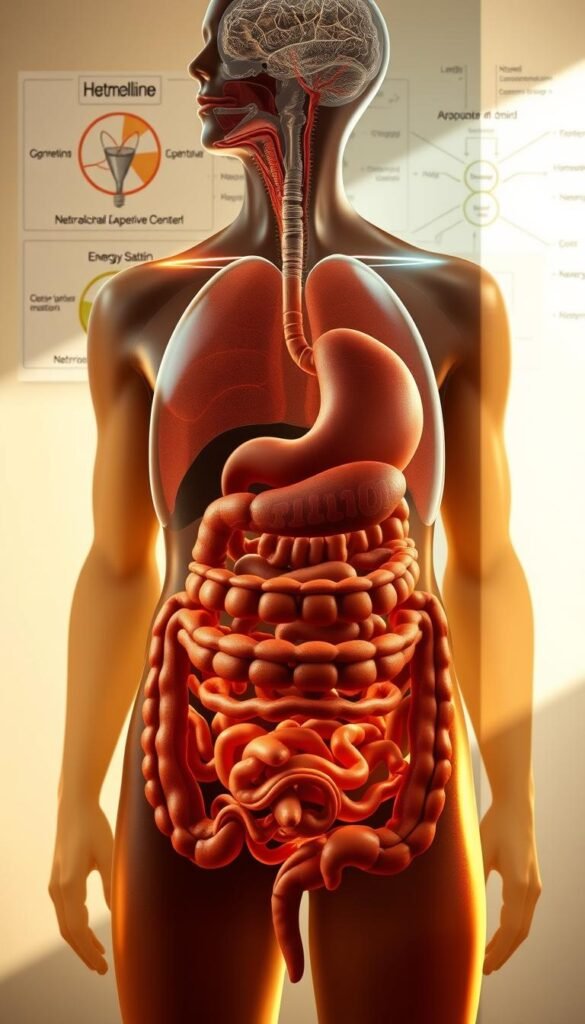
You don’t need complex rules to make progress. Start by seeing how your body turns food into energy and how that shapes hunger across the day. Small swaps can change how full you feel and how many calories you naturally eat.
Why protein and fiber help you feel full longer
Protein’s thermic edge
Protein requires more effort to digest than carbs or fat, so your body burns a few extra calories while processing it. That modest boost supports your daily energy balance and helps manage appetite.
Fiber slows digestion
High-fiber items like legumes, oats, berries, and cruciferous veggies slow stomach emptying. Fiber stabilizes blood sugar and signals fullness to appetite hormones, so you often eat less overall.
Volume without extra calories
Foods high in water and low calories — cucumbers, broccoli, and broth-based soups — let you eat larger portions without added calories. Studies link these picks with lower body weight.
| Feature | Example | Main benefit | How to use |
|---|---|---|---|
| High protein | Greek yogurt, eggs | Thermic effect, satiety | Pair with veggies at meals |
| High fiber | Beans, oats | Slower digestion, fullness | Add to soups and salads |
| High water / low calories | Cucumbers, broth soups | Volume, fewer calories | Start meals with a soup or salad |
15 Natural Foods That Melt Fat Naturally
Here’s a practical list of pantry and fridge staples that help your metabolism work more efficiently while keeping you full.
What you’ll find: short snapshots of each pick, how it helps appetite control, and a quick note on calories and nutrients so you can use them in everyday meals.
Quick snapshots and practical benefits
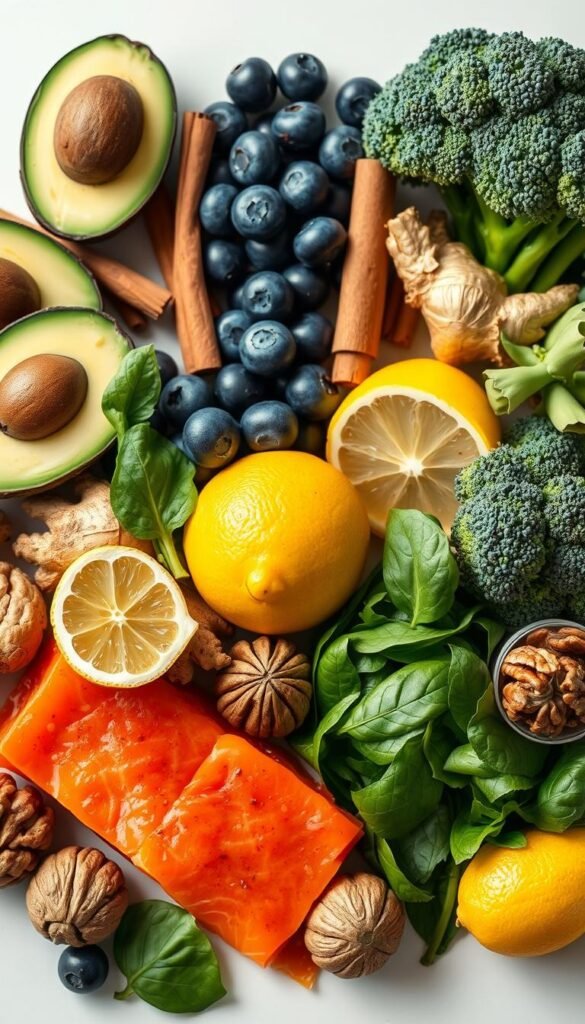
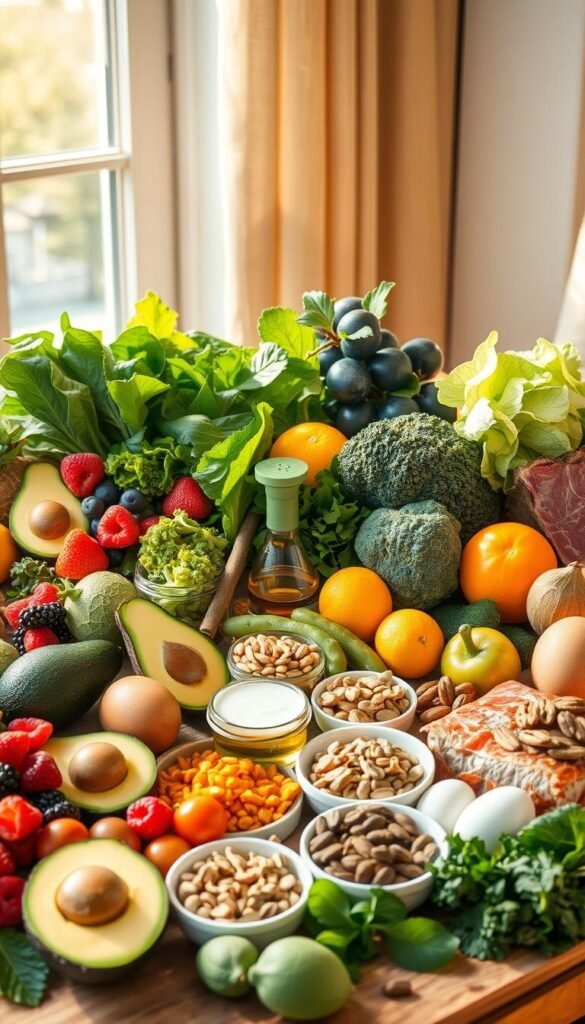
- Fatty fish (salmon, tuna): omega-3s and iodine support thyroid and metabolic health.
- Lean meats & eggs: high-quality protein raises the thermic effect and boosts satiety.
- Greek yogurt & cottage cheese: protein-dense, with calcium and probiotics for fullness.
- Legumes & hummus: fiber and protein slow digestion, keeping calories in check.
- Whole grains (oats, quinoa, brown rice): steady energy, resistant starch, and lasting fullness.
- Fruits (berries, apples, bananas, avocado): fiber, water, potassium, and vitamin absorption.
- Vegetables (cruciferous, leafy greens, cucumbers, mushrooms): volume, thylakoids, and low calorie density.
- Potatoes & sweet potatoes: high satiety and resistant starch when cooled after cooking.
- Nuts & chia seeds: portable, nutrient-rich snacks that slow hunger when portioned.
- Metabolism-friendly sips & spices: green tea catechins, capsaicin from chili, ginger, and turmeric for small boosts.
Pair a protein with a fiber-rich side and a watery vegetable to build balanced plates. Some picks are grab-and-go (banana, yogurt, nuts). Others are cook-once staples (quinoa, roasted chicken, lentils) that make meal prep easier.
Realistic expectations: these items support steady weight loss as part of a balanced diet. Small swaps add up—combine them consistently and let the research-backed benefits work over time.
Lean protein power: Fish, chicken, eggs, and plant proteins
Choose high-quality protein to boost fullness, support muscle, and nudge your metabolism in the right direction. These picks help control appetite and keep your energy steady throughout the day.

Fatty fish like salmon and tuna
Fatty fish deliver omega-3 fatty acids and complete protein. Aim for two servings per week as the American Heart Association suggests. Canned salmon or tuna work well when you’re short on time.
Seafood also supplies iodine, which supports thyroid function and metabolism.
Skinless chicken and lean meats
Skinless chicken breast and other lean cuts have a higher thermic effect. That means your body uses more energy to digest them, which supports weight goals.
Lean meats also provide iron, important if you feel low on energy or are active.
Eggs at breakfast
Small controlled studies show eggs increase fullness for hours versus cereal-based starts. Try a veggie omelet or two hard-boiled eggs with fruit to avoid mid-morning snacking.
Greek yogurt and cottage cheese
Greek yogurt offers more protein than traditional yogurt and may contain live cultures. Cottage cheese is low in carbs and high in protein, making both smart, quick options to stay satisfied.
Tempeh for vegetarians
Tempeh gives fiber and protein in one package. Sauté it for bowls, wraps, or stir-fries to hit protein targets without meat.
- Quick tip: Pair a protein with a fiber-rich side to keep hunger controlled and support steady weight progress.
Fiber-packed legumes and hummus to curb appetite
Legumes pack a double punch: fiber to steady hunger and protein to keep your muscles fueled. They help control appetite and support steady weight progress when you add them to regular meals.
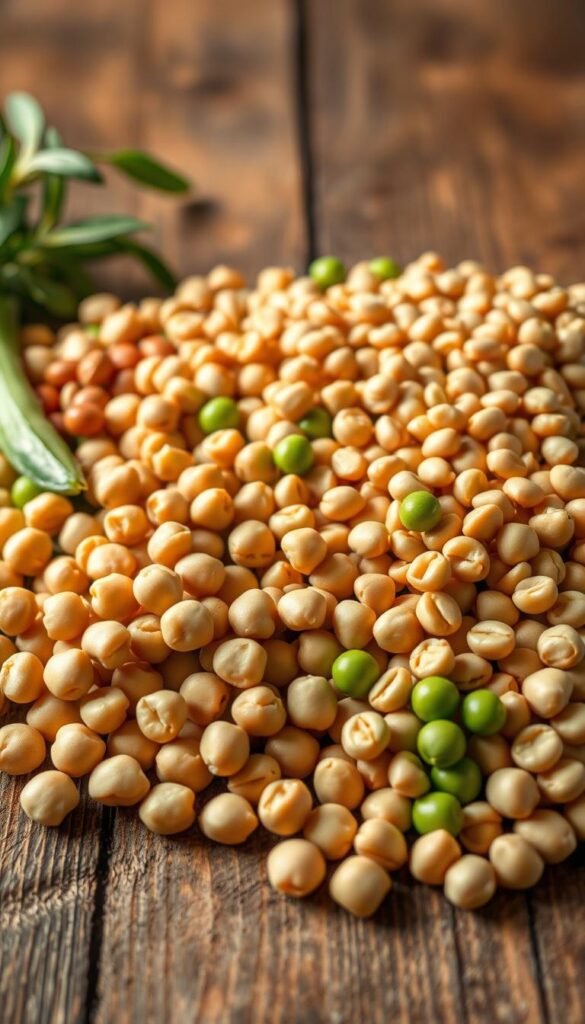
Beans and lentils: high fiber, protein, and resistant starch
Beans, lentils, and chickpeas deliver roughly 8 grams of protein and 8 grams of fiber per serving in many cases. That combo slows digestion, steadies blood sugar, and keeps you full longer.
Some legumes contain resistant starch that can boost fullness, especially when paired with whole grains or cooled potatoes. They also supply iron, magnesium, and potassium—key nutrients for energy and recovery.
Hummus as a satiating spread rich in healthy fats
Hummus combines garbanzo beans, olive oil, and tahini for plant protein and monounsaturated fats. A 1/3-cup portion gives filling protein and fats that improve diet quality and reduce snack intake.
- Use low-sodium canned beans for quick bowls, soups, and tacos.
- Try hummus with cucumbers or carrots for a portion-smart snack that slows hunger.
- Mix beans into salads to raise fiber and help manage daily calorie intake for weight goals.
Whole grains done right: Oats, quinoa, and brown rice
Choose whole grains that steady your day and keep hunger in check. These options give lasting satisfaction and help you avoid mid-morning energy drops.
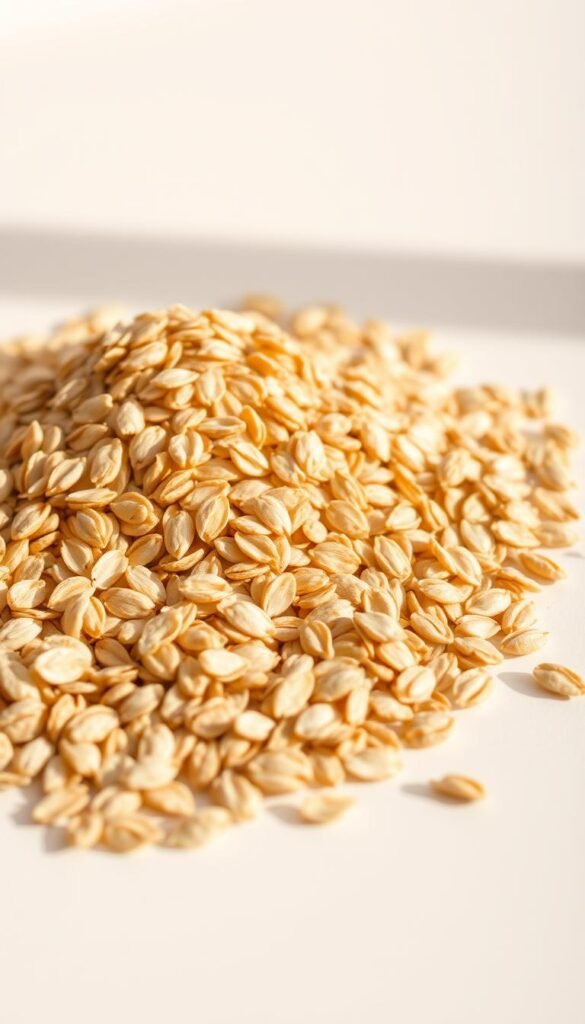
Oatmeal slows sugar release into your blood
Oats deliver soluble fiber that slows how quickly sugar enters your blood. This helps steady your energy and reduces mid-morning crashes.
Try overnight oats or a hot bowl with berries and chopped nuts for a filling start. Oats also offer more protein than many grains, which raises satiety.
Quinoa and brown rice: fiber, protein, and better weight outcomes
Quinoa and brown rice provide more fiber and protein than refined grains. That mix supports weight loss and long-term management by keeping you full longer.
Research even points to benefits: a 2022 rat study found quinoa improved obesity from a high-fat diet, suggesting potential metabolic advantages.
- Batch-cook quinoa or brown rice for quick bowls with beans, greens, and lean protein.
- Portion grains like a cupped handful cooked to balance calories while staying satisfied.
- Use oats twice weekly for breakfasts that cut cravings.
| Grain | Key benefit | Best use |
|---|---|---|
| Oats | Soluble fiber; steady energy | Overnight or hot bowls with fruit |
| Quinoa | Higher protein; fuller for longer | Buddha bowls, salads, batch-cook |
| Brown rice | Whole-grain fiber; versatile | Stir-fries, sides, reheats well |
Fruits that fill you up without the sugar crash
Smart fruit choices can satisfy sweet cravings without sending your blood sugar on a roller coaster. Pick options that add fiber and nutrients so you stay full and avoid spikes in sugar.
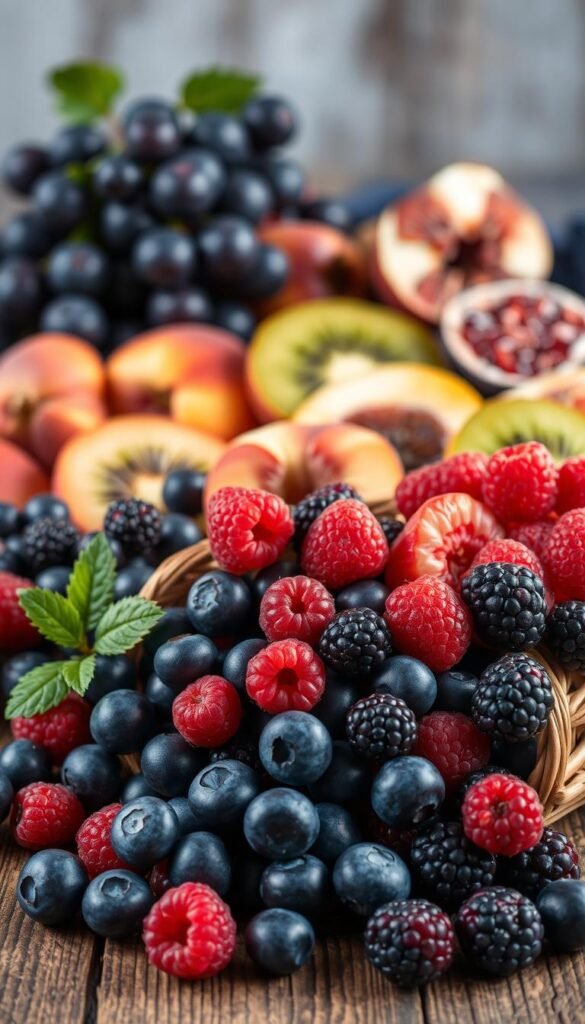
Berries: low calories, high fiber, and antioxidant benefits
Berries are a go-to when you want flavor with low calories and more fiber. They add bulk to yogurt or oatmeal without a sugar spike.
Use them as a dessert swap or a topping to make breakfasts feel indulgent while still curbing cravings.
Apples: pectin-rich crunch that supports fullness
Apples bring pectin, a soluble fiber that slows digestion and helps you feel satisfied longer. Reviews have linked regular apple intake over weeks to modest weight loss for people with overweight.
Try slices with nut butter to replace processed snacks and keep hunger away.
Bananas: portable fiber and potassium for steady energy
Bananas make a handy 120-calorie snack with fiber, potassium, and magnesium. They provide steady energy, especially when paired with a bit of protein or nut butter.
Keep one in your bag for busy days to avoid vending-machine choices.
Avocado: healthy fats, fiber, and fat-soluble vitamins
Avocado supplies heart-friendly fats, water, and fiber, and it helps your body absorb fat-soluble vitamins from salads and salsas.
Because it is calorie-dense, watch portions—use a quarter to a half avocado on toast or in guacamole.
- Quick pairings: Greek yogurt with berries, apple slices with peanut butter, banana with almond butter.
- These simple swaps balance taste, texture, and satiety so you enjoy the benefits of whole foods without the crash.
Vegetables with volume: Cruciferous, leafy, and hydrating picks
Filling vegetables offer water and fiber so you leave the table feeling full on fewer calories. Choose volume-rich options to help control portion size while getting key nutrients.
Broccoli and cruciferous picks
Broccoli and similar veggies
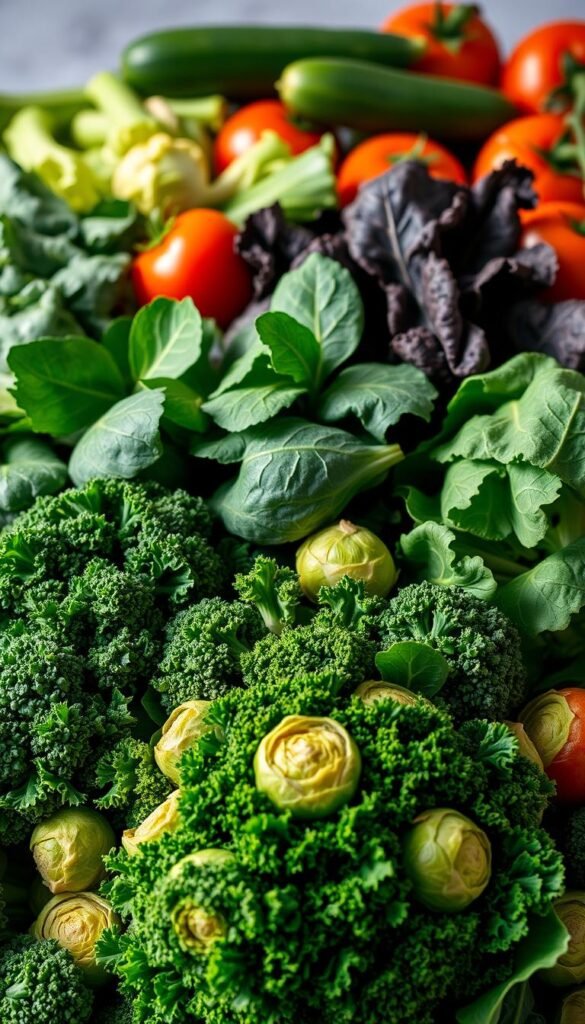
Broccoli and other cruciferous vegetables have high water and fiber content. They add chew and texture to stir-fries, sheet pans, and grain bowls.
These picks help you eat a generous plate without raising your daily calorie load.
Kale and spinach
Kale and spinach supply vitamins and thylakoids linked with better appetite control. Add them to smoothies, sautés, or salads for a big nutrition boost.
Cucumbers and mushrooms
Cucumbers bring crisp hydration and are naturally low calories. Mushrooms add savory umami that can reduce your reliance on salty or high-fat toppings.
Potatoes and sweet potatoes
Boiled or baked potatoes score high on the satiety index. Cooling white potatoes raises resistant starch, which may help fullness between meals.
Bake or boil instead of frying to keep the health benefits and satiety without extra oil.
Simple ways to use them
- Start meals with a broth-based veggie soup or a big salad.
- Roast a tray of crucifers with spices for easy bowls all week.
- Mix greens into grains and beans to stretch meals while staying satisfied.
| Vegetable | Key content | Best use |
|---|---|---|
| Broccoli | High water, high fiber | Roast, steam, add to bowls |
| Kale / Spinach | Micronutrients, thylakoids | Smoothies, salads, sautés |
| Cucumber / Mushroom | Hydration, low calorie, umami | Snacks, salads, stir-fries |
| Potato / Sweet potato | Satiety, resistant starch when cooled | Boil, bake; cool for salads |
Bottom line: Use these vegetables to build larger plates with fewer calories. The water and fiber content combine to curb appetite and deliver lasting benefits for your meals and goals.
Smart fats, nuts, and seeds that help you feel full
Choose portion-smart servings that blend healthy oils, protein, and fiber to keep hunger at bay. A small, planned snack can reduce overeating later and make meals easier to manage.
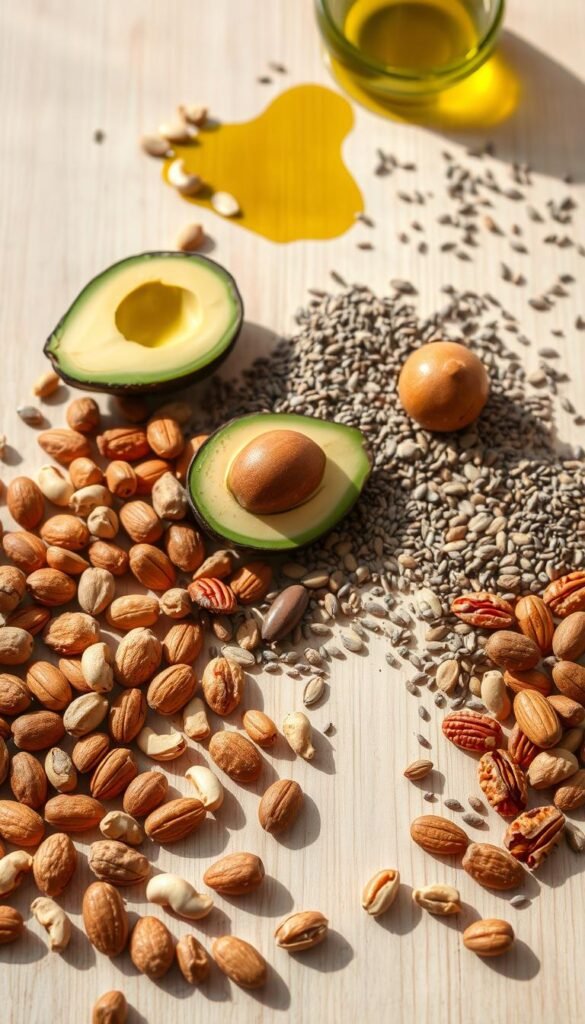
Almonds and mixed nuts: protein, fiber, and portion-smart snacks
A one-ounce handful of almonds gives protein, fiber, and healthy fats that help you feel satisfied between meals. Keep single-serve packs or measured jars so you don’t overshoot your intake.
Chia seeds: fiber and omega-3 fatty acids for satiety
Chia brings soluble fiber and omega-3s in tiny scoops. Stir a tablespoon into yogurt or make a quick chia pudding to slow digestion and cut later snacking. Small studies show chia can reduce how much people eat after a meal.
Nut butters: balancing carbs to steady blood sugar
Pair a spoonful of nut butter with fruit or whole-grain toast to lower a meal’s glycemic impact. This helps steady blood sugar and keeps your energy steady so you skip impulsive snacks.
“A mindful handful beats grazing all afternoon.”
- Portion tip: aim for 1 oz nuts or 1 tbsp nut butter per snack.
- Simple combos: apple with almond butter, yogurt with chia, or a small mixed-nut pack.
- These modest choices deliver real benefits and support long-term weight goals when you track portions.
Dairy that supports muscle and fullness
Smart dairy choices give you a steady dose of protein plus bone-supporting nutrients. Low-fat milk supplies calcium and vitamin D that help muscle and overall health. It also raises your protein intake when you use it in oatmeal or smoothies.
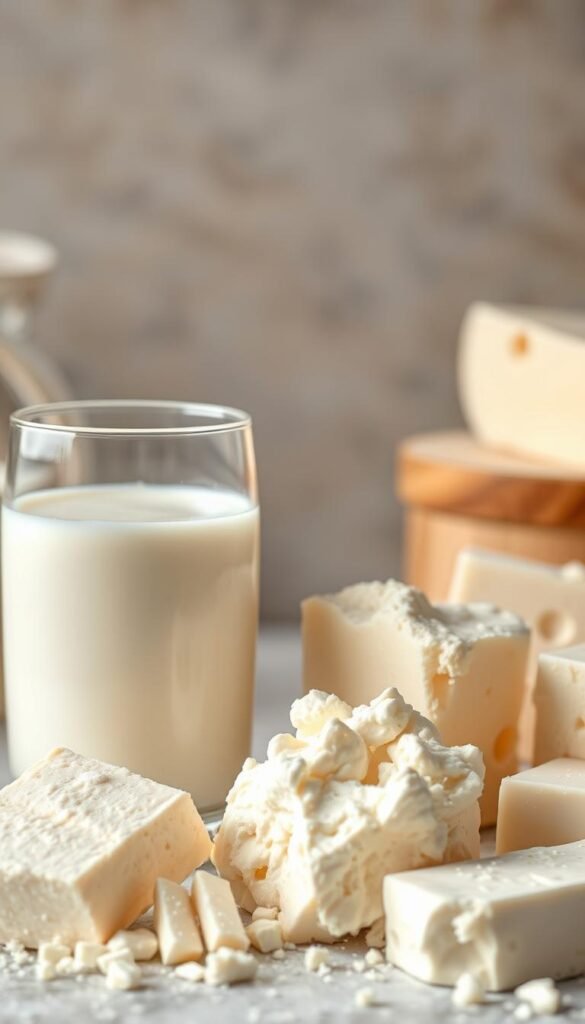
Low-fat milk: calcium, vitamin D, and muscle support
Low-fat milk offers calcium and vitamin D for stronger bones and muscle function. Use it in breakfast bowls or to thin smoothies for an easy protein lift.
Greek yogurt vs. traditional: protein density and live cultures
Greek yogurt has more protein than traditional yogurt and often includes live cultures. Cottage cheese is another high-protein, low-carb option you can spoon over fruit or blend into savory dips.
- Quick breakfast ideas: Greek yogurt bowl with berries, oatmeal made with milk, or cottage cheese blended into smoothies.
- Evidence on dairy and weight is mixed, but regular, portioned dairy can fit a balanced diet and support your weight goals when you track calories.
| Dairy | Main benefit | Best use |
|---|---|---|
| Low-fat milk | Calcium, vitamin D, moderate protein | Oatmeal, smoothies, cereal |
| Greek yogurt | Higher protein, probiotics | Breakfast bowls, sauces, snacks |
| Cottage cheese | High protein, low carbs | Smoothies, savory bowls, with fruit |
Soups and hydration: Low-calorie density wins
A clear vegetable soup can be a simple trick to feel fuller and naturally cut back on what you eat next. Start meals this way to lower total intake without feeling restricted. A 2007 study found clear veggie soup before a plate helps people eat less than when a creamy starter was served.
Broth-based vegetable soups before meals to manage intake
Broth-first starters
Begin with a light, veggie broth to add volume and flavor. Broth-based recipes with legumes, herbs, and lots of vegetables fill you for fewer calories.

Keep sodium low and avoid cream. Batch-cook and freeze single portions so a hydrating starter is always ready on busy nights.
Water first: simple timing tips to support your day
Drink a glass of water when you wake and another before meals. Hydration can briefly boost metabolism and helps your body register fullness.
- Use cucumbers, broth soups, and high-water vegetables to make plates larger but lighter.
- These small moves support steady weight loss by lowering meal calorie and overall intake.
Metabolism-friendly spices and sips
A few spices and warm drinks offer gentle boosts to how your body uses energy. These flavors add interest and may give small metabolic perks when you pair them with a solid diet and consistent protein and fiber intake.
Chili peppers and capsaicin
Capsaicin in jalapeños and chili peppers raises internal temperature briefly and can nudge calorie burn. The effect is modest, so use peppers for flavor and a small boost rather than expecting big weight changes.
Ginger and turmeric
Ginger has been linked in some research with modest weight loss in people with overweight. Turmeric’s curcumin fights inflammation and may help insulin sensitivity. Food-first uses — like ginger-turmeric roasted veggies — are practical and safe.
Green tea
Green tea supplies catechins plus caffeine that can slightly increase fat oxidation and calorie use in short-term studies. Enjoy it hot or iced as a daily sip to support energy and focus.
| Ingredient | Main action | Easy use |
|---|---|---|
| Capsaicin (chili) | Temp rise; small calorie burn | Sprinkle on fish, salsas, soups |
| Ginger / Turmeric | Digestion aid; anti-inflammatory | Stir into veggies, marinades, teas |
| Green tea | Catechins + caffeine; modest fat oxidation | Drink 1–3 cups daily, replace sugary drinks |
Conclusion
, Wrap up: Small, consistent food choices — like oats, beans, chicken, and colorful vegetables — add up to steady changes in weight and body fat.
Build meals from lean protein, high fiber items, and water-rich produce so you feel full and keep your energy stable without counting every calorie.
Use portion mindfulness for calorie-dense items such as nuts and avocado. Add weight training to raise muscle and help your metabolism over time.
Lean on spices, green tea, and broth-based starters for small perks that support appetite control and nutrition.
Bottom line: follow a balanced diet with these reliable sources and plan your day with satisfying plates. This practical way helps you lose weight and sustain loss while protecting vitamins and overall nutrition.