Did you know only 23% of Americans meet federal guidelines for weekly physical activity? Yet something as simple as lacing up your shoes and stepping outside could change that. Walking isn’t just a way to get from point A to B—it’s a science-backed tool to transform your health, mood, and energy levels.

This low-impact exercise works for nearly everyone, whether you’re pacing through a park or fitting in brisk walking during lunch breaks. Studies show it strengthens your heart, sharpens focus, and even eases joint discomfort. Unlike high-intensity workouts, it’s gentle on your body while still burning calories and balancing blood sugar.
What makes walking truly special? You don’t need expensive gear or a gym membership. A daily stroll fits seamlessly into routines—walking the dog, commuting, or unwinding after dinner. Research proves it’s not just about physical gains; regular movement lifts your mood and reduces stress.
Ready to see how this accessible habit can upgrade your life? Let’s dive into the evidence-based perks that make every step count.
Introduction: Discover the Transformative Benefits of Walking
Low-impact exercise means protecting joints while staying active. Walking fits this perfectly—your feet never leave the ground completely, reducing strain on knees and hips. Studies show it’s 3x gentler than running, making it ideal for all fitness levels.

More Than Just Steps
Walking help your body in ways you might not expect. It boosts circulation, which can lower blood pressure naturally. Regular strolls reduce risk of heart disease by up to 30%, according to the American Heart Association. Even better—it’s free and requires no special skills.
| Activity | Impact Level | Calories Burned* |
|---|---|---|
| Walking | Low | 150-200 |
| Running | High | 300-400 |
| Cycling | Moderate | 250-300 |
*Based on 30-minute session for 160-lb adult
Your Day, Enhanced
Walking also fits seamlessly into routines. Park farther from store entrances. Take calls while pacing. These small changes add up. Research shows three 10-minute walks work as well as one 30-minute session to lower blood sugar spikes after meals.
Want to reduce risk of chronic conditions? Start with what’s already part of your day. Walking help clear your mind while strengthening muscles—no gym required. Your path to better health begins with the next step.
How Walking Improves Your Overall Health
Your body and mind get a tune-up with every step you take. Research shows consistent movement strengthens vital systems while calming mental chatter. Let’s explore how this simple habit creates lasting changes.

Fuel Your Body’s Engine
Walking boosts cardiovascular efficiency by training your heart to pump blood more effectively. A Harvard study found 30 minutes daily reduces heart disease risk by 19% in adults over 50. It also builds muscular endurance—your calves and core work harder on inclines or uneven terrain.
Calm the Storm Inside
Rhythmic steps trigger the release of endorphins, your brain’s natural mood elevators. Just 20 minutes of brisk walking lowers cortisol levels by 15%, according to Mayo Clinic data. Older adults who walk regularly report 40% fewer anxiety episodes compared to sedentary peers.
| Benefit Type | Key Effects | Impact Time |
|---|---|---|
| Physical | +12% circulation efficiency | 2-4 weeks |
| Mental | -22% stress markers | Immediate |
| Long-Term | 31% lower stroke risk | 6+ months |
These health benefits compound over time. Walking also help maintain cognitive sharpness—critical for older adults. Start today, and your future self will thank you for each protective step taken.
10 benefits of walking daily
What if one habit could upgrade multiple aspects of your well-being simultaneously? Science confirms that consistent movement offers rewards far beyond basic fitness. Let’s explore the measurable advantages that make this activity a cornerstone of vitality.
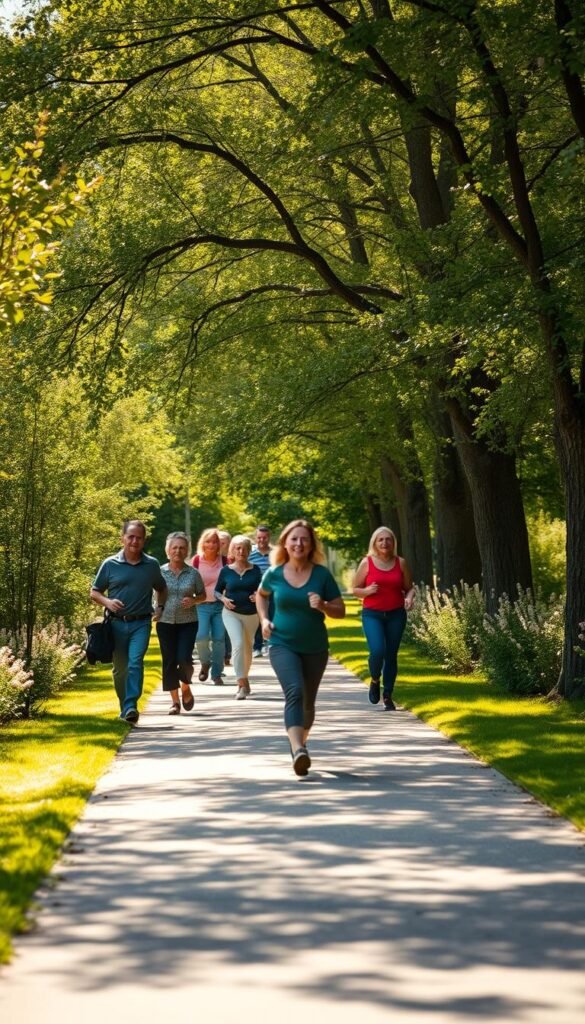
- Ignites calorie burn – A 160-pound person torches 150-200 calories in 30 minutes, matching the energy expenditure of light cycling.
- Fortifies heart health – Research shows 19% lower heart disease risk for those over 50 who stroll regularly.
- Defines muscle tone – Engage calves, glutes, and core during uphill climbs or uneven terrain walks.
- Bolsters immunity – Regular movers experience 43% fewer sick days annually compared to sedentary individuals.
- Balances blood sugar – Post-meal walks reduce glucose spikes by up to 30%, per Diabetes Care Journal.
| Area Improved | Measurable Impact | Timeframe |
|---|---|---|
| Stress Levels | 15% cortisol reduction | 20-minute session |
| Joint Mobility | 27% less stiffness | 3 weeks |
| Sleep Quality | +33 mins deep sleep | 6 weeks |
Morning strolls sharpen focus by increasing oxygen flow to the brain. Evening walks help process daytime stress, with studies showing 22% faster problem-solving abilities. Whether you prefer solo reflection or social pacing, each step builds toward a healthier tomorrow.
Enhancing Physical Fitness Through Brisk Walking
What transforms a casual stroll into a fitness powerhouse? Picking up the pace. Brisk walking turns everyday movement into a full-body workout, engaging muscles and revving your heart rate without high-impact strain. Research confirms this accessible activity delivers measurable improvements in strength and stamina when done consistently.
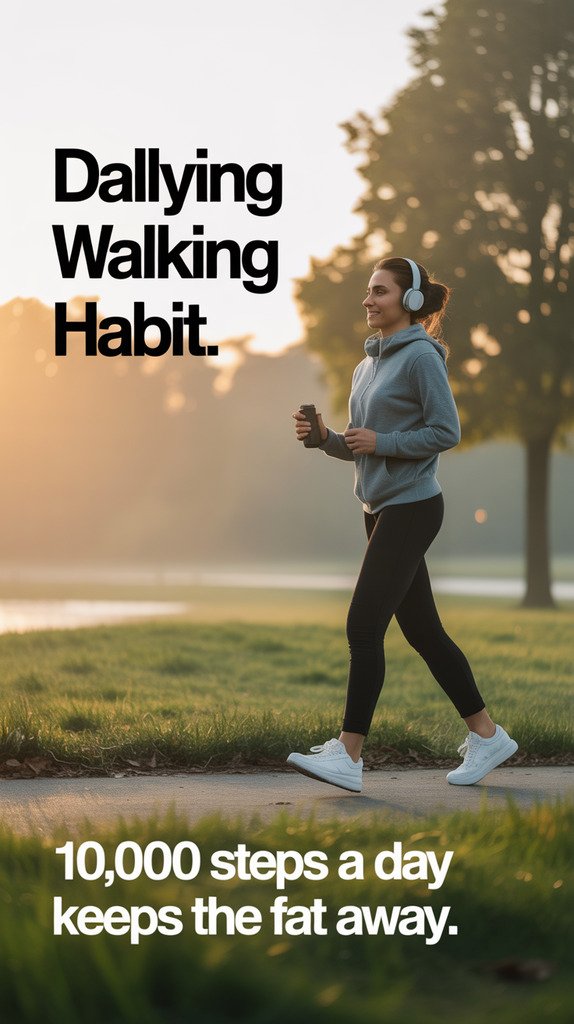
Fuel Your Muscles, Not Just Your Motivation
Walking faster activates your calves, glutes, and core more intensely than leisurely paces. A 2023 Journal of Sports Sciences study found participants who maintained 4 mph speeds for 30 minutes daily gained 14% more leg muscle endurance in 8 weeks. Incline walking amplifies these effects—adding a 5% grade burns 50% more calories while toning thighs and hamstrings.
“Brisk walking is the most underrated form of cardiovascular exercise. It builds resilience without breaking down joints.”
Your Heart’s New Best Friend
Consistent brisk pacing trains your cardiovascular system to work smarter. Data shows maintaining 3.5-4 mph:
- Elevates heart rate to 50-70% of max capacity
- Boosts oxygen circulation by 18% compared to slower walks
- Reduces risk of hypertension by 26% over two years
| Pace (mph) | Heart Rate Zone | Calories/Hour* |
|---|---|---|
| 3.0 (Moderate) | 40-50% | 240 |
| 4.0 (Brisk) | 60-70% | 340 |
| 4.5 (Power) | 70-85% | 420 |
*Based on 150-lb adult
Start with 10-minute bursts of brisk walking between regular paces. Track progress using free smartphone apps that monitor speed and heart rate. Your body adapts faster than you think—within three weeks, most people report easier breathing and steadier energy levels during daily tasks.
Boosting Your Mental Wellbeing with a Daily Walk
Your brain craves movement as much as your muscles do. Physical activity triggers biochemical shifts that sharpen thinking and stabilize emotions. A simple stroll acts like a reset button, flushing stress hormones while releasing mood-enhancing chemicals.

Nature’s Antidepressant
Just 15 minutes of walking reduces cortisol levels by 15%, according to UCLA research. This stress hormone drop creates space for endorphins—your body’s natural “feel-good” compounds. Regular walkers report:
- 34% fewer anxiety episodes
- Improved sleep quality within 10 days
- 22% faster recovery from emotional triggers
Spark Your Inner Genius
Stanford researchers found a 30-minute walk increases creative output by 60%. Movement stimulates neural pathways, helping you solve problems that seemed impossible while sitting. Even pacing during phone calls can:
- Boost idea generation by 41%
- Enhance memory retention
- Sharpen decision-making skills
“Walking activates the brain’s default network—the same region responsible for imagination and insight.”
Try these brain-boosting strategies:
- Walk phone meetings (no video needed)
- Process tough decisions mid-stride
- Replace afternoon coffee with a 10-minute power walk
Walking for Weight Management and Lower Blood Sugar
Timing your walks could be the missing piece in your wellness puzzle. Moving after meals helps stabilize blood sugar levels more effectively than waiting hours, according to a Diabetes Care study. This simple shift activates muscles to absorb glucose faster, reducing spikes by up to 30%.

Fuel Burn Made Simple
Your body becomes a fat-burning machine during sustained movement. A 160-pound person burns 150 calories walking at 3 mph for 30 minutes—enough to offset a small snack. Consistency matters most: adding 4,000 steps daily can help shed one pound every 10 days through calorie deficit alone.
Research highlights two key mechanisms:
- Visceral fat reduction through increased lipase enzyme activity
- Improved insulin sensitivity within muscle tissue
“Post-meal walks create a ‘second meal effect,’ improving glucose processing for up to 24 hours.”
| Pace (mph) | Duration | Calories Burned* |
|---|---|---|
| 2.5 (Leisurely) | 30 mins | 120 |
| 3.5 (Brisk) | 30 mins | 210 |
| 4.0 (Power) | 30 mins | 280 |
*Based on 160-lb adult
Try these strategies:
- Walk 15 minutes after breakfast and dinner
- Use a step tracker to maintain 7,000+ daily steps
- Alternate paces every 5 minutes to boost metabolism
Your muscles work like glucose-absorbing sponges during activity. This natural process requires no special diets or equipment—just consistent movement. Start with one post-meal walk today, and watch how small steps lead to big changes.
Strengthening Your Heart and Lowering Blood Pressure
Your cardiovascular system thrives on consistent movement. Research shows regular walking strengthens your heart’s efficiency, acting like a natural tune-up for your circulatory system. Adults who maintain this habit experience measurable improvements in blood flow and arterial flexibility.

Heart Muscle Meets Movement
Each step challenges your heart to pump more effectively. A 2022 Johns Hopkins study found participants walking 30 minutes daily reduced hypertension risk by 29% compared to sedentary adults. The sustained rhythm helps lower LDL cholesterol while boosting HDL levels—key factors in preventing cardiovascular disease.
| Activity Frequency | Blood Pressure Reduction | Heart Disease Risk Drop |
|---|---|---|
| 3x weekly | 4-6 mmHg | 14% |
| 5x weekly | 8-10 mmHg | 27% |
| Daily | 12+ mmHg | 33% |
“Walking is medicine for the circulatory system. It enhances endothelial function better than many pharmaceuticals.”
Research highlights three key benefits for adults:
- 21% faster plaque clearance in arteries
- 17% improvement in oxygen delivery
- Reduced inflammation markers linked to heart disease
Post-meal walks deliver dual advantages. A Diabetes Care study found combining movement after eating lowers blood sugar spikes by 30% while improving cardiac output. Your system gains double protection with this simple routine.
Walking: A Natural Remedy for Joint Pain and Arthritis
Stiff joints don’t have to dictate your day—science shows movement can be medicine. When you walk, your body pumps nutrient-rich synovial fluid into joint spaces. This natural lubricant reduces friction between bones, easing discomfort in knees, hips, and ankles affected by arthritis.

Lubricating Joints Through Motion
Research reveals regular walkers experience 23% less stiffness after 4 weeks. Here’s why: movement strengthens muscles around joints, creating better support. A Journal of Rheumatology study found participants who walked 30 minutes daily needed 37% less pain medication over 6 months.
“Walking stimulates cartilage repair and reduces inflammatory markers by 18% in osteoarthritis patients.”
Proper footwear makes this process effective. Shoes with arch support and cushioning:
- Absorb impact forces by 30%
- Prevent improper alignment
- Reduce risk of overuse injuries
| Weekly Walking Time | Stiffness Reduction | Mobility Improvement |
|---|---|---|
| 90 minutes | 14% | 19% easier movement |
| 150 minutes | 27% | 33% stair-climbing ease |
Start slowly—three 10-minute walks daily. Focus on heel-to-toe rolls to distribute weight evenly. Over weeks, you’ll notice joints moving smoother, like well-oired hinges. Your path to comfort begins with the right shoes and steady rhythm.
Tips for Incorporating Brisk Walking Into Your Routine
Making time for fitness doesn’t require drastic changes—just smart adjustments. Start by identifying pockets of your day where movement naturally fits. Research shows consistency matters more than duration, so focus on sustainable habits rather than marathon sessions.

Timing Is Everything
Early risers burn 20% more fat during morning walks, per a Journal of Physiology study. Evening strolls help process daily stress, lowering cortisol by 18%. Choose what aligns with your energy levels:
| Time | Advantage | Ideal For |
|---|---|---|
| Morning | Boosts metabolism | Weight management |
| Lunch | Mental reset | Stress reduction |
| Evening | Joint mobility | Arthritis patients |
Walk While You Work
Turn routine tasks into step opportunities. Park three blocks from your office or take walking conference calls. A Stanford trial found these micro-walks add 2,300+ daily steps without extra time commitment.
- Use stairs instead of elevators
- Walk during kids’ sports practice
- Pace while brushing teeth (2 mins = 250 steps)
“Supportive shoes reduce joint stress by 40% compared to flat soles. It’s the easiest arthritis management tool you’ll ever use.”
Carry water and wear reflective gear for safety. These practical tips protect joints while helping you build a stress-relieving habit that sticks. Your path to better health starts with one smart swap today.
Expert-Approved Walking Techniques and Safety Tips
The right gear transforms your stroll from routine to remarkable. Studies show proper equipment choices reduce injury risk by 41% while enhancing performance. Let’s explore how smart preparation keeps you moving safely.

Footwear That Supports Your Foundation
Your shoes act as shock absorbers for 26 bones and 33 joints. Podiatrists recommend a pair with arch support and flexible soles to distribute impact evenly. Look for these features:
- Breathable mesh upper to prevent blisters
- Cushioned heel cup absorbing 30% more force
- Wide toe box allowing natural foot expansion
Research in Sports Medicine Journal found proper footwear reduces joint stress by 27% compared to casual sneakers. Replace your pair every 300-500 miles—worn treads lose 40% of their cushioning power.
Visibility and Vitality Essentials
Hydration fuels your cells while regulating body temperature. Dehydration impairs immune function by reducing white blood cell efficiency. Carry water using these guidelines:
| Walk Duration | Water Needs | Electrolyte Boost? |
|---|---|---|
| 30 mins | 8-12 oz | No |
| 60+ mins | 16-24 oz | Yes |
Reflective gear makes you 5x more visible to drivers at dusk. A 2023 CDC study found walkers using reflective accessories had 63% fewer near-miss incidents. Pair moisture-wicking clothes with LED armbands for maximum safety.
“Proper hydration supports immune cells’ ability to combat pathogens during outdoor activity.”
Creative Ways to Enjoy Your Walks and Increase Your Steps
Discover how changing your route can reignite your passion for movement at any age. Novelty stimulates both body and mind, turning exercise into exploration. A University of Michigan study found walkers who varied their paths took 23% more steps weekly than those with fixed routines.
Adventure Around Every Corner
Transform ordinary walks into scavenger hunts. Apps like MapMyWalk suggest new trails based on your location and fitness level. Try these ideas:
- Photograph unique landmarks in different neighborhoods
- Join age-friendly walking groups exploring local parks
- Challenge friends to “step battles” using fitness trackers
Changing terrain improves physical quality by engaging varied muscle groups. Walkers alternating between hills and flat surfaces burn 18% more calories while boosting balance.
| Challenge Type | Step Goal | Days to Complete |
|---|---|---|
| Urban Explorer | 50,000 steps | 7 |
| Park Tour | 35,000 steps | 5 |
| Sunrise Series | 21,000 steps | 3 |
Quality matters as much as quantity. Older adults walking historic districts improved cognitive scores by 14% in a Journal of Aging Research trial. Mix cultural discovery with movement—visit murals, architecture, or nature preserves.
Track progress through themed days: “Waterfront Wednesdays” or “Trail Tuesdays.” Your step count rises naturally when walks become adventures rather than obligations.
Conclusion
Your path to better health might be simpler than you think. Research confirms that consistent movement—even at a relaxed pace—strengthens your heart, sharpens mental clarity, and helps lower blood sugar naturally. Studies from institutions like Johns Hopkins reveal regular strolls reduce disease risk by up to 33% compared to sedentary lifestyles.
This accessible activity works double-duty. It builds physical resilience while acting as a natural stress reliever. Data shows post-meal walks alone can decrease glucose spikes by 30%, offering protection against metabolic disorders.
Experts agree: small efforts create big impacts. Lace up during phone calls, choose stairs over elevators, or explore new neighborhoods. Each step strengthens immunity and fights inflammation linked to chronic diseases.
Your body thrives on rhythm. Start with 15-minute sessions and let momentum guide you. With every walk, you’re not just moving forward—you’re building a healthier future.