About 60% of Americans have chronic inflammation without knowing it. This silent issue makes losing weight hard and harms your health over time. Inflammation and extra weight are linked, making it hard to lose weight with regular diets.
A 7-day anti-inflammatory meal plan targets the main cause of hard-to-lose weight. It’s not like fad diets that make you hungry. Instead, you’ll eat foods your body loves and uses well. You’ll enjoy meals that lower inflammation and help you lose fat steadily.
This 7-day plan is different from counting calories. You’ll choose foods that heal your body, not just cut calories. You’ll feel better, have more energy, and lose weight without feeling hungry or moody.
Chronic inflammation is linked to serious health issues like type 2 diabetes and heart disease. Eating the right foods can help your body lose weight naturally. This 7-day plan shows you how to fight inflammation and lose weight for good.
This isn’t just a quick fix. It’s about changing your life for the better. Over seven days, you’ll learn which foods help and which hurt. You’ll make meals that taste great and help you reach your health goals.
Understanding Inflammation and Its Impact on Weight Management
Weight loss isn’t just about calories. Inflammation plays a big role in how your body stores fat and burns calories. If your body is always inflamed, losing weight is hard. Knowing this helps you pick the right diet plan.
Inflammation messes with your hormones, gut health, and energy. It changes how your body uses calories and stores fat. Many people can’t lose weight because they ignore their body’s inflammation. An anti-inflammatory diet tackles the problem at its source.
What Is Chronic Inflammation and How It Affects Your Body
Acute inflammation helps your body heal and fight off infections. It’s good and needed.
But chronic inflammation lasts for a long time. It harms healthy cells and keeps your immune system on high alert. This can damage tissues and organs.
Chronic inflammation raises levels of inflammatory markers like C-reactive protein. These markers are linked to metabolic issues and weight gain, thanks to excess body fat.
The Connection Between Metaflammation and Weight Gain
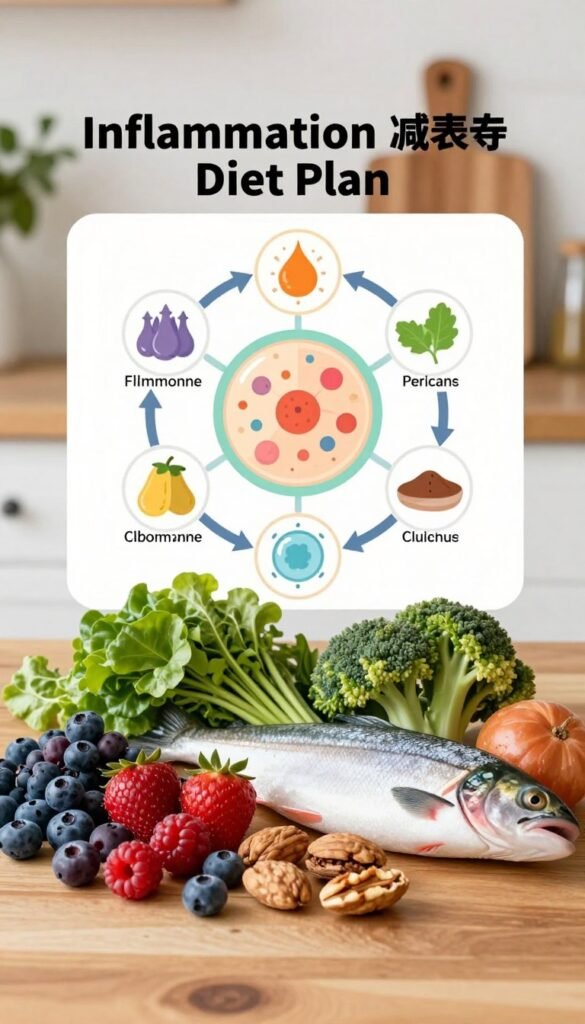
Metaflammation is long-term, low-grade inflammation all over your body. You might not feel sick, but it’s silently damaging. Bad diet choices start this process.
Here’s how it works: unhealthy foods cause inflammation, which leads to insulin resistance. This makes losing weight hard. Your body can’t control blood sugar and fat storage well. Excess fat produces compounds that slow down your metabolism, trapping you in being overweight.
Western diets are big contributors to metaflammation. Foods like processed meats, saturated fats, refined sugars, and white flour are bad. They cause blood sugar spikes and insulin resistance, leading to weight gain.
| Dietary Pattern | Inflammatory Response | Weight Impact |
|---|---|---|
| High processed foods, refined sugars | Rapid inflammation increase | Rapid weight gain, insulin resistance |
| Saturated fats, processed meats | Sustained low-grade inflammation | Visceral fat accumulation |
| Low fiber, nutrient-poor options | Gut dysbiosis inflammation | Metabolic dysfunction |
| High glycemic load foods | Blood sugar inflammation spikes | Fat storage in organs |
The Role of Anti-Inflammatory Foods in Natural Fat Loss
An anti-inflammatory diet uses foods to calm inflammation and boost your metabolism. These foods have phytochemicals, antioxidants, and fiber that reduce cellular stress and inflammation signals.
Anti-inflammatory foods also help your gut health. A healthy gut reduces body-wide inflammation. These foods slow digestion, preventing blood sugar spikes that lead to insulin resistance and fat storage.
Following an anti-inflammatory diet plan changes your fat cells. It reduces inflammatory compounds. Your body becomes better at burning calories. Losing weight becomes easier because your metabolism works for you, not against you. This natural approach explains why previous diets failed.
Core Principles of an Anti-Inflammatory Diet for Weight Loss
An anti-inflammatory diet is different from usual diets. It doesn’t count calories or cut out food groups. Instead, it focuses on eating foods that lower body inflammation. Your diet should include whole plants, healthy fats, and foods with little processing.
The diet’s base is on food variety and quality. You’ll eat many fruits, veggies, whole grains, legumes, nuts, seeds, and herbs. Eating a variety of these foods helps your body fight off sickness better. It also boosts your metabolism.
Choosing foods that are closer to their natural state is key. A plain baked sweet potato is better than sweet potato chips. Your body uses whole foods better, helping you feel full and improving insulin sensitivity.
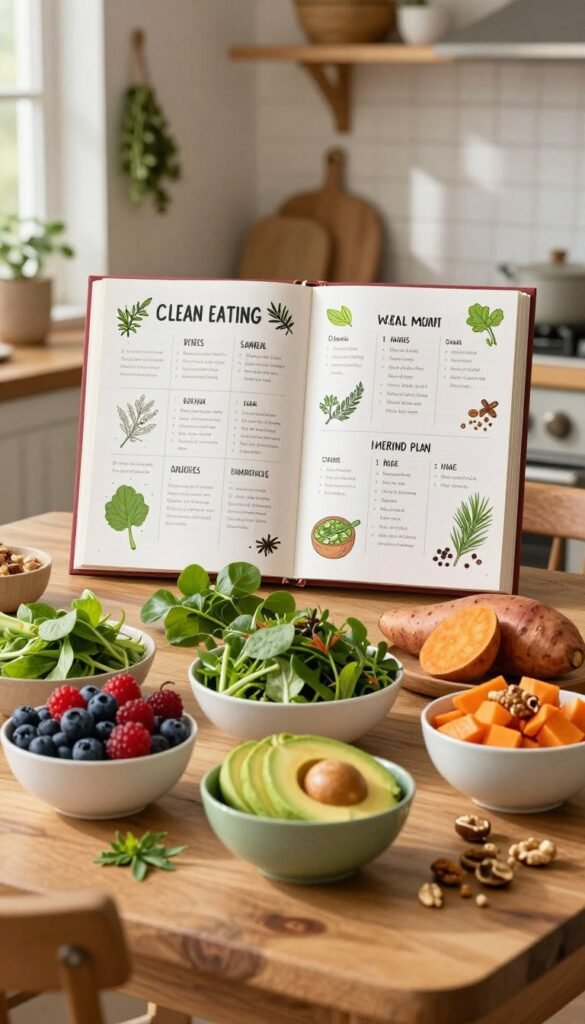
This diet also focuses on foods rich in omega-3s like salmon and walnuts. Use extra virgin olive oil and spices like turmeric and ginger. It’s not about being perfect. Just making better choices over time helps.
| Core Principle | Focus Areas | Expected Benefits |
|---|---|---|
| Food Variety | Multiple fruits, vegetables, grains, legumes | Diverse protective compounds work synergistically |
| Whole Foods | Minimal processing, natural forms | Better nutrient absorption and satiety |
| Healthy Fats | Omega-3 sources, olive oil, nuts, seeds | Improved inflammation markers and metabolism |
| Herbs and Spices | Turmeric, ginger, cinnamon, garlic | Enhanced anti-inflammatory effects |
| Limited Processing | Avoid added sugars, refined products | Reduced metabolic dysfunction and weight loss |
The Mediterranean and DASH diets follow these principles well. They focus on whole grains, legumes, fish, and lots of veggies. They also limit processed foods and added sugars. Your diet can learn from these diets.
This way of eating helps you lose weight by lowering inflammation. Less inflammation means better insulin sensitivity and healthier gut bacteria. You’ll also feel full from eating foods that are good for you.
7-Day Anti-Inflammatory Meal Plan for Natural Weight Loss
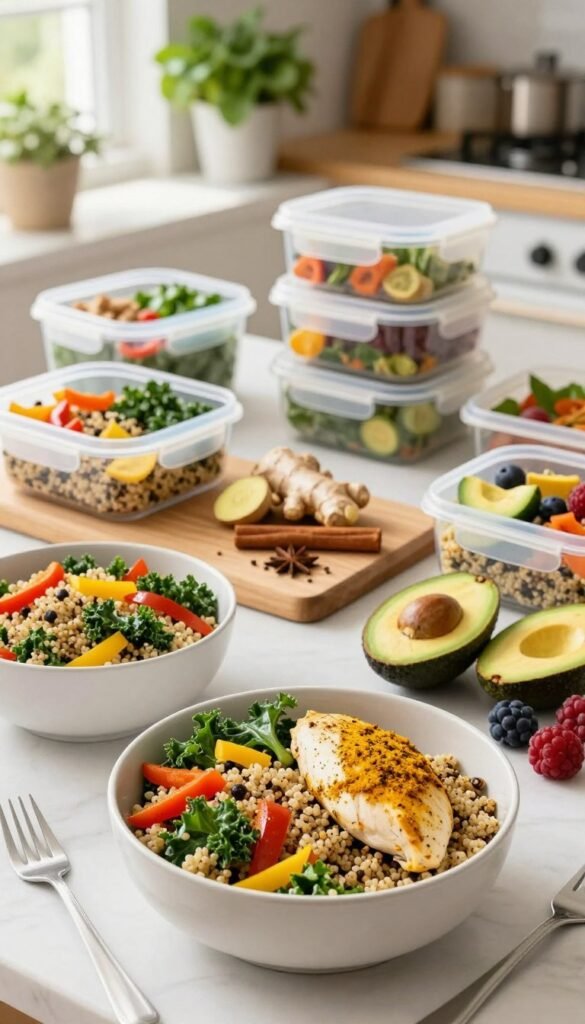
Starting a natural fat loss meal prep means knowing how to plan your week. Your meals should include whole foods that fight inflammation and keep you full. This seven-day plan shows you what to eat for the best results.
Day One Through Three: Building Your Foundation
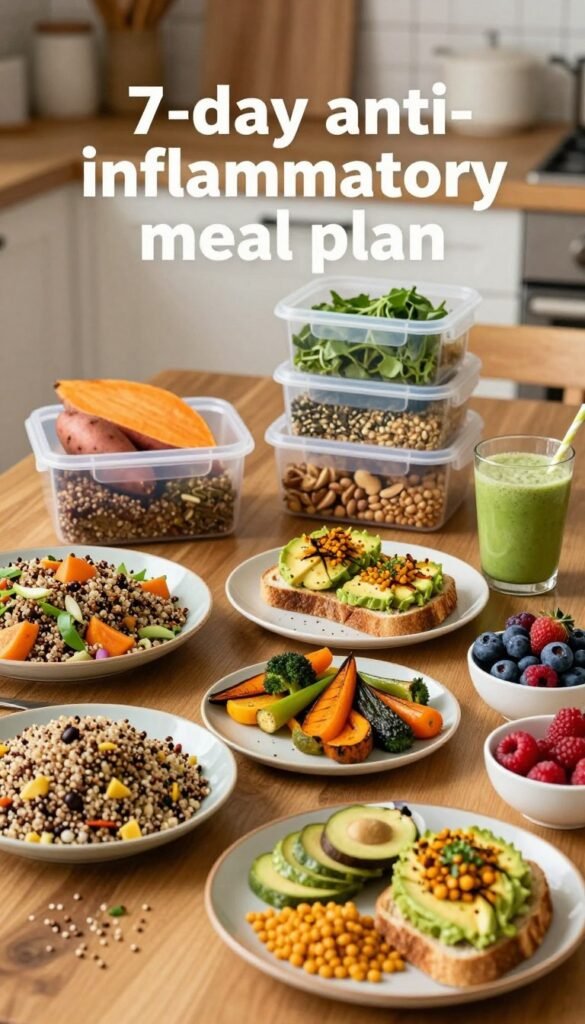
The first three days lay the groundwork for natural fat loss. Day One starts with a kefir bowl topped with blueberries and coconut flakes for breakfast. Lunch is sweet potato and avocado on whole grain bread. Dinner is grilled salmon with zucchini skewers and a cucumber dill sauce.
Day Two brings overnight oats with cherries for breakfast. Lunch is shrimp and avocado lettuce wraps with herbs and lemon. Dinner is a cauliflower pizza bake that’s tasty but doesn’t cause inflammation.
Day Three adds raspberry chia pudding for breakfast. Lunch is a coconut basil chicken bowl. Dinner is a quick chicken stir-fry with broccoli and bok choy. These meals introduce anti-inflammatory foods and boost your confidence.
Day Four Through Seven: Sustaining Your Progress
Days Four to Seven keep you moving forward. Day Four starts with a plum, almond, and yogurt parfait for breakfast. Lunch is a Cobb egg salad. Dinner is fish tacos with red cabbage slaw.
Day Five begins with an acai, cherry, and kale smoothie. Lunch is whole wheat pasta salad with chicken and spinach. Dinner is grilled steak with roasted butternut squash and salad.
Day Six has an egg scramble with savory seasoning for breakfast. Lunch is a turkey breast sandwich on whole wheat with hummus and veggies. Dinner is autumn-inspired chicken thighs with apples and roasted root vegetables.
Day Seven ends with warm fruit salad and almonds for breakfast. Lunch is an avocado, tomato, and corn chickpea salad. Dinner is almond-crusted trout with Brussels sprout slaw.
Portion Control and the Plate Method for Optimal Results
The plate method makes portion control easy. Fill half your plate with non-starchy veggies like broccoli and leafy greens. Use one quarter for lean protein like salmon or chicken. The last quarter is for complex carbs like sweet potatoes.
| Meal Component | Portion Size | Examples |
|---|---|---|
| Non-Starchy Vegetables | Half your plate | Broccoli, spinach, cucumber, bell peppers |
| Lean Protein | One quarter plate | Salmon, chicken breast, eggs, shrimp |
| Complex Carbohydrates | One quarter plate | Sweet potato, brown rice, whole wheat bread |
| Healthy Fats | One thumb-sized serving | Avocado, olive oil, nuts, seeds |
This method ensures balanced nutrition without counting calories too much. Drink water all day and enjoy herbal teas like turmeric lattes or hibiscus tea between meals.
Essential Anti-Inflammatory Foods to Include in Your Weekly Menu
Creating a whole foods meal schedule is key. It means choosing foods that fight inflammation naturally. Your body reacts to what you eat, and the right choices can help you lose weight and feel more energetic.
Colorful produce, healthy fats, and spices are your allies. They help make meals that heal, not harm.
Antioxidant-Rich Fruits and Vegetables for Inflammation Reduction
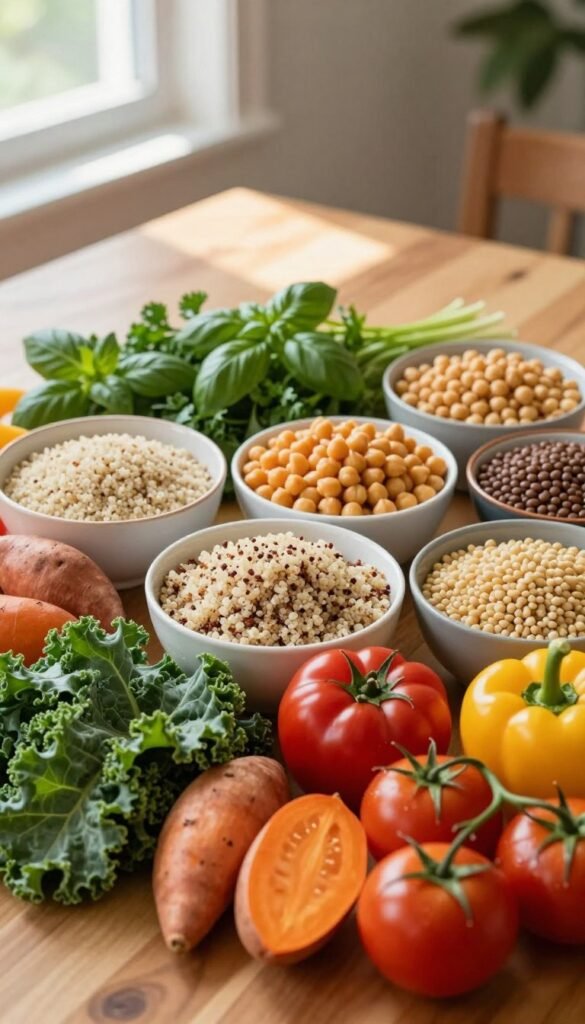
Eating the rainbow is a smart move against inflammation. Red foods like berries, tomatoes, and beets are full of anthocyanins and lycopene. Orange foods like carrots, sweet potatoes, and pumpkin have beta-carotene.
Yellow and green veggies contain lutein and glucosinolates. Blue and purple foods, like blueberries and grapes, have resveratrol. Each color has its own benefits.
Strawberries, bell peppers, and broccoli are rich in vitamin C. Nuts, seeds, and avocados have vitamin E. Brazil nuts are a good source of selenium. These antioxidants work together to lower inflammation in your blood.
| Color Group | Top Foods | Key Compounds | Inflammation-Fighting Benefits |
|---|---|---|---|
| Red | Tomatoes, cherries, beets | Anthocyanins, lycopene | Reduces markers of inflammation |
| Orange | Carrots, sweet potato, mango | Beta-carotene, carotenoids | Supports immune function |
| Yellow/Green | Corn, peppers, spinach | Lutein, zeaxanthin | Protects cellular health |
| Green | Broccoli, kale, Brussels sprouts | Glucosinolates, chlorophyll | Detoxifies harmful compounds |
| Blue/Purple | Blueberries, grapes, eggplant | Anthocyanins, resveratrol | Protects brain and heart health |
Omega-3 Fatty Acids and Healthy Fats for Natural Weight Management
Healthy fats are good for you. Omega-3 fatty acids reduce inflammation and keep you full. Salmon, mackerel, sardines, and herring are great sources. Plant-based options like walnuts, flaxseeds, chia seeds, and hemp seeds work too.
Monounsaturated fats from avocados, extra virgin olive oil, and nuts are perfect for your meal plan. They help your body absorb vitamins from veggies. They also stabilize blood sugar and reduce cravings, helping with weight loss.
Herbs, Spices, and Phytonutrients That Fight Inflammation
Season your meals with turmeric, ginger, rosemary, cinnamon, oregano, and cayenne pepper. They’re not just for flavor—they’re anti-inflammatory powerhouses. Turmeric has curcumin, which studies show reduces inflammation. Ginger has gingerol compounds that ease swelling.
Garlic and onions add allicin, a compound that fights inflammation. Green tea and dark chocolate with at least 70 percent cocoa have catechins and polyphenols. Adding these to your meals makes them healing and supports your weight loss goals.
Foods to Avoid During Your Anti-Inflammatory Weight Loss Journey
Knowing which foods to avoid is key to successful weight management. Some foods can trigger inflammation, making weight loss harder. By understanding what to avoid, you can make anti-inflammatory recipes that support your health.

Sweetened Beverages and Refined Carbohydrates
Sugary drinks like soda and sweetened juice drinks are bad. A 12-ounce can of soda has 39 grams of sugar. This is way more than the daily limit set by the American Heart Association.
Refined carbs like white bread and rice also cause problems. They are quickly digested, leading to inflammation. Switching to whole-grain options is a better choice.
Problematic Fats and Processed Meats
Fried foods and processed meats like bacon are bad. They contain unhealthy fats and preservatives that cause inflammation. Eating too much of these foods can increase disease risk.
Too much saturated fat from dairy and fatty meats is also bad. Limit animal protein to 6-8 ounces a day. Oils high in omega-6 fats can also cause inflammation if not balanced with omega-3 fats.
Additional Foods to Minimize
| Food Category | Why to Avoid | Better Alternatives |
|---|---|---|
| Charred Grilled Meat | Creates inflammatory compounds called AGEs | Poach, steam, or bake proteins gently |
| Excess Alcohol | Disrupts gut bacteria and damages intestinal barrier | Herbal teas and water |
| Processed Foods with Long Ingredient Lists | Contains enriched white flour and hydrogenated oils | Whole foods with recognizable ingredients |
Charred grilled meats create harmful compounds that fuel inflammation. Too much alcohol harms your gut bacteria and intestinal barrier. Processed foods with long ingredient lists are also bad.
Reading food labels helps you spot hidden sugars and oils. Avoiding these foods is key to your anti-inflammatory weight loss journey.
Practical Cooking Tips and Lifestyle Strategies for Success
To make your clean eating seven day program work, you need more than just food knowledge. You must find ways to fit healthy habits into your daily life. Success comes from using smart cooking methods and habits that help your body fight inflammation. This section offers real tools to change your kitchen and lifestyle.
Inflammation-Reducing Cooking Methods and Meal Preparation
Your cooking methods are as important as your ingredients. Heating oils and fats too high can make harmful compounds that increase inflammation. Try cooking with vegetable broth or water instead. This keeps your meals healthy while keeping them tasty.
Use extra virgin olive oil on low to medium heat. Never let it smoke, as smoking means it’s breaking down and creating harmful substances. When grilling meats, marinate them first in olive oil mixed with herbs like turmeric, ginger, and rosemary. This can reduce harmful compounds by up to 50 percent. Grill on lower heat and flip foods often to prevent charring.
Make your own salad dressings and marinades using olive oil, vinegar, lemon juice, and fresh herbs. Store-bought versions often have soybean oil and added sugars that go against your clean eating goals. Cooking with garlic and onions adds antioxidants to every meal. Take time to prepare meals from whole ingredients instead of buying pre-made foods. Eat slowly and mindfully instead of rushing through meals while distracted.

Supporting Your Diet with Exercise, Sleep, and Stress Management
Your clean eating seven day program works best with other healthy habits. Exercise reduces inflammation markers in your body. You don’t need intense workouts. Just 30 minutes of brisk walking most days gives real anti-inflammatory benefits and helps burn fat naturally.
Sleep is key for weight loss and reducing inflammation. Lack of sleep makes your body produce more hunger hormone and less fullness hormone. It also messes with how your body handles blood sugar. Try going to bed at the same time each night and keep your bedroom cool and dark.
Chronic stress triggers hormones like cortisol that increase inflammation and cause belly fat storage. Practice deep breathing exercises, meditation, or yoga to calm your nervous system. Spending time in nature and connecting with friends also helps reduce stress. These lifestyle choices support your clean eating program and help your body shed unwanted weight naturally.
| Lifestyle Factor | Anti-Inflammatory Benefit | Simple Action |
|---|---|---|
| Exercise | Reduces inflammatory markers and improves insulin sensitivity | 30 minutes of brisk walking most days |
| Sleep | Balances hunger hormones and improves metabolism | Maintain consistent bedtime and wake time daily |
| Stress Management | Lowers cortisol levels and reduces fat storage | Practice deep breathing or 10-minute meditation |
| Cooking Methods | Prevents formation of inflammatory compounds | Cook in broth instead of oil on medium heat |
| Mindful Eating | Improves digestion and supports satiety | Eat slowly without distractions at each meal |
Conclusion
You now have a complete roadmap for starting your natural detox meal plan for weight loss. This 7-day anti-inflammatory meal plan is key to reducing body inflammation and supporting weight loss. It focuses on colorful fruits and veggies, lean proteins, healthy fats, and whole grains.
These foods give your body what it needs to heal and lose weight. Remember, this meal plan is just the beginning. You can repeat it, swap recipes, or adjust portions to fit your life.
The real power is in understanding anti-inflammatory eating. Every choice you make, like choosing spinach over snacks, supports your health. A natural detox meal plan for weight loss is simple. Stay hydrated, eat regularly, and listen to your body’s fullness cues.
Your success is not just about food. Regular exercise, quality sleep, and managing stress also help. Even small changes can make a big difference in how you feel and look.
Be patient as you get used to new eating habits. Change takes time, and every step counts. Before starting, talk to your doctor or a registered dietitian. They can ensure this plan is right for you.
With the knowledge and tools you now have, you’re ready to start your journey. You’ll reduce inflammation, lose weight naturally, and achieve lasting health.