Do you get all the essential nutrients you need from food? In today’s fast world, it’s hard to keep up with good nutrition. Many Americans struggle with nutritional gaps that hurt their health.
Our busy lives make it tough to eat a balanced diet every day. Things like soil loss, food processing, and our schedules lead to vitamin and mineral shortages. That’s why nutritional support from supplements is key.

Choosing the right supplements can fill these gaps and boost your diet. They’re not a full replacement for food, but they help. Knowing which ones are best helps you make smart health choices.
This guide will show you five top supplements for different health needs. You’ll learn how they work, who they help, and how to use them safely.
Key Takeaways
- Nutritional gaps are common in American diets despite best efforts to eat well
- Evidence-based supplementation can effectively complement balanced eating habits
- The right vitamins and minerals help support specific health and wellness goals
- Quality matters when choosing products for optimal absorption and safety
- Understanding your individual needs helps you select the most beneficial options
- Supplements work best as part of an overall healthy lifestyle strategy
Why Dietary Supplements Matter for Your Health
In the United States, many people don’t get enough essential nutrients despite having plenty of food choices. Shelves are full of food, but millions of Americans are missing out on key nutrients. This shows a big gap between what food is available and what people actually eat.
Today’s food is not as nutritious as it used to be. Farming methods have made soil less rich, so fruits and veggies have fewer vitamins and minerals. Food processing and cooking methods also reduce nutrients.
Everyone’s nutritional needs are different. As you get older, your body absorbs nutrients less efficiently. Stress, dietary restrictions, and health conditions also affect your nutrient needs.

There’s a big gap between what experts say we should eat and what we actually do. Here’s a comparison of recommended daily amounts versus what people usually eat:
| Nutrient | Recommended Daily Amount | Average U.S. Consumption | Percentage Meeting Goals |
|---|---|---|---|
| Vitamin D | 600-800 IU | 204 IU | 32% |
| Calcium | 1,000-1,200 mg | 815 mg | 42% |
| Magnesium | 320-420 mg | 270 mg | 48% |
| Omega-3 Fatty Acids | 250-500 mg | 90 mg | 18% |
This data shows why dietary supplements for health are key for many people. Your body needs these nutrients for basic functions like fighting off infections and keeping your bones strong.
Not getting enough essential nutrients can weaken your immune system. It can also affect your mood and heart health. Low levels of omega-3 fatty acids can harm your brain and heart.
This old saying is true today. Dietary supplements for health can help fill nutritional gaps when food alone isn’t enough. They help keep your body at its best.
But remember, supplements are not a full replacement for a healthy diet. Whole foods give you fiber, vitamins, and minerals that supplements can’t match.
Here are some reasons you might need supplements:
- Following a restricted diet such as vegan, vegetarian, or allergen-free eating patterns
- Experiencing life stages with increased demands like pregnancy, breastfeeding, or advanced age
- Managing chronic health conditions that affect nutrient absorption
- Taking medications that deplete specific vitamins or minerals
- Living in regions with limited sun exposure affecting vitamin D production
Your health is linked to how well you eat. Getting enough nutrients helps you stay energized and focused. Without them, you might feel tired, get sick easily, or have trouble concentrating.
The goal is to be at your best health, not just avoid sickness. While severe deficiencies can cause serious diseases, small gaps can quietly harm your health. Supplements help keep your body performing at its best.
Choosing the right supplements starts with knowing your nutritional needs. Blood tests and dietary assessments can help. This way, you can pick supplements that fit your specific needs, not just generic ones.
Top 5 Supplements That Can Support Your Diet
Your body needs more than what you get from meals. Supplements help fill these gaps. They’re key when you can’t get enough nutrients from food.
These five supplements are backed by research. They help support your health in different ways.

1. Omega-3 Fatty Acids
Omega-3s are essential fats your body can’t make. They’re vital for heart health, brain function, and fighting inflammation.
EPA and DHA are the most important omega-3s. EPA helps your heart and fights inflammation. DHA is good for your brain and thinking skills.
Most people don’t get enough omega-3s. This is because they don’t eat enough fatty fish. If you don’t eat fatty fish often, taking supplements is a good idea.
The American Heart Association says people should eat fish at least twice a week. They recommend fatty fish for the best benefits.
Omega-3s are good for your heart and brain. They help with memory, focus, and may prevent cognitive decline as you age.
Recommended dosage: Experts suggest 250-500 mg of EPA and DHA daily. If you have heart issues, you might need more under a doctor’s care.
2. Vitamin D
About 42% of American adults lack vitamin D. This vitamin is important for more than just bones.
Your skin makes vitamin D when exposed to sunlight. But, many factors can limit this production. These include where you live, how much time you spend indoors, and your skin color.
Vitamin D supports three main areas:
- Bone health: It helps your body absorb calcium and keep bones strong
- Immune function: Vitamin D helps your immune system work right
- Mood regulation: It’s linked to better mood and less seasonal depression
You might need more vitamin D if you live in the north, have darker skin, or spend a lot of time inside. Older adults often have trouble making enough vitamin D.
Few foods have a lot of vitamin D. Some sources include fatty fish, egg yolks, and fortified dairy. But, it’s hard to get enough from food alone.
Recommended dosage: The Institute of Medicine says adults need 600-800 IU daily. Many doctors recommend 1,000-2,000 IU, more in winter.
Get Your Vit D From Amazon : Here
3. Probiotics
Probiotics add good bacteria to your gut. They help your digestive system and overall health. Probiotics are some of the most studied supplements today.
Your gut has trillions of bacteria. They affect digestion, nutrient absorption, and even your mood. This is because your gut and brain talk to each other.
Different probiotics offer different benefits:
- Lactobacillus strains: They help with digestion and may ease lactose intolerance
- Bifidobacterium strains: They boost your immune system and help with digestion
- Saccharomyces boulardii: It keeps your digestive system balanced, even when you’re on antibiotics
Probiotics are great if you have digestive issues, have taken antibiotics, or want to boost your immune system. Signs you might need probiotics include bloating, irregular digestion, and feeling tired all the time.
Foods like yogurt and sauerkraut have probiotics. But, supplements offer specific strains that target certain health problems.
Recommended dosage: Look for products with at least 1 billion CFUs. Many effective ones have 10-50 billion CFUs daily.
4. Protein Powder
Protein powder is a convenient way to get enough protein. It helps keep your muscles strong, aids in recovery, and keeps you full.
Protein is important for more than just building muscle. It helps make enzymes and hormones, keeps your hair and nails healthy, supports your immune system, and helps you keep muscle as you age.
Most adults need 0.8 to 1 gram of protein per kilogram of body weight daily. If you’re active or older, you might need more. It’s hard to get enough from food alone with a busy schedule.
There are many types of protein powder for different needs:
- Whey protein: It’s quickly absorbed and has all the amino acids you need, perfect after working out
- Casein protein: It’s digested slowly, giving you amino acids over time
- Plant-based proteins: Good for vegans, often a mix of pea, rice, and hemp proteins
- Collagen peptides: They’re good for your skin, joints, and bones
Protein powder is great for weight management. It helps you keep muscle when you’re eating fewer calories. It also makes you feel full. Athletes use it to recover and grow muscle.
Recommended dosage: One to two servings (20-40 grams of protein) daily can help supplement your diet without replacing whole foods.
| Supplement | Primary Benefits | Best For | Typical Daily Dosage |
|---|---|---|---|
| Omega-3 Fatty Acids | Heart health, brain function, inflammation reduction | Those not eating fatty fish regularly | 250-500 mg EPA+DHA |
| Vitamin D | Bone health, immune support, mood regulation | People with limited sun exposure | 1,000-2,000 IU |
| Probiotics | Digestive health, immune function, mental wellbeing | Those with digestive concerns or after antibiotics | 1-50 billion CFUs |
| Protein Powder | Muscle maintenance, appetite control, convenience | Active individuals and busy lifestyles | 20-40 grams protein |
These supplements help fill nutritional gaps in modern diets. They work well when used with a balanced diet. They support your health goals and enhance your nutrition.
Remember, supplements should not replace a varied diet. They should enhance what you’re already doing right. They help fill specific gaps, not be shortcuts.
How to Choose Quality Supplements for Your Needs
Not all supplements are the same. Knowing how to pick the best ones is key to your health and wallet. The supplement world has less rules than medicines, so you must choose wisely. Learning to spot the good from the bad helps you reach your wellness goals.
Every time you shop, you see many supplements. Some are what they say, but others might not be. Learning to check for quality through labels and certifications helps you spend your money wisely.

Understanding Third-Party Testing and Certifications
Third-party testing checks if supplements really have what they claim. These tests are done by groups not connected to the makers. They check for purity, potency, and quality without bias.
Look for USP (United States Pharmacopeia) when shopping. It ensures supplements have the right ingredients and are safe. It also checks for harmful stuff like heavy metals and pesticides.
NSF International has many tests for quality and safety. Their labels show if a supplement is safe and has only listed ingredients. They also test for banned substances for athletes.
ConsumerLab.com tests supplements on their own. They publish reports on quality. Their tests check if supplements really have what they say and if they’re clean.
Informed-Choice is for athletes and those worried about banned substances. It tests each batch for banned stuff. This gives extra peace of mind about purity.
Certifications like these are important. They show supplements are tested by others, not just the makers. While they cost a bit more, they save you from bad or useless supplements.
Reading and Interpreting Supplement Labels
The Supplement Facts panel is key to choosing supplements. It shows serving sizes, ingredient amounts, and daily values. Knowing how to read this helps you compare and find quality.
Look at the serving size carefully. Some makers use small sizes to seem cheaper. Calculate the cost per serving based on what you really need.
Percent Daily Values show nutrient amounts. They help you see if a supplement has enough of what you need. But, some nutrients don’t have values, so you might see an asterisk.
The ingredient list shows what’s in the supplement. Look for specific ingredient forms for better quality. For example, “magnesium glycinate” is better than just “magnesium.”
Watch for red flags that signal quality issues:
- Proprietary blends that hide ingredient amounts
- Unrealistic health claims
- Prices that seem too low
- Missing contact info or website details
- Artificial colors, flavors, or fillers
Bioavailability is how well your body uses nutrients. Good supplements use forms that are easy for your body to absorb. For example, methylcobalamin is better than cyanocobalamin for vitamin B12.
Compare labels by creating a simple system. Look for certifications first, then check ingredients and amounts. Watch for fillers, additives, and calculate costs based on real amounts, not claims.
Make sure labels have expiration dates and batch numbers. These show good manufacturing practices. Supplements without this info might not be well-made.
Storage tips and warnings are also important. Good makers give clear storage instructions. Warnings about allergens or interactions show they care about safety.
Understanding labels makes you a smarter shopper. You’ll spot fake claims and find real value in supplements. This knowledge helps you support your health goals.
When and How to Take Your Supplements Effectively
Your body absorbs nutrients in different ways. Timing is key to getting the most from your supplements. Whether you take them with food or on an empty stomach makes a big difference.
Being consistent is as important as timing. Your body gets into a rhythm with nutrient intake. Regular schedules help your body absorb and use supplements better.
Optimizing Supplement Timing for Maximum Absorption
Fat-soluble vitamins like A, D, E, and K need fat to be absorbed. Taking them with meals that have healthy fats boosts their effectiveness. Foods like avocado, nuts, or olive oil are great choices.
Water-soluble vitamins, such as B-complex and C, are different. Your body doesn’t store them for long. You can take them with or without food, but some people might feel stomach upset on an empty stomach.
Mineral supplements need careful timing to avoid competition. Calcium and iron should not be taken together. Space them at least two hours apart for better absorption.
Timing considerations for common supplements:
- Omega-3 fatty acids: Take with your largest meal to enhance absorption and reduce fishy aftertaste
- Probiotics: Consume 30 minutes before breakfast on an empty stomach for maximum survival through stomach acid
- Magnesium: Best taken in the evening as it promotes relaxation and may support better sleep
- B-complex vitamins: Morning intake provides energy support throughout your day
- Iron: Take on an empty stomach with vitamin C to boost absorption, but with food if nausea occurs
Weight management supplements work best when timed right. Some support metabolism before breakfast, while others help with satiety before meals. Always follow the label’s timing advice.
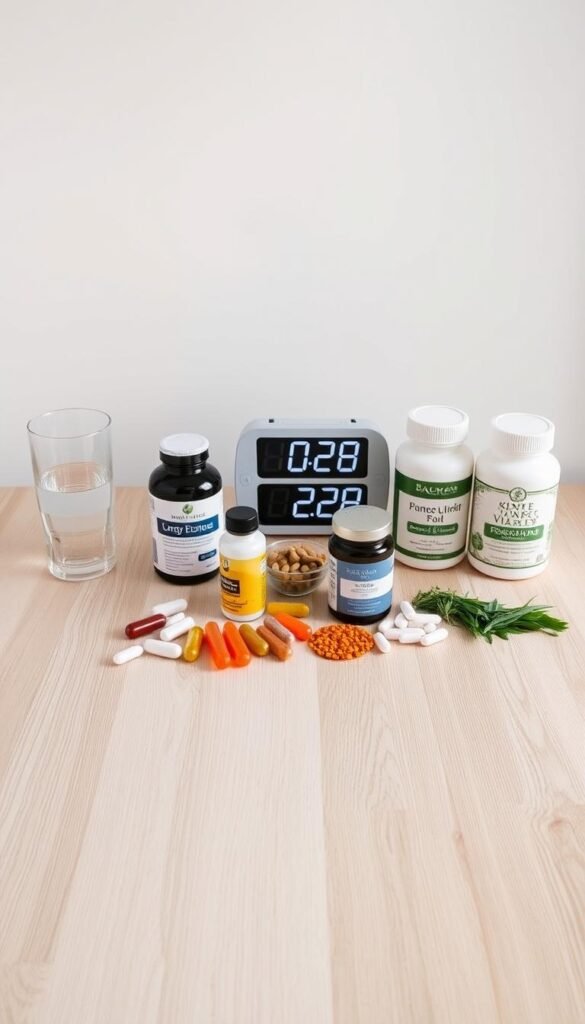
Protein powder timing depends on your fitness goals. Taking it post-workout helps with muscle recovery and growth. It can also be used as a meal replacement or snack to keep amino acid levels steady.
Creating a Safe and Effective Supplement Routine
Start with one or two supplements at a time. This gradual approach helps you see how your body reacts. You’ll find out which supplements work best and which might cause issues.
Keeping a supplement log turns guesswork into science. Record what you take, when, and any changes you notice. This info is helpful when talking to healthcare providers.
Your supplement log should include:
- Supplement name and dosage
- Time of day taken
- Whether consumed with food or on empty stomach
- Any positive effects noticed
- Any negative reactions or side effects
Make supplements part of your daily routine. Place morning supplements next to your coffee or toothbrush. Store evening ones near your bedtime routine. These cues help keep your routine consistent.
Pill organizers make daily dosing easy. Fill a weekly organizer each week. They have compartments for different times, making complex routines simple.
Smartphone reminders help when life gets busy. Set alarms for each supplement time. Some apps can track your adherence and send reminders.
Adjusting your routine during travel requires planning: Pack supplements in labeled containers, carry them in your carry-on, and set reminders for new time zones. Bring extra for travel delays. Consider timing changes due to flights or different meal patterns.
Consistency is key to seeing results. Regular nutrient intake keeps your body healthy. Missing doses now and then is okay, but being inconsistent prevents full benefits.
Review and adjust your routine every few months. Your needs change with seasons, stress, diet, and life events. What works in summer might need tweaking in winter. Stay flexible but keep a consistent, well-timed supplement routine.
Important Safety Considerations and Interactions
Before starting any supplement, it’s key to know the safety steps to avoid bad reactions. Supplements are great for health, but they’re not without risks.
Using the wrong supplements or mixing them with medicines can harm your health. Your body’s chemistry is complex, so adding new substances needs careful thought and expert advice.
Working with Your Healthcare Provider
Talking to your doctor or dietitian before starting new supplements is crucial for your safety. This is even more important if you’re looking at vitamins for weight loss or managing health issues.
Your healthcare provider needs all the details to give you the right advice. Tell them about all your medicines, including prescriptions, over-the-counter drugs, and supplements you’re already taking.
Also, share your medical history and health goals. This helps your provider spot risks and find the best supplements for you.
Blood tests can show real nutritional gaps instead of just guessing. Your doctor might order tests for vitamin D, iron, or omega-3 fatty acids to check your levels.
These tests help save money by avoiding unnecessary supplements. They also make sure you’re addressing real nutritional needs.
Regular check-ups are important when taking supplements for a long time. Your healthcare provider can schedule follow-ups and tests to track your progress and adjust dosages as needed.
Some supplements need blood tests to keep levels safe. This is true for fat-soluble vitamins like vitamin D, which can build up in your body over time.
Understanding Possible Side Effects and Drug Interactions
Supplements can interact with medicines, other drugs, and even other supplements in ways that might not work well or could be harmful. Knowing these interactions helps keep you safe and ensures your treatments work right.
Vitamin K can mess with blood thinners like warfarin, making them less effective and increasing clotting risk. If you’re on blood thinners, it’s important to keep vitamin K intake steady.
Calcium can cut down how well certain antibiotics work, like tetracycline and fluoroquinolones. To keep antibiotics effective, take calcium supplements at least two hours before or after.
St. John’s Wort can make your liver process medicines faster. This herb can make birth control pills, antidepressants, and blood pressure medicines less effective.
| Supplement | Medication Type | Potential Interaction | Recommendation |
|---|---|---|---|
| Vitamin K | Blood thinners (Warfarin) | Reduces medication effectiveness | Maintain consistent intake, monitor INR levels |
| Calcium | Antibiotics (Tetracycline) | Decreases antibiotic absorption | Separate dosing by 2-4 hours |
| Omega-3 | Anticoagulants | Increases bleeding risk | Inform surgeon before procedures |
| Vitamin D | Diuretics | May cause hypercalcemia | Monitor calcium levels regularly |
| Probiotics | Immunosuppressants | Risk of infection in immunocompromised | Consult doctor before use |
Each of the top five supplements has possible side effects you should know about. Omega-3 supplements can cause fishy burps, upset stomach, or increased bleeding in high doses.
Vitamin D toxicity is rare but serious, causing calcium buildup in your blood. Symptoms include nausea, weakness, and kidney problems from taking too much over time.
Probiotics might cause temporary gas and bloating as your body adjusts. People with weakened immune systems should avoid probiotics due to infection risk.
Protein powder can strain your kidneys if you have kidney disease. It may also cause stomach discomfort, mainly if you’re lactose intolerant and using whey-based products.
Some supplements are not safe for certain people or should be used with caution. Pregnant women need medical guidance before taking any supplements beyond prenatal vitamins, as some can harm fetal development.
Children need different dosages than adults, and some supplements aren’t good for young people. Always check with a pediatrician before giving supplements to children.
Megadosing—taking too much of vitamins and minerals—can lead to serious toxicity. Your body doesn’t need huge doses, and more isn’t always better with supplements.
The concept of tolerable upper intake levels sets the maximum safe daily amounts. Taking more than these limits increases the risk of adverse effects without extra benefits.
Fat-soluble vitamins (A, D, E, and K) are riskier because your body stores them in fatty tissue. Water-soluble vitamins like vitamin C are generally safer because excess amounts leave your body through urine.
Knowing these safety tips helps you use supplements wisely as part of your health plan. Making informed decisions with professional advice helps you get benefits while avoiding risks.
Conclusion
You now know how to choose the right supplements. Omega-3 fatty acids, Vitamin D, probiotics, and protein powder can help fill diet gaps. They work best when you also eat whole foods, fruits, vegetables, and lean proteins.
Success comes from picking high-quality products with third-party testing. Always read labels and know when to take each supplement. Talk to your healthcare provider to find out what you really need and to avoid any bad interactions with medicines.
Everyone’s nutritional needs are different, based on their lifestyle, health goals, and any missing nutrients. Testing can show what your body really needs. This way, you make sure you’re getting supplements that actually help you.
It’s more important to focus on quality than to take lots of different supplements. Start with one or two key supplements and add more slowly. Taking them regularly will give you better results than using many products on and off.
You can confidently support your nutrition and wellness goals with the right supplements. Take time to research, talk to professionals, and listen to how your body reacts. Your careful choices will improve your health journey.
For More Weight Loss Articles Click Here
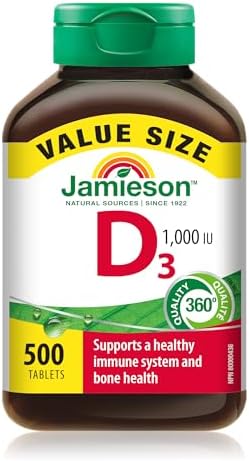
- IMMUNE SYSTEM SUPPORT: Vitamin D3 plays a vital role in enhancing immune function, helping your body stay strong every d…
- STRONG BONES & TEETH: Essential for the growth and maintenance of strong bones and teeth, especially when combined with …
- PREVENT VITAMIN D DEFICINCEY: It can be difficult to receive enough vitamin D from sunshine and diet alone. Supplement w…

- For Cognitive Health & Brain Function: NATURE’S BOUNTY Omega-3 Fish Oil 1200 mg helps support cognitive health and brain…
- Source of Omega-3 Fatty Acids: Source of omega-3 fatty acids EPA and DHA for the maintenance of good health
- Directions & Dosage: Adults, take one (1) softgel three times per day

- WOMEN’S GASTROINTESTINAL SUPPORT: A research-backed probiotic formula designed to support women’s unique gut microbiome
- DAILY PROBIOTIC SUPPLEMENT: This targeted women’s formula delivers 50 billion CFUs from 15 diverse probiotic strains for…
- TARGETED DELIVERY: Delayed-release capsules protect probiotics until they reach the intestine. No refrigeration needed, …