About 95% of people who follow generic diets gain back their weight in one to five years. This shows that one-size-fits-all diets don’t work for most.
Your body type is key to understanding why. It tells you about your natural metabolic state. This is important for how you eat and lose weight.
Not all bodies react the same to the same diets. Your friend might do well on a high-carb diet, while you need more protein and healthy fats. Both can be right for your body type. This is why personalized nutrition for weight loss is important.
Learning to eat for your body type is more than just counting calories. It’s about eating in harmony with your body’s natural ways. Your body type shows real differences in how you process carbs, store fat, and build muscle.

The secret to losing fat naturally is knowing your somatotype—ectomorph, mesomorph, or endomorph. Each needs different foods, meal times, and amounts of macronutrients. When you eat in a way that matches your body, you can lose weight without extreme diets.
Generic diets fail because they ignore these basic differences. Your body needs a diet made just for you. By learning to eat for your body type, you can lose fat naturally and keep it off.
Understanding the Three Main Body Types and Their Metabolic Differences
Your body type affects how you gain and lose weight. Scientists call these body types somatotypes. Knowing yours helps you choose better foods. The three main types—ectomorph, mesomorph, and endomorph—each have unique traits that affect how your body reacts to food and exercise.
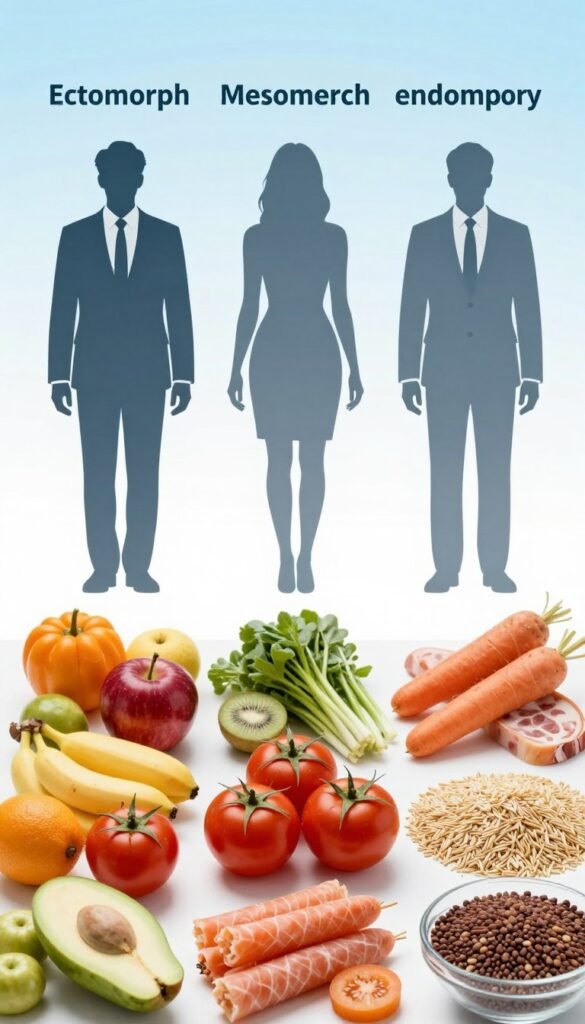
Your somatotype determines how fast you burn calories and build muscle. It also affects which foods are best for you. Different body types need different diets to succeed. So, eating for your body type is very important.
Ectomorph: The Naturally Lean Body Type
Ectomorphs have thin, long bodies with narrow shoulders. They struggle to gain weight because their metabolism is fast. Their bodies burn calories quickly, even when they’re not active.
This fast metabolism lets them eat more carbs without gaining fat. Ectomorphs need to eat more calories and carbs than others.
Mesomorph: The Athletic and Muscular Body Type
Mesomorphs have athletic builds with medium bone structure. Their metabolism works well with both training and nutrition. As a mesomorph, you should eat balanced macronutrients to support muscle growth and fat loss.
Mesomorphs build muscle easily and keep their physique with effort.
Endomorph: The Curvier Body Type
Endomorphs tend to have more body fat and curvier shapes. They store fat in their belly, hips, and thighs. Their metabolism is slower than the other types.
Endomorphs need to watch their carb intake carefully. Many deal with insulin sensitivity, making carb management key for fat loss.
| Body Type | Metabolism Speed | Build Muscle | Carbohydrate Tolerance | Fat Storage Pattern |
|---|---|---|---|---|
| Ectomorph | Very Fast | Challenging | High Tolerance | Minimal, throughout body |
| Mesomorph | Moderate | Easy | Good Tolerance | Balanced distribution |
| Endomorph | Slower | Moderate | Low Tolerance | Belly, hips, thighs |
Knowing these differences helps you see why eating for your body type is better than generic diets. Your body type needs a customized diet to work with your metabolism, not against it.
How to Eat for Your Body Type: The Secret to Natural Fat Loss
Knowing your body type helps you plan your diet better. Your diet plan should follow basic rules that fit all body types. Even though each type has its own needs, some eating tips help everyone lose fat naturally.
Protein is key in any diet plan. Your body uses energy to digest protein. This boosts your metabolism. Studies show people eating more protein eat fewer calories without feeling hungry.

Whole foods are the base for losing fat. They don’t have added sugars, extra fats, or chemicals. Whole foods keep you full, helping you stay within healthy calorie limits.
“Your body type diet plan succeeds when you combine basic nutrition principles with personalized adjustments for your metabolism.”
Processed foods are bad for your goals. They’re made to make you eat more. Choosing whole foods helps control your appetite and aids in steady weight loss.
| Protein Source | Calories per 100g | Protein Content |
|---|---|---|
| Chicken Breast | 165 | 31g |
| Salmon | 208 | 20g |
| Greek Yogurt | 59 | 10g |
| Eggs | 155 | 13g |
Your diet plan is best when you mix basic rules with tips for your metabolism. The next parts will show how to tailor your diet for each body type. This helps with lasting fat loss.
Identifying Your Body Type: Beyond the Basic Categories
Most people don’t fit into just one body type. Your body changes with life events, diet, and exercise. Understanding metabolic body type eating means seeing your true shape might be hidden.
Things like exercise, diet, pregnancy, and aging change your body. Stress and sleep also play a big role. These changes can hide your true body type.
This makes finding the right diet guide harder. You need to look beyond your current body. Understanding what shaped it is key to a good eating plan.

Hybrid Body Types Explained
Most people are hybrids, not pure types. A study found most adults are a mix of endomorph and mesomorph. This means they need a special diet that fits their mix.
There are three main hybrid types. Ecto-Mesomorphs are lean with muscle. They need food that helps grow muscle without too much fat. Meso-Endomorphs are strong but carry extra fat. Ecto-Endomorphs were thin as kids but gained weight, keeping a fast metabolism.
| Hybrid Body Type | Key Characteristics | Metabolic Body Type Eating Focus |
|---|---|---|
| Ecto-Mesomorph | Lean frame with natural muscle definition | Adequate calories for muscle maintenance with clean protein sources |
| Meso-Endomorph | Strong build with tendency toward body fat accumulation | Balanced macronutrients with controlled carbohydrate timing |
| Ecto-Endomorph | Naturally thin baseline but currently carrying excess weight | Higher protein intake with moderate calorie reduction |
How Lifestyle Factors Change Your Body Composition
Your body at 18 or 21 showed your true type. This version of you is your authentic body type. Many people look at their current body, not their true type.
Pregnancy and menopause change women’s metabolism. Stress makes you store fat around your waist. Poor sleep messes with hunger hormones. Sedentary behavior lowers muscle and metabolism.
Knowing your true metabolic body type is about looking back and understanding changes. This lets you make a diet plan that fits your genetics and lifestyle. It helps you set realistic goals for losing fat naturally.
Nutrition Strategies for Ectomorphs: Fueling Your Fast Metabolism
Your body burns calories fast. As an ectomorph, you need to eat enough to keep up with your metabolism. A good eating plan works with your body, not against it. It helps you build muscle and stay energized all day.

Ectomorphs do well with carbs. Your body uses these for energy, not fat. Eat whole grains, oats, brown rice, sweet potatoes, and legumes. Add fruits and veggies for water, fiber, and nutrients.
Eat often to keep your metabolism going. Aim for five to six small meals a day. This helps your body use protein for muscle, not energy. Include healthy fats from avocados, nuts, and olive oil for extra calories.
Timing is key for your eating plan. Eat carbs before workouts for energy and recovery. This boosts your performance and muscle growth. Don’t count calories too much. Focus on whole foods in the right amounts for your fast metabolism.
| Macronutrient | Percentage of Daily Intake | Best Food Sources |
|---|---|---|
| Carbohydrates | 50-60% | Whole grains, oats, brown rice, sweet potatoes, fruits, legumes |
| Protein | 25% | Chicken, fish, eggs, Greek yogurt, cottage cheese, lean beef |
| Healthy Fats | 20-25% | Avocados, nuts, seeds, olive oil, fatty fish, nut butters |
Ectomorphs do best with more meals and nutrient-rich foods. This keeps your energy steady and helps muscle growth.
Fiber is important in your diet. It makes you feel full and keeps your energy stable. Eat veggies, fruits, whole grains, and beans for fiber without extra calories. Your eating plan works best with enough fiber and regular meals.
Eating for Mesomorphs: Balancing Macronutrients for Optimal Performance
Mesomorphs have an easy time building and keeping muscle. Your body likes different kinds of food, giving you choices in what you eat. Eating a mix of carbs, proteins, and fats is best for you. This mix helps you perform well in sports and keeps your metabolism going.
Because you build muscle easily, planning your diet is key. This helps you use your natural talents to the fullest.

To do well, change how much of each food you eat based on your goals and how active you are. Eat fewer carbs on rest days and more on busy days. This keeps you lean and strong.
Protein Requirements for Muscle Maintenance
Your diet needs lots of protein to keep and grow your muscles. Aim for 0.8 to 1.2 grams of protein per pound of body weight each day. Protein helps you burn more calories, which keeps you lean.
Eat protein all day, not just at one time. Your muscles take in amino acids best right after working out. Good protein sources for you include eggs, chicken, Greek yogurt, and salmon.
The Role of Carbohydrates in Athletic Body Types
Your body is great at using carbs. Choose complex carbs like sweet potatoes, quinoa, oats, and brown rice for energy. These foods give you energy for workouts without adding extra fat.
| Carbohydrate Type | Best Timing | Benefits for Mesomorphs |
|---|---|---|
| Complex Carbs (Oats, Brown Rice) | Before Workouts | Sustained energy and stable blood sugar |
| Simple Carbs (Bananas, Rice Cakes) | Post-Workout | Quick muscle recovery and glycogen replenishment |
| Refined Carbs (White Bread, Pastries) | Minimize | Unnecessary fat gain despite favorable metabolism |
Match your carb intake with your workouts for best results. Eat more carbs on hard workout days and less on rest days. This helps you meet your nutrition goals and stay lean.
Endomorph Diet Guidelines: Managing Insulin Sensitivity and Carbohydrate Intake
Your body is different from others. You gain fat easily and might have insulin resistance. This makes it hard for your cells to use insulin. Knowing how to handle this is key to losing weight.
An insulin sensitivity diet is all about the right carbs. Avoid refined carbs like white bread and sugary snacks. They cause blood sugar spikes and are easy to overeat.

Managing carbs is very important. Don’t cut them out completely. Eat most carbs after working out. Choose low-glycemic foods like leafy greens and berries instead of white rice.
| Food Category | Best Choices for Endomorphs | Foods to Limit or Avoid |
|---|---|---|
| Carbohydrates | Broccoli, spinach, blueberries, lentils, sweet potatoes | White bread, soda, donuts, regular pasta, breakfast cereals |
| Proteins | Chicken breast, salmon, Greek yogurt, eggs, lean beef | Processed meats, fried chicken, high-fat deli options |
| Fats | Avocados, almonds, olive oil, fatty fish, seeds | Trans fats, vegetable shortening, heavily processed oils |
Protein is your friend in weight loss. Eat 30-40% of your calories from protein. It keeps you full and helps you lose fat without raising insulin.
Don’t go for low-fat diets. Your body needs fat for hormones and energy. Eat fiber-rich foods to slow down carb absorption and keep blood sugar stable.
Natural Fat Loss Methods That Work for All Body Types
Your body type affects how you digest food. Yet, some natural fat loss strategies work for everyone. Whether you’re an ectomorph, mesomorph, or endomorph, two key principles help with weight management. These methods avoid complicated diets and focus on eating habits that listen to your body.

Prioritizing Whole Foods Over Processed Options
Whole foods are key for natural fat loss. Foods like chicken, broccoli, rice, and apples work well with your metabolism. They don’t have added sugars or artificial fats that make you eat too much.
Processed foods trick your body into eating more. They have special mixes of salt, sugar, and fat to make you want to keep eating. This makes it hard to stop eating even when you’re full.
Whole foods give you more nutrients than processed foods. They have vitamins, minerals, and fiber your body needs. These foods are more filling, so you eat fewer calories without feeling hungry all the time.
Shopping the store’s perimeter helps you find whole foods. It keeps you away from processed foods. Reading labels helps you spot foods with strange ingredients.
The Power of Mindful Eating and Portion Control
Mindful eating helps with emotional eating. It makes you more aware of what you’re eating. This can help you eat better.
Eat without distractions. Put your phone away and turn off the TV. Chew slowly and check if you’re really hungry. This helps you know when you’re eating for emotional reasons.
| Strategy | How It Helps | Best For |
|---|---|---|
| Using Smaller Plates | Reduces portion sizes without feeling deprived | All body types |
| Filling Half Your Plate with Vegetables | Increases fiber intake and fullness | All body types |
| Stopping at 80% Full | Prevents overeating and improves digestion | All body types |
| Drinking Water Before Meals | Reduces calorie intake by 30 to 120 minutes before eating | All body types |
| Consuming Green Tea | Boosts fat burning and supports weight management | All body types |
Drinking water helps with fat loss. It can cut down on calories before meals. Water is better than sugary drinks. Green tea also helps by increasing fat burning.
These methods help everyone, no matter their body type. Success comes from following these simple, effective tips every day.
Combining Exercise with Body Type Nutrition for Maximum Results
Your nutrition plan works best with the right exercise. Together, they create results you can’t get from one alone. Eating for your body type is the base. But adding exercise speeds up fat loss and changes your body shape.
For fat loss, mix resistance training with cardio. Resistance keeps your muscle mass when you lose weight. This keeps your metabolism strong. Without it, you lose muscle and strength.

Your training should fit your body type. Ectomorphs need strength to build muscle. Mesomorphs do well with a mix of strength and cardio. Endomorphs benefit from strength and cardio to burn calories and improve insulin sensitivity.
Do at least 150 minutes of moderate cardio each week. This can be brisk walking, cycling, or swimming. Add strength training twice a week with weights, bands, or bodyweight exercises. This mix boosts fat loss, protects muscle, and keeps your metabolism high.
Conclusion
Your journey to losing fat starts with knowing your body type. You might be an ectomorph, mesomorph, endomorph, or a mix. Your body reacts differently to food and exercise based on your type.
Success in eating for your body type means working with it, not against it. Generic diets don’t work because they don’t consider your unique body.
For lasting weight control, stop focusing on quick diets. These diets often make you gain weight. Instead, eat real foods and move more every day.
This way of living leads to lasting changes because it feels natural. It’s not about quick fixes, but about nourishing your body.
Everyone can follow some basic rules, no matter their body type. Eat whole foods, eat mindfully, drink water, sleep well, and manage stress. Exercise that fits your body type is also key.
Ectomorphs need more carbs and eat often. Mesomorphs do well with balanced foods. Endomorphs should watch carbs and eat more protein and healthy fats.
Success in losing fat takes time and patience. It’s not about quick fixes. Eating right for your body type is a lifelong skill.
This knowledge helps you make better food choices for the long term. Start your journey to natural weight management today.
For Other Weight Loss Articles Click Here