I make weekly meals easier by choosing dishes that share ingredients instead of starting from scratch every night. Choosing seven unrelated dinner recipes can leave half-used ingredients in the refrigerator by Friday. That mistake adds work without making the week more enjoyable.
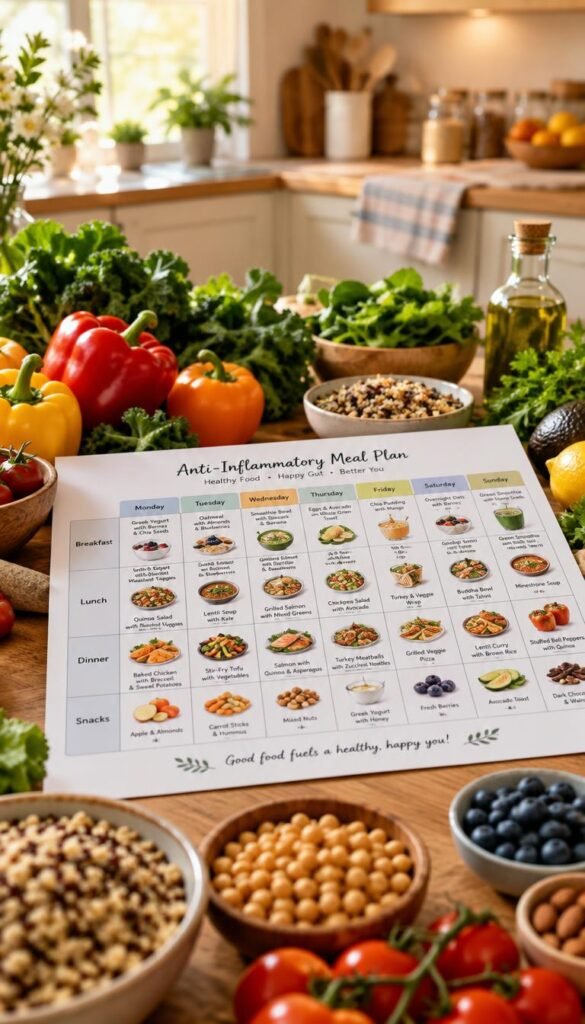
My goal is a routine that respects my time and supports my health. I plan around busy evenings rather than assuming I will always want to cook. The example is adaptable, not a prescribed eating plan.
Key Takeaways
- Build dinners around shared ingredients.
- Save easy meals for busy evenings.
- Use ordinary groceries, not special products.
- Freeze portions intended for later days.
- Adjust the schedule to personal needs.
I want enough structure to reduce last-minute decisions, with space for meals I enjoy. A useful week does not demand perfection. I leave room for a meal to change when my appetite or schedule changes.
What I Expect From an Anti Inflammatory Diet
I use this approach to improve my overall eating pattern, not to make one ingredient responsible for my health. An anti-inflammatory diet supports broader goals, such as blood sugar and cholesterol management. A nutritious pattern remains worthwhile without weight loss.
Chronic inflammation is persistent immune system activity lasting months or years rather than resolving after an injury or infection. Acute inflammation helps the body respond to injury or infection over the short term. That normal response differs from immune activity that continues long after the initial threat.
Chronic inflammation is associated with heart disease, type 2 diabetes, some cancers, and arthritis. An association describes a relationship, not proof that changing dinner will stop a disease. I keep that distinction in mind when reading claims about cancer and dietary change.
A meal plan does not guarantee prevention or treatment of these conditions.
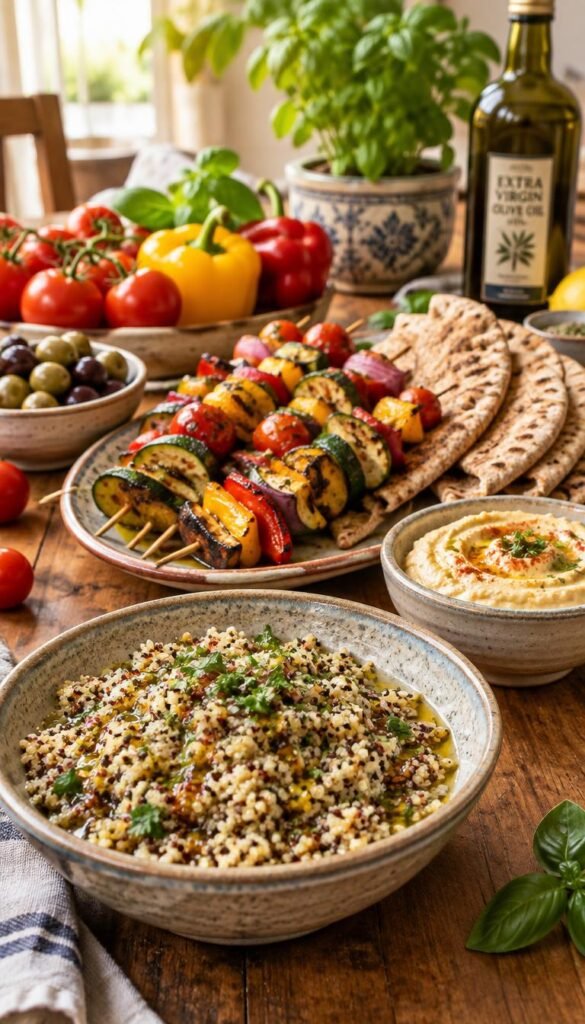
I use a Mediterranean-style diet as my practical model because it favors plant foods and mostly unsaturated fats. It includes moderate fish and dairy while limiting heavily processed choices. Its value comes from repeated choices across meals, not evidence that every plate directly lowers inflammatory activity.
A pattern I can maintain matters more to me than a menu built around an expensive superfood.
The Foods I Build Meals Around
I build most meals from produce, a whole grain or beans, a protein source, and an unsaturated fat. I use a flexible plate, not a rigid nutrient target. The mix can change with the meal, so breakfast need not look like dinner.
Produce, Whole Grains, and Beans
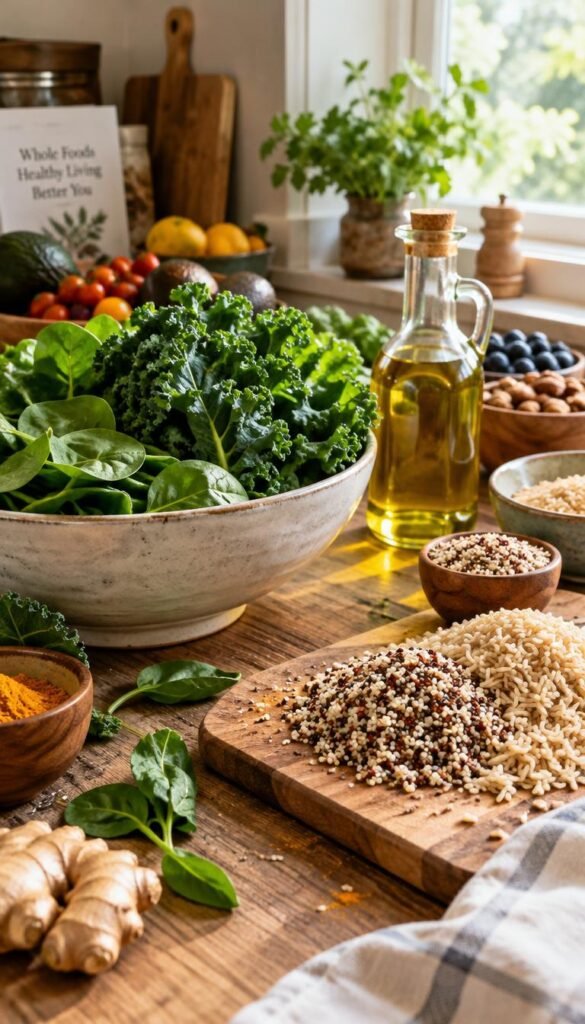
I choose colorful fruits and vegetables for variety, including their antioxidants and polyphenols, which are plant compounds. Berries and cherries contain anthocyanins, pigments that give them rich colors. Broccoli, spinach, lettuce, kale, and cabbage supply vitamin K.
Beans and whole grains add fiber, which helps make meals filling and supports digestion. Small red beans, red kidney beans, and pinto beans offer antioxidant-rich choices. Oatmeal, bulgur, brown rice, and quinoa give me several bases for bowls or side dishes.
Foods that may help relieve inflammation belong to an overall pattern rather than acting as immediate pain relievers. I combine berries, leafy vegetables, beans, grains, nuts, and fish across the week. Variety also gives familiar meals different textures without requiring a new recipe each night.
Fish, Unsaturated Fats, and Moderate Dairy
I aim for fish twice a week, with a serving of 3 to 4 ounces. Salmon, tuna, sardines, herring, and anchovies supply marine omega-3 fatty acids. Walnuts and flaxseeds supply ALA, a plant form that is not interchangeable with marine omega-3 fatty acids.
Olive oil offers an everyday unsaturated-fat option; extra-virgin versions retain more nutrients because they undergo less refining. Walnuts, pine nuts, pistachios, and almonds also fit this pattern. I include moderate dairy, mainly plain yogurt with labeled live cultures and modest amounts of cheese.
A fermented food is not automatically probiotic, meaning it contains live microbes with demonstrated health benefits. Ginger and turmeric can add flavor to yogurt sauces, vegetables, or beans. I use herbs and spices to make familiar ingredients appealing, not as doses of medicine.
What I Limit and What I Use Instead
I change recurring choices before worrying about an occasional dessert. I limit sugary drinks, processed meats, frequent sweets, refined-grain staples, and meals heavy in saturated fats or sodium. Frequency, portions, and the overall diet matter more than a universal blacklist.
No universal ranking identifies the ten worst foods for inflammation. I focus on foods high in added sugar or salt that crowd out more useful staples. The following swaps address choices that can recur several times during a week.
| Usual Choice | My Swap | Practical Difference |
|---|---|---|
| Sugary soda | Water or unsweetened tea | Less added sugar |
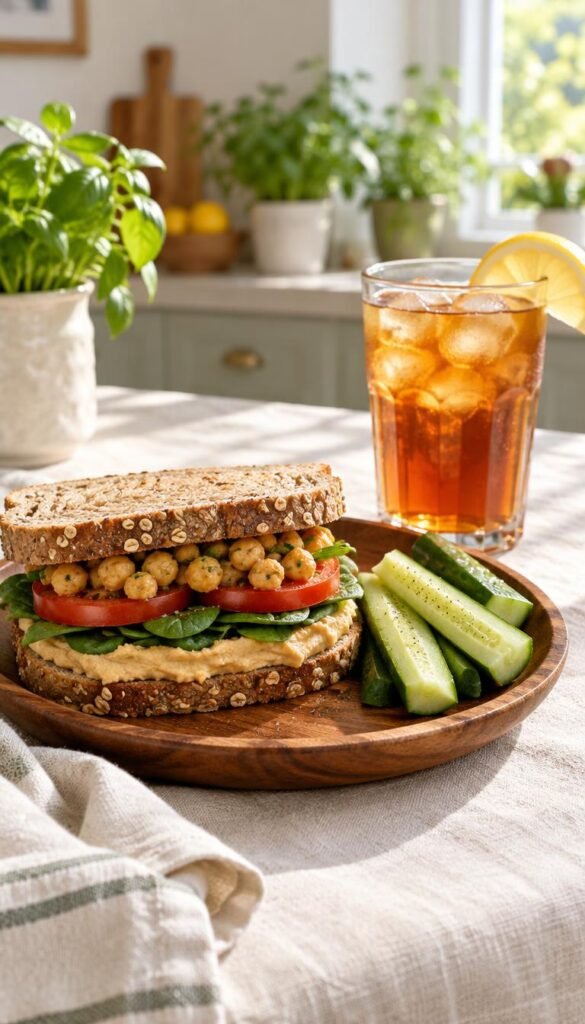
| Sausage sandwich | Chickpea salad sandwich | Beans replace processed meat |
| White rice | Brown rice | A whole-grain base |
| Butter-heavy dressing | Olive oil and lemon | More unsaturated fat |
I also limit red meat and highly processed foods rather than treating every packaged item alike. Canned beans and packaged sweets are not nutritionally equivalent. Frozen vegetables and plain yogurt can remain useful staples.
Partially hydrogenated oils are a source of industrial trans fats, so ingredient lists still matter. Packaging alone tells me little about a food’s value. I compare sodium and added sugar per serving rather than judging a package by its front label.
How I Turn My Calendar Into a Shopping Plan
A busy Wednesday changes my dinner choice before it changes my grocery cart. I assign meals to available cooking time before making a shopping list. That puts evening commitments ahead of recipes that only work on an empty calendar.
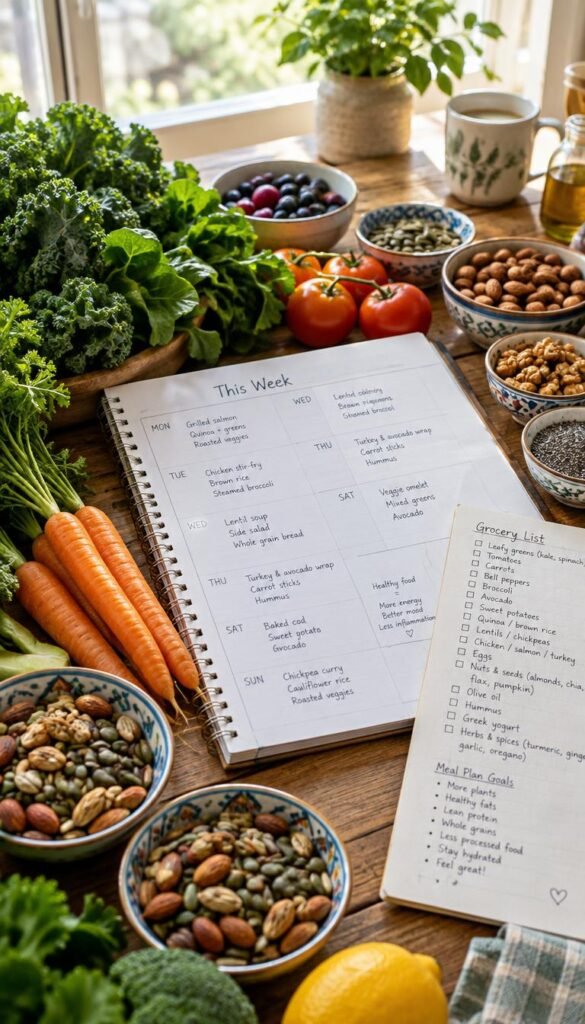
I separate the question of what to cook from when to eat. An intermittent fasting routine concerns eating windows, not the ingredient choices themselves. My meal schedule does not require fasting or a new daily timetable.
Match Dinners to the Week Ahead
I plan for one adult as an illustrative starting point, then scale quantities for the household. I check late meetings, evening errands, and nights when I expect little energy. Those evenings get easy assembly meals rather than dishes with several cooking stages.
A 21-day anti-inflammatory diet routine can repeat the seven-day structure for three weeks with different produce and seasonings. I treat that as planning practice, not a detox deadline. The repeated structure lets me change flavors without rebuilding every shopping decision.
I mark which dinners should leave a portion for lunch before deciding how much to buy. Shared ingredients still need a purpose on the calendar. I avoid buying delicate produce unless I have assigned it a meal.
Shop the Pantry Before the Store
I check existing food first, including oats, whole-grain bread, brown rice, whole-wheat pasta, lentils, and canned chickpeas. I then check salmon, canned sardines, chicken, eggs, and plain yogurt. Frozen produce and canned staples can fill gaps without adding much preparation.
My produce check covers berries, bananas, apples, spinach, broccoli, carrots, tomatoes, onions, and lemons. I check walnuts, flaxseed, olive oil, garlic, and preferred spices, including the nuts and seeds already open. An anti-inflammatory diet book such as The Complete Anti-Inflammatory Cookbook can supply recipe ideas without being necessary.
Its 432-page softcover format contains 426 recipes and meal-preparation tips. I put only missing amounts on my list. I place the most perishable ingredients at the front of the refrigerator so they stay visible.
My Sample Week of Breakfasts, Lunches, and Dinners
Monday’s ingredients do more than one job, which keeps the rest of my week simpler. This anti-inflammatory diet meal plan is an adjustable example, not a prescription. A free anti-inflammatory diet routine can use ordinary groceries and a reusable home schedule without a paid program.
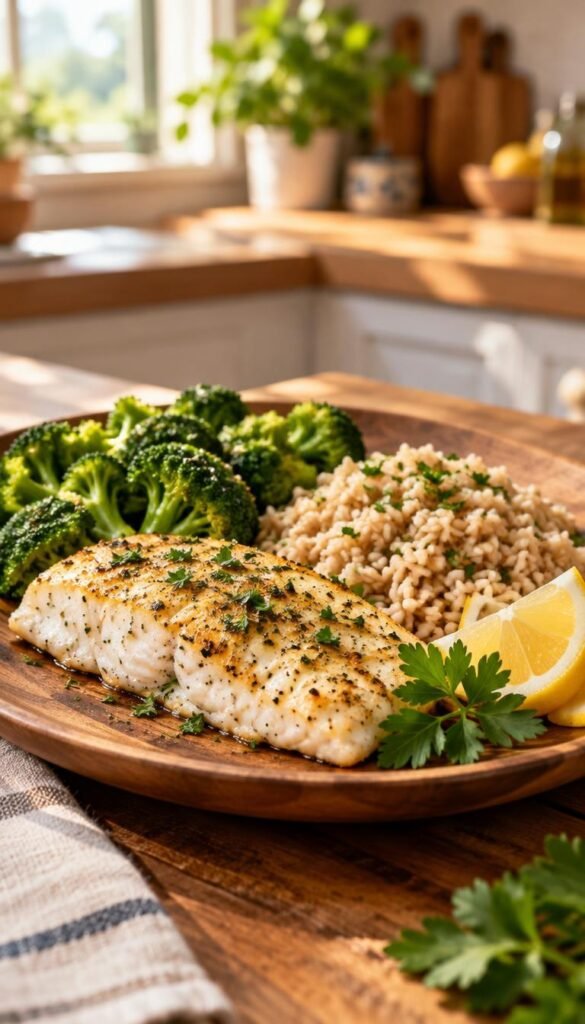
I use Monday salmon and Friday sardines as the fish dinners, following the portions above. For browsing beyond meal ideas, Healthy Life Revolutions offers a health community and article teasers. My sample week uses breakfast and lunch choices that need little extra work.
| Day | Breakfast | Lunch | Dinner |
|---|---|---|---|
| Monday | Oatmeal, berries, and flaxseed | Chickpea-spinach sandwich | Baked salmon, brown rice, and broccoli |
| Tuesday | Plain yogurt, banana, and walnuts | Leftover salmon-rice bowl | Lentil, carrot, and tomato stew |
| Wednesday | Egg and spinach toast | Leftover lentil stew | Chicken, broccoli, and brown rice |
| Thursday | Oatmeal, banana, and flaxseed | Leftover chicken-spinach bowl | Chickpea-tomato skillet over brown rice |
| Friday | Plain yogurt, berries, and walnuts | Leftover chickpea skillet | Sardine and tomato whole-wheat pasta with spinach |
Saturday has egg toast for breakfast and leftover sardine pasta for lunch. Dinner is a thawed portion of lentil stew. Sunday has yogurt and fruit, a chickpea-spinach sandwich, and a vegetable omelet with whole-grain toast.
My two simple anti-inflammatory diet recipes use a pot and a skillet. For the stew, I simmer cooked lentils with tomatoes, carrots, onion, garlic, and water until the carrots soften. For the skillet, I warm chickpeas with tomatoes, spinach, olive oil, and spices until the spinach wilts.
I bake Monday’s salmon and cook Wednesday’s chicken thoroughly, serving each with the planned grain and vegetables. A little cheese can finish Sunday’s omelet. When I need a snack, I choose fruits, yogurt, or nuts.
I reserve the lunch portion before serving dinner so the planned leftovers remain available. Extra hunger might call for more of the main dish or another side. I adjust serving sizes to my appetite and needs rather than treating the table as a calorie target.
Batch Cooking Without Keeping Leftovers Too Long
I freeze the portions meant for later in the week instead of asking Sunday leftovers to last until Saturday. Batch cooking means cooking reusable ingredients ahead of time. Most cooked leftovers keep for 3-4 days refrigerated.
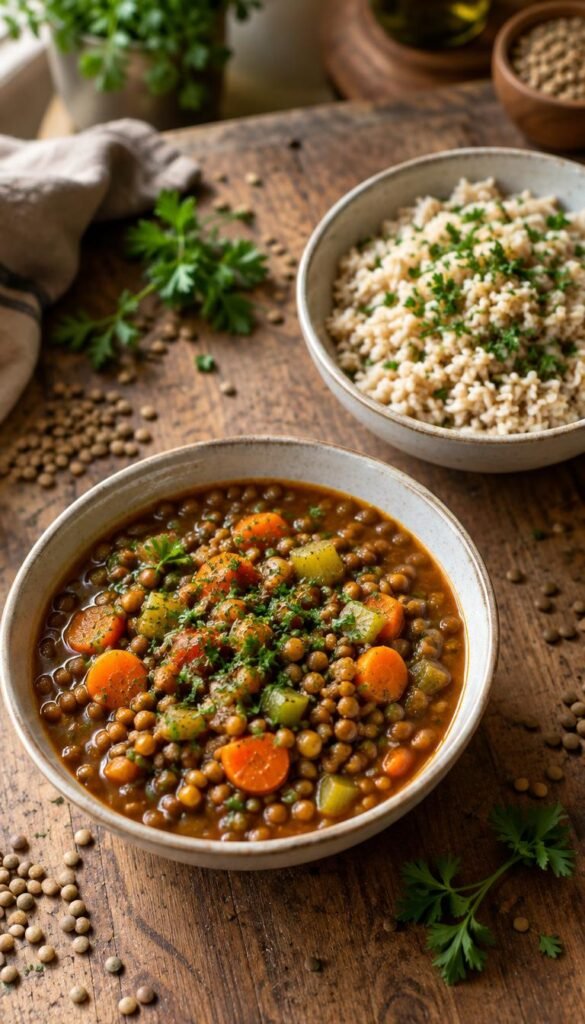
On Sunday, I cook lentil stew and brown rice, wash appropriate produce, and portion ingredients into shallow containers. I promptly freeze Saturday’s stew and Thursday’s rice after cooling them safely. I prepare Monday’s fish and Wednesday’s chicken close to those meals instead of cooking every protein on Sunday.
I refrigerate perishable cooked food within 2 hours, or within 1 hour when temperatures exceed 90°F. My refrigerator stays at 40°F or below. I thaw frozen portions in the refrigerator, never on the counter.
I reheat leftovers to 165°F, checking the center with a food thermometer. For my health, I build these storage steps into preparation rather than relying on how leftovers smell. This keeps convenient eating from depending on guesswork about a container’s age.
I label each container with the dish and preparation date before putting it away.
Adapting the Plan for Food Restrictions and Arthritis
I would adjust this menu for a diagnosed condition before removing whole food groups on suspicion alone. Restrictions should address a clear need, not a universal list of forbidden foods. My anti-inflammatory diet choices would also need to fit any existing treatment plan.
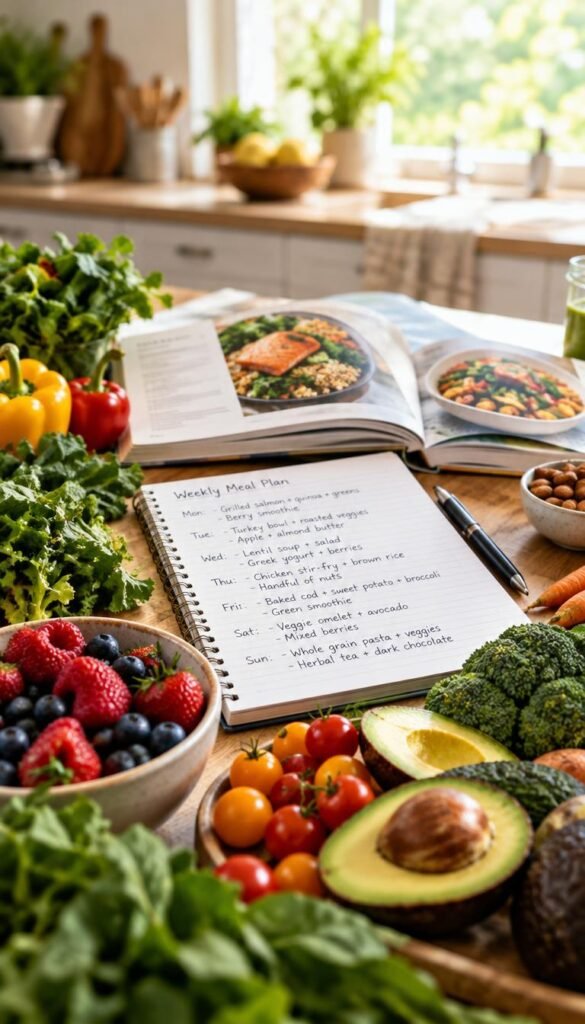
Culture, budget, and access matter when choosing a pattern I can follow. Familiar meals can remain central rather than giving way to unfamiliar specialty products. I would start with the dishes already eaten at home.
Gluten, Dairy, and Suspected Food Triggers
Gluten is not inherently inflammatory for everyone, but celiac disease requires a gluten-free diet. If I suspected celiac disease, I would seek evaluation before excluding gluten because avoidance can affect test results. I would not use a trial exclusion as a substitute for that evaluation.
Dairy does not need universal exclusion either. An allergy or intolerance calls for tailored substitutions that still meet nutritional needs. I would distinguish a diagnosed allergy from discomfort that needs further assessment.
No scientific evidence shows that nightshade vegetables trigger arthritis flares, so tomatoes are not automatically prohibited. For a suspected personal trigger, I could track symptoms while avoiding it for a few weeks, then reintroducing it. I would assess one suspected trigger at a time rather than remove several groups together.
Rheumatoid Arthritis and Realistic Expectations
The 2022 American College of Rheumatology guideline gives a Mediterranean-style diet a conditional recommendation for rheumatoid arthritis. Possible benefits include improved physical function, reduced joint swelling, and less pain. Low-certainty evidence leaves other formally defined diets without a recommendation.
Supportive eating does not replace medical treatment that controls rheumatoid arthritis.
Choices to limit remain those discussed earlier, not a special arthritis blacklist. No single strongest natural anti-inflammatory food has been established. The general approach favors food first, without additional dietary supplements aimed at inflammation.
A registered dietitian can help with restrictive needs or culturally familiar choices using local fish, grains, produce, and seasonings. I would keep those adaptations practical rather than seek a perfect menu. New or worsening joint swelling deserves medical assessment rather than another round of food exclusions.
Conclusion
I would rather repeat a few meals I enjoy than maintain a complicated menu for only a week. A useful anti-inflammatory diet routine fits my available time and food preferences. I can begin with two planned dinners instead of committing to seven days at once.
One unplanned meal does not erase the rest of my eating choices. I would return to the next scheduled meal rather than abandon the routine or try to compensate. After that, I can decide whether the schedule needs fewer cooking nights.
Tonight, I would choose one dinner from the sample week and write its ingredients beside a day on my calendar.