Are you wondering how to detox naturally for weight loss without falling for expensive supplements or extreme diets? The truth might surprise you.
Your body already has a system to get rid of unwanted substances every day. Your liver, kidneys, digestive system, skin, and lungs work together. No magic pill or juice cleanse can outperform these organs when they’re supported.
The key to losing fat is understanding holistic body purification through evidence-based practices. Instead of harsh restrictions, effective natural detoxification methods focus on nutrition, hydration, movement, and lifestyle changes. These support your body’s cleansing abilities.
This guide explores proven weight management strategies that help your organs cleanse. You’ll find practical approaches for lasting results without harming your wellbeing.
Understanding Natural Detoxification and Weight Management
Your body has a built-in way to fight off bad stuff from the environment and inside you. It works all the time to find and get rid of harmful substances. You don’t need special supplements or extreme diets to do this. Your body already has a body’s detoxification system that’s been perfecting itself for millions of years.
Detox and weight loss are linked in a big way. Many people find that helping their body clean itself can help them lose weight. Knowing how these systems work together is key to making good health choices.
What Is Natural Detoxification?
Detox is your body’s way to find, process, and remove unwanted stuff. Research from the University of Wisconsin shows it handles toxins from outside and inside you. Your organs work together to keep everything balanced, from pesticides to carbon dioxide.
Detox happens all the time, not just during cleanses or diets. Every breath, meal, and move you make involves toxin processing. This constant vigilance keeps your body healthy.
A toxin elimination diet helps your body do what it already does well. It doesn’t need to learn how to detox. The goal is to cut down on toxins and give your organs what they need to work best.
The Connection Between Toxin Elimination and Weight Loss
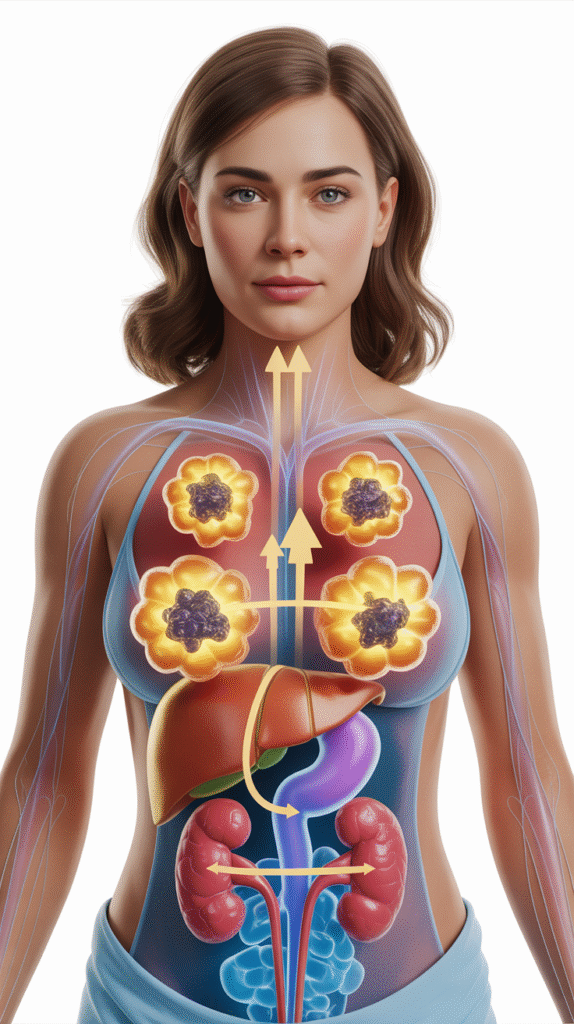
Detox and fat loss are connected in a complex way. Some toxins like to hide in fat cells. When your body has too much of these toxins, it might hold onto fat cells to keep them safe.
This can mess with your metabolic health in many ways. Toxins in fat cells can mess with hormones that control hunger and metabolism. They can also hurt how well your cells burn calories.
A natural cleanse for fat burning helps by reducing toxins and supporting your body’s detox systems. As your body gets rid of toxins, it might release fat cells. This makes it easier to lose weight and improves your health.
This process takes time, but many people feel more energetic and start to lose weight. Helping your body detox better makes your metabolism work better. This can lead to better insulin use and fat burning.
How Your Body Naturally Detoxifies
Your body uses many systems to stay clean. Each system has its own job, but they all work together to get rid of toxins. Knowing how these systems work helps you understand how your body naturally detoxifies.
The liver is your main detox organ. It breaks down chemicals in two steps. The first step changes toxins into something easier to get rid of. The second step makes them water-soluble so they can be flushed out. This process handles everything from alcohol to medication residues.
Your kidneys filter a lot of blood every day, removing waste and excess substances. They keep your fluids and electrolytes balanced and get rid of metabolic waste. Drinking enough water helps your kidneys work better and get rid of more waste.
| Organ System | Primary Function | Main Elimination Route | Support Strategy |
|---|---|---|---|
| Liver | Chemical processing and neutralization | Bile production and digestive elimination | Nutrient-dense foods, adequate protein |
| Kidneys | Blood filtration and waste removal | Urine excretion | Proper hydration, electrolyte balance |
| Digestive System | Waste elimination and nutrient absorption | Bowel movements | Fiber intake, probiotic foods |
| Skin | Toxin release through perspiration | Sweat glands | Regular exercise, sauna sessions |
| Lungs | Gas exchange and respiratory waste removal | Exhalation | Deep breathing, cardiovascular activity |
The digestive system gets rid of solid waste and processed toxins. A healthy gut helps break down toxins and keeps them from being reabsorbed. Foods high in fiber help by binding to waste and promoting elimination.
Your skin keeps out toxins and gets rid of them through sweat. Exercise makes you sweat, releasing toxins like heavy metals and organic compounds. This makes exercise key to any toxin elimination diet.
The lungs get rid of carbon dioxide and other gases with every breath. Deep breathing and exercise improve lung function. This automatic detox can be made better with conscious breathing.
The lymphatic system moves immune cells and collects waste. Unlike blood, it depends on muscle movement to flow. Exercise and techniques like dry brushing help move lymph and remove toxins.
Knowing how your body’s detoxification system works lets you make better choices. Instead of quick fixes, focus on giving your organs what they need. This approach leads to lasting improvements in health and weight management.
The Science Behind Holistic Body Purification
Understanding how toxins affect your metabolism is key to effective body purification. Research shows how toxins, diet, and weight are linked. This is why just counting calories doesn’t work when your body is full of toxins.
Your body’s detox and fat metabolism work together. When they’re not working right, you might gain weight, even if you eat less and exercise more. Science helps us understand how to support these processes naturally.
How Toxins Disrupt Your Metabolism
Toxins can really mess with your metabolic function. Heavy metals like mercury and lead slow down your energy production. They also mess with hormones that control your metabolism.
Environmental chemicals, like pesticides, act like endocrine disruptors. They mess with your thyroid and insulin, which control your metabolism and blood sugar. This can make you gain weight, even if you eat less.
Toxins slow down your metabolic function. This makes it hard to lose weight, even if you eat less. Your body starts to store fat instead of burning it.

Dietary toxins also harm your metabolism. Foods with trans fats and high-fructose corn syrup cause inflammation. Eating too much of these foods can lead to obesity and diseases like heart disease and diabetes.
Oxidative stress is a big problem caused by toxins. Free radicals damage your cells and affect energy production. This makes it hard to lose weight.
Antioxidants fight off free radicals and protect your cells. Without enough antioxidants, you’re at risk for diseases like dementia and cancer. These diseases make it hard to keep a healthy weight.
| Toxin Category | Common Sources | Metabolic Impact | Primary Organs Affected |
|---|---|---|---|
| Heavy Metals | Contaminated water, fish, dental fillings | Enzyme disruption, slowed metabolism | Thyroid, kidneys, brain |
| Pesticides | Conventional produce, contaminated water | Hormone disruption, insulin resistance | Endocrine system, liver |
| Processed Food Additives | Packaged foods, fast food, sodas | Inflammation, fat accumulation | Liver, digestive system |
| Environmental Pollutants | Air pollution, plastics, household chemicals | Oxidative stress, mitochondrial damage | Lungs, liver, fat tissue |
Your Liver’s Critical Role in Managing Weight
Your liver is key for detox and weight control. It does over 500 functions daily, including detoxing and making bile. When it works well, losing weight is easier.
The liver makes bile for fat digestion. Artichokes help the liver make more bile. Without enough bile, your body can’t digest fats well.
The liver also controls blood sugar. It stores glucose as glycogen and releases it when needed. This keeps your energy steady and prevents cravings.
The liver’s ability to break down fats affects whether you store fat or burn it.
Too many toxins can make your liver less efficient. This leads to fatty liver disease, making it hard to lose weight. Broccoli helps the liver detox better.
Supporting your liver is important for weight loss. It needs nutrients to detox properly. These nutrients help your liver get rid of toxins better.
Phase I and Phase II detox pathways need different nutrients. Phase I changes toxins into intermediate compounds. Phase II makes them water-soluble for elimination. Both are needed for detox.
The Connection Between Toxins and Fat Storage
Toxins are stored in fat tissue to protect vital organs. Lipophilic toxins like to be in fat cells. This makes losing weight harder.
As your body’s toxin load goes up, it may not want to release fat. This is because releasing fat would put toxins back in your blood. Your body tries to protect itself from harm.
Starting to lose weight can cause symptoms like headaches and fatigue. This is because fat cells release toxins faster than your body can get rid of them. Symptoms can be uncomfortable but temporary.
Supporting detox pathways before and during weight loss helps. This way, your body can handle toxins better. It makes losing weight easier.
POPs are toxins stored in fat tissue. They build up over years and are hard to break down. More body fat means more storage for these toxins.
Research shows toxins and obesity are linked. Toxins can make you gain weight, and being overweight can make you store more toxins. Breaking this cycle is key to losing weight.
Holistic body purification addresses these connections. It reduces toxins and supports detox pathways. This approach helps you lose weight safely and sustainably.
Preparing Your Body for a Natural Cleanse
Starting a natural cleanse needs preparation days before. This prep sets your body up for success. The University of Wisconsin says planning ahead helps avoid bad symptoms and sets realistic goals.
Jumping into extreme diet changes can cause withdrawal symptoms. Your body needs time to get used to new eating habits. This time also lets you prepare your kitchen and avoid bad food temptations.
Avoid sudden, extreme diet changes. Stick to safe, healthy changes that work for you.
Making the Transition Away From Processed Items
Removing processed foods too fast can cause headaches and cravings. Your body gets used to things like sugar and caffeine. A slow change helps you avoid these problems.
First, find and remove bad foods from your diet. Look for foods with high-fructose corn syrup, trans fats, and artificial additives. Replace them with whole foods over a week.
In the second week, cut down on other processed foods. This two-week transition helps your taste buds adjust and reduces cravings. Your body starts to get nutrients from whole foods instead of processed ones.

Slowly removing bad foods has many benefits. Your blood sugar levels stay stable, and your digestive system gets used to more fiber. This method feels doable and doesn’t feel like punishment.
| Week | Foods to Eliminate | Replacement Options | Expected Adjustments |
|---|---|---|---|
| Week 1 | High-fructose corn syrup, trans fats, artificial colors and flavors | Fresh fruits, natural sweeteners like honey, whole food snacks | Reduced sugar cravings, slight energy dips, possible mild headaches |
| Week 2 | Refined grains, packaged snacks, sugary beverages, processed meats | Whole grains, nuts and seeds, infused water, lean proteins | Improved digestion, stabilized energy, diminished cravings |
| Week 3 | Remaining processed condiments, frozen meals, fast food | Homemade sauces, batch-cooked whole meals, prepared fresh food | Enhanced taste sensitivity, increased meal satisfaction, better sleep |
Building Your Hydration Foundation
Drinking enough water is key for detox. Your kidneys need water to filter waste and toxins. Without enough, your detox organs can’t work right, even with good food choices.
Start drinking more water slowly, aiming for eight to ten glasses daily before your cleanse. Drinking too much water too fast can upset your system. A slow increase helps your body adjust.
Your lymphatic system needs water to move waste. It doesn’t have a pump like your heart, so it relies on movement and water. Not drinking enough slows down this system, letting toxins build up.
Many people mistake thirst for hunger, leading to extra snacking. Drinking enough water before your detox helps you tell the difference. This helps you avoid eating when you’re not hungry and supports weight loss.
Try adding lemon, cucumber, or mint to your water for flavor. Lemon helps your liver, cucumber adds hydration, and mint is refreshing without calories.
Establishing Achievable Outcomes
Setting realistic weight loss goals helps you stay motivated. Losing one to two pounds a week is sustainable. Losing more often is usually water weight that comes back quickly.
The first few days of diet changes often show quick results. This is because processed foods hold water, and removing them makes you lose water weight. This can make it seem like you’ve lost a lot of fat.
Focus on non-scale victories as signs of detox success. Feeling more energetic and sleeping better are good signs. So is better digestion, showing your gut is happy with whole foods.
Less craving for bad foods is a big win. It means your body has changed its preferences. You’ll start to enjoy healthy foods more naturally.
Keep track of more than just weight. Watch your energy, sleep, digestion, and mental clarity. Notice how your clothes fit and how you feel during exercise. These changes often come before weight loss and keep you motivated.
Don’t believe in quick detox diets that promise to remove toxins fast. Your weight loss goals should be based on lasting lifestyle changes, not short-term diets. Getting ready for detox sets you up for long-term health benefits.
Investing time in preparation now will pay off later. Take these steps seriously and let your body adjust slowly. This careful approach will help you stay on track with your detox and adopt lasting healthy habits.
Whole Foods Detoxification Approach
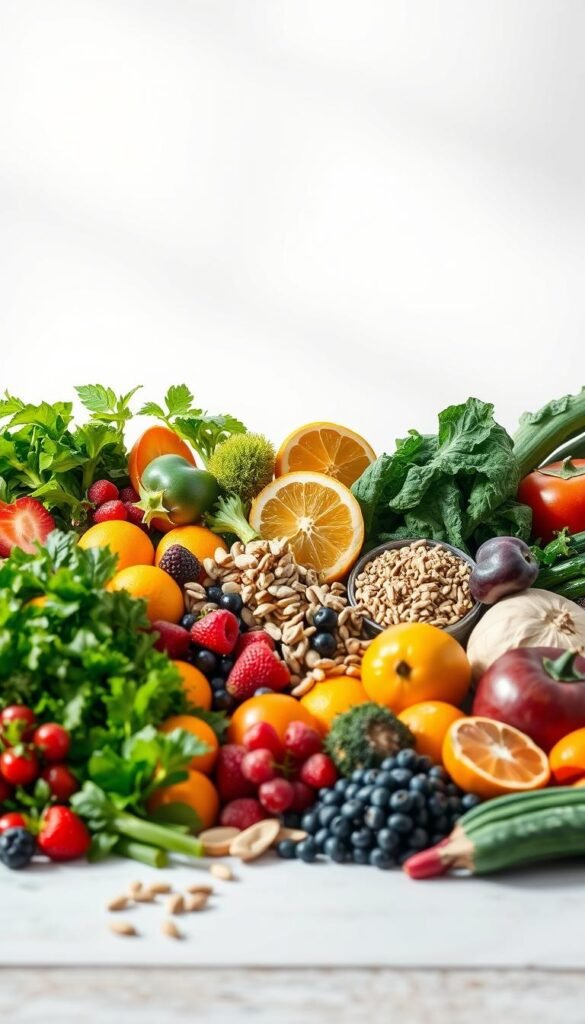
Whole foods detoxification changes how you eat. It uses foods full of nutrients to help your body clean itself. You stop eating processed foods and start eating foods that are good for you.
This method is simple. You don’t need expensive supplements or hard plans. Just eat colorful veggies, fruits, proteins, and fats. These foods help your body get rid of toxins.
Nutrient-Dense Foods That Support Detox
Cruciferous veggies are key for detox. Broccoli has sulforaphane, which helps your liver break down toxins. It also fights bad cells and boosts liver health.
Kale is another superfood. It has amino acids that help make detox enzymes. It also helps with cholesterol and blood pressure, making your organs work better.
Collard greens have sulfur compounds that help detox. These compounds lower cancer risk by removing harmful substances. Sulfur helps get rid of toxins.
Asparagus has glutathione, the body’s top antioxidant. It fights free radicals and toxins in your liver and kidneys. It also helps your bladder get rid of toxins.
The foods we eat can help or harm our detox systems. Choosing whole foods is key for good health.
Artichokes are special for detox. They have nutrients that make your liver make bile. Bile is important for getting rid of fat-soluble toxins.
Beets have betaine and pectin fiber that help your liver. These compounds bind to toxins and help remove them. Beets also protect liver cells from damage.
Spinach is full of detox-supporting nutrients. It has vitamins A, C, E, and K, and antioxidants. It’s low in calories but packed with nutrition for detox organs.
Grapefruit has fat-burning enzymes. It’s full of vitamins A, C, and B1, and has enzymes that break down fat. It also has fiber for digestive health.
Avocados have over 20 vitamins and minerals and healthy fats. These fats help your body absorb vitamins and protect cells. Avocados also have antioxidants for fighting stress.
Healthy grains are important for detox. Brown rice, quinoa, buckwheat, oatmeal, and millet have fiber for removing toxins. They also have B vitamins for liver enzymes.
Seeds, nuts, and legumes are also good. Flax seeds have omega-3s for reducing inflammation. Legumes have protein and fiber, and nuts have minerals for antioxidants.
| Food Category | Key Detox Nutrients | Primary Benefit | Best Examples |
|---|---|---|---|
| Cruciferous Vegetables | Sulforaphane, sulfur compounds | Activates liver detox enzymes | Broccoli, kale, collard greens |
| Leafy Greens | Chlorophyll, antioxidants | Blood purification, nutrient delivery | Spinach, Swiss chard, arugula |
| Root Vegetables | Betaine, pectin fiber | Binds and removes liver toxins | Beets, carrots, turnips |
| Healthy Fats | Omega-3s, antioxidants | Cell protection, nutrient absorption | Avocados, flax seeds, walnuts |
Foods to Avoid During Your Detox
Processed meats are bad for detox. They have nitrates and chemicals that your liver must deal with. Avoiding bacon, hot dogs, and sausages helps your organs detox better.
Refined sugars and high-fructose corn syrup cause inflammation. They raise insulin levels and harm liver health. Avoid candy, soda, and baked goods.
Trans fats and hydrogenated oils damage cells. They’re in fried foods and processed goods. Healthy fats are needed for detox.
Conventional dairy and wheat can trigger inflammation. These foods can burden your immune system and digestive tract during detox. Try avoiding them to see if you feel better.
Alcohol stresses your liver, which is key for detox. Even a little drinking can make your liver work harder. Give your liver a break from alcohol for detox.
Caffeine can upset your detox balance. It stresses your adrenal glands and can cause dehydration. Reducing caffeine helps with detox.
Artificial sweeteners, food dyes, and preservatives add toxins. They need liver processing and can build up in tissues. Check labels to avoid these toxins.
How to Detox Naturally for Weight Loss with Clean Eating
Starting a clean eating plan changes how you detox naturally for weight loss. It focuses on whole foods and removes harmful substances. This leads to a healthy way of eating that helps get rid of toxins and burn fat.
A clean eating detox plan is different from strict diets. It gives your body lots of nutrients and lets your digestive system rest. This helps your body repair and cleanse itself.
Creating Your Clean Eating Detox Plan
Starting with a gradual elimination of foods is the best way to detox. Studies show that structured elimination protocols help your body adjust while keeping you well-nourished.
The 7-day plan starts by removing foods that cause inflammation. For the first two days, you avoid meat, eggs, dairy, wheat, alcohol, caffeine, chocolate, and sugar. You eat only organic plant-based foods like vegetables, fruits, whole grains, and healthy oils.
This first step reduces exposure to hormones and antibiotics in animal products. It also removes common allergens that can cause inflammation and slow down fat burning.
On day three, you stop eating grains, nuts, beans, and legumes. You only eat fresh fruits and vegetables. This lets your digestive system rest while you get important nutrients.
The fourth day introduces a modified fasting. You drink only water, vegetable broth, diluted juices, and herbal teas. This digestive rest period helps your body detox and repair itself.
Days five to seven slowly add back foods from the first phase. Day five allows fruits and vegetables only. Days six and seven bring back the wider variety of plant-based foods. This helps your body adjust to regular eating again.
Throughout the seven days, drinking plenty of water is key. Aim for 8-10 glasses of filtered water a day, with herbal teas and diluted juices added in.
| Phase | Duration | Foods Included | Primary Benefits |
|---|---|---|---|
| Initial Elimination | Days 1-2 | Organic vegetables, fruits, whole grains, legumes, nuts, seeds, healthy oils | Reduces inflammatory triggers and digestive burden |
| Simplified Diet | Day 3 | Fresh fruits and vegetables only | Maximizes digestive rest and nutrient absorption |
| Modified Fasting | Day 4 | Water, broth, diluted juices, herbal teas | Redirects energy to cellular repair and deep detoxification |
| Gradual Reintroduction | Days 5-7 | Progressive return to full plant-based foods | Supports sustainable transition and metabolic adaptation |
Practical meal examples make this clean eating detox plan easier to follow. For breakfast, try smoothies with berries, flax seeds, spinach, and plant-based protein powder. Or, make steel-cut oatmeal with sliced almonds, cinnamon, and fresh fruit.
Lunch can be a large colorful salad with mixed greens, cherry tomatoes, cucumber, and more. Vegetable-based soups with herbs and spices are also good options.
For dinner, stir-fry vegetables with quinoa or brown rice, seasoned with ginger, garlic, and turmeric. Roasted vegetable medleys with rosemary and thyme are also great for weight loss.
Meal Timing for Optimal Fat Burning
Timing your meals right can boost detox and fat burning. Eating in sync with your body’s natural rhythms helps.
Having 12-14 hours between meals and your next meal the next morning is key. This extended fasting window helps your body clean itself. Your liver does most of its detox work when you’re sleeping.
This type of fasting doesn’t mean you can’t eat. Just finish dinner by 7 PM and eat breakfast at 8 AM. This gives you a 13-hour fasting window that boosts fat burning.
Eating every 4-5 hours without snacks helps lower insulin levels. Lower insulin means your body uses stored fat for energy, improving metabolic flexibility.
Eating lighter dinners helps you sleep better. Try to finish dinner at least three hours before bed. This reduces acid reflux and supports growth hormone release while you sleep.
Growth hormone is important for fat metabolism and repair. It’s released most during deep sleep, but only when you’re not digesting food.
Consider this daily schedule: breakfast at 8 AM, lunch at 1 PM, and dinner at 6 PM. This pattern gives you enough nutrients and creates two fasting periods that help detoxify your body.
Remember, being consistent is more important than being perfect. Adjust the schedule to fit your life, but keep the 12-14 hour overnight gap and 4-5 hour meal spacing. These principles work for different lifestyles and offer big benefits for metabolism and detox.
Herbal Detox Methods for Enhanced Results
Adding medicinal herbs to your detox routine can help your body get rid of toxins and lose weight. These herbs work well with whole foods to help your liver, kidneys, and digestive system. They support your body’s natural detox processes without harsh side effects.
Using specific herbs can help in different ways. Some herbs help your liver, while others support your kidneys or digestion. This helps your body manage weight better.
Powerful Teas That Support Your Cleanse
Detoxifying teas are a simple and effective way to add herbal support to your day. Dandelion root tea helps your kidneys and liver while giving you important minerals. This prevents mineral loss from water-based cleanses.
Milk thistle tea has silymarin, which protects your liver and helps it work better. It’s great for those with fatty liver. Research shows it helps your liver process toxins and fat.

Green tea, preferably decaf during detox, has catechins and EGCG. These boost fat burning and protect against damage. Drinking two to three cups a day can increase your metabolism.
Ginger tea aids digestion, reduces inflammation, and helps remove toxins through sweat. It also helps with nausea during detox. Fresh ginger is more effective than tea bags.
Peppermint tea eases digestive issues, reduces bloating, and aids bile flow. It’s perfect after meals. The menthol in peppermint gives a caffeine-free energy boost.
Licorice root tea supports your adrenal glands during detox stress. It has anti-inflammatory properties that protect your gut. But, people with high blood pressure should use it carefully and talk to a doctor first.
Chamomile tea helps you relax and sleep well, which is key for detox. Your body cleanses and repairs itself during deep sleep. A cup of chamomile before bed helps with this.
The traditional digestive tea blend is a mix of fennel, coriander, and cumin seeds. It reduces gas, boosts digestive enzymes, and aids detox. Steep one teaspoon of the seeds in boiling water for 10 minutes, then strain and drink after meals.
| Tea Type | Primary Benefits | Best Time to Drink | Daily Servings |
|---|---|---|---|
| Dandelion Rohttps://amzn.to/4oZtmOeot | Liver support, kidney function, mineral replenishment | Morning or afternoon | 1-2 cups |
| Ginger | Digestive stimulation, inflammation reduction, thermogenesis | Morning or after meals | 2-3 cups |
| Peppermint | Digestive comfort, bile flow, bloating reduction | After meals | 2-3 cups |
| Chamomile | Sleep quality, relaxation, overnight detoxification | Evening before bed | 1 cup |
| Digestive Blend | Gas reduction, enzyme production, gentle cleansing | After all meals | 3 cups |
Drink three to four cups of detox teas a day. Choose teas based on the time and what you need. Green tea or ginger in the morning, digestive teas after meals, and chamomile at night.
Daily Herbal Integration Strategies
Using medicinal herbs in your meals and routines gives ongoing detox support. Fresh cilantro helps remove heavy metals from your body. Add it to salads, smoothies, and dishes.
Parsley supports your kidneys and freshens your breath. It helps remove toxins through urine. Use the leaves and stems in your cooking.
Adaptogenic herbs like ashwagandha and holy basil help with detox stress. They balance your energy. Take them consistently for two weeks to see the full effect.
Digestive herbs like fennel, cumin, and turmeric improve nutrient absorption and reduce inflammation. Turmeric, in particular, protects your liver and aids bile production. Adding black pepper to turmeric increases absorption by up to 2,000 percent.
For herbal supplements, milk thistle extract supports your liver. N-acetylcysteine (NAC) boosts your body’s main antioxidant. Artichoke extract aids bile flow and cholesterol metabolism.
But, supplements need careful thought. Always talk to a healthcare provider before adding them to your detox routine. They can interact with medications and may not be right for everyone. Choose high-quality products from trusted manufacturers.
Start with herbs and teas before moving to supplements. Many people get great results with food-based detox methods alone. If you do use supplements, add them one at a time to see how your body reacts.
Natural Weight Loss Detox Recipes
Creating tasty meals that detox your body and help you lose weight is easy. You don’t need fancy ingredients or to be a great cook. Just pick nutrient-dense whole foods that help your liver and keep you full.
These recipes use foods known for detoxing. You’ll find something for every meal and snack. This makes sticking to your detox plan easier.
Morning Detox Smoothies
Starting with a detox smoothie gives you important nutrients. It also helps your body clean itself. The base smoothie has healthy fats, protein, and fruits for the best results.
To make the Complete Detox Breakfast Smoothie, blend olive oil, avocado, and plant-based protein powder. Add flax seeds for omega-3s and lignans. Use orange juice, almond or coconut milk as your liquid.
Add a banana for sweetness and potassium. Include an apple or pear with the peel for fiber. Mix in frozen berries for antioxidants.
Finish with ice or water for the right consistency. This smoothie has 400-500 calories, balanced nutrients, and 8-10 grams of fiber.
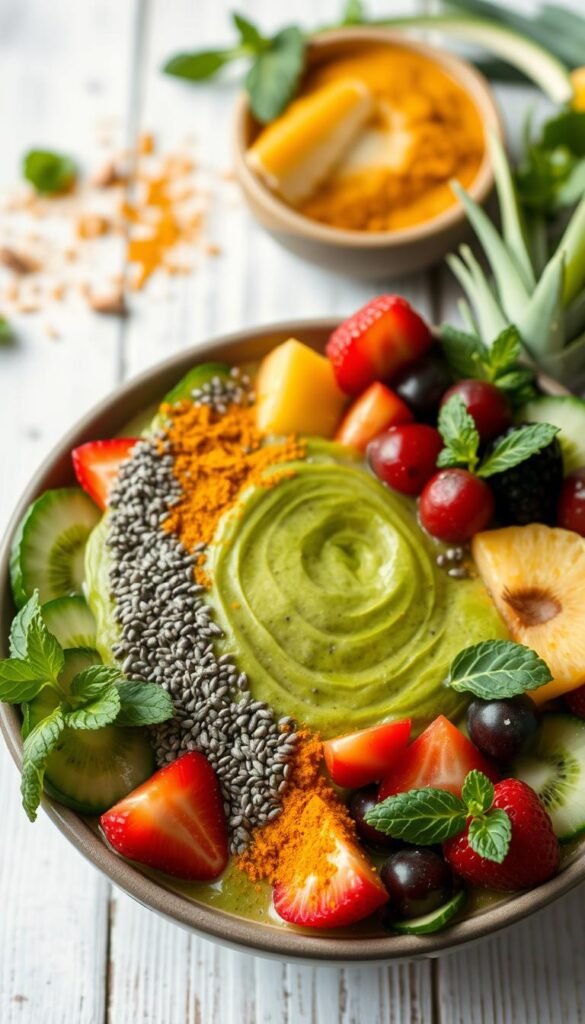
Try a Green Detox Smoothie for something different. It has spinach, cucumber, celery, apple, lemon, ginger, and parsley. It’s low in calories and full of nutrients.
The Tropical Metabolism Booster is another tasty option. It has pineapple, mango, coconut water, turmeric, and chia seeds. It aids digestion and gives you natural electrolytes and anti-inflammatory compounds.
Detox-Friendly Lunch and Dinner Ideas
Healthy meals for lunch and dinner focus on veggies, whole grains, legumes, and lean proteins. The Superfoods Detox Broth is a great base for soups or on its own.
To make this broth, use onion, greens, celery, seaweed, cabbage, carrots, burdock root, daikon radish, squash, and root veggies. Add mushrooms for immune support.
Simmer the ingredients in water for 40-60 minutes. Strain to get a broth full of minerals and nutrients. Drink 1-2 cups a day or add veggies, beans, or quinoa for a meal.
The Rainbow Detox Salad is perfect for lunch. Start with greens, add beets, carrots, avocado, chickpeas, and pumpkin seeds. Dress with lemon, tahini, garlic, and sea salt.
For dinner, try a Roasted Vegetable Buddha Bowl. Cook quinoa and roast broccoli, Brussels sprouts, and sweet potato. Top with sauerkraut and tahini sauce.
Lentil and Vegetable Curry is a warm dinner choice. Sauté onions, garlic, ginger, and turmeric. Add lentils, broth, and veggies. Simmer until lentils are tender. Serve over brown rice or cauliflower rice.
Zucchini noodles are a light dinner option. Spiralize zucchinis and sauté them. Top with pesto, cherry tomatoes, and artichoke hearts for detox benefits.
Detox Snacks and Beverages
Smart snacking keeps you energized and supports your detox goals. Raw veggies with healthy dips are full of fiber and enzymes.
Enjoy sliced celery, cucumber, bell peppers, and tomatoes with hummus or guacamole. These snacks are crunchy and hydrating. Raw nuts and seeds provide healthy fats and protein.
Fruit with almond butter balances sugars with protein and fat. Seaweed snacks are rich in iodine and minerals that boost metabolism.
Cleansing beverages are key for detox. The Vitalizing Beverage has lemon or lime juice, maple syrup, and cayenne pepper in water. It’s full of vitamin C, enzymes, and capsaicin.
Infused water adds flavor and hydration. Try cucumber-mint, lemon-ginger, or berry-basil. Mix ingredients in water and chill for 2-4 hours.
Coconut water is a natural electrolyte drink. Fresh vegetable juices are okay in small amounts. Whole veggies are better for fiber.
Try carrot-apple-ginger, beet-celery-lemon, or green juice with cucumber, celery, spinach, apple, and lemon. Limit juice to 4-6 ounces and drink with whole foods to avoid blood sugar spikes.
| Meal Type | Recipe Example | Key Detox Ingredients | Approximate Prep Time |
|---|---|---|---|
| Breakfast | Complete Detox Smoothie | Avocado, berries, flax seeds, greens | 5 minutes |
| Lunch | Rainbow Detox Salad | Beets, carrots, chickpeas, leafy greens | 15 minutes |
| Dinner | Superfoods Detox Broth | Kale, seaweed, mushrooms, root vegetables | 60 minutes |
| Beverage | Vitalizing Drink | Lemon, cayenne pepper, maple syrup | 2 minutes |
These detox recipes help you cleanse while keeping you nourished. Try different recipes to find what you like and fits your lifestyle.
Supporting Your Liver Cleanse for Weight Management
Good nutrition and lifestyle choices are key for natural weight loss. Your liver is the main detox center and helps with fat and hormone balance. Proper liver care boosts toxin removal and weight control.
The liver detoxes in two phases, needing certain nutrients. Knowing this helps choose the right foods and supplements for liver health.
Essential Nutrients for Liver Health
Your liver needs specific nutrients for detox. B-complex vitamins like B6, B12, and folate are vital. They help turn toxins into forms that can be removed.
Sulfur-containing amino acids like methionine and cysteine are important. You can find them in garlic, onions, and cruciferous veggies. These amino acids help make glutathione, your body’s main antioxidant.
Antioxidants like vitamins C and E, selenium, and alpha-lipoic acid protect liver cells. They fight off damage from free radicals during detox.
Choline helps prevent fat buildup in the liver. It’s found in sunflower seeds and cauliflower. Not enough choline can lead to fatty liver, which hurts detox.
Magnesium is needed for many liver functions. You can get it from leafy greens, nuts, seeds, and whole grains. It’s essential for daily liver work.
Liver-Cleansing Foods and Supplements
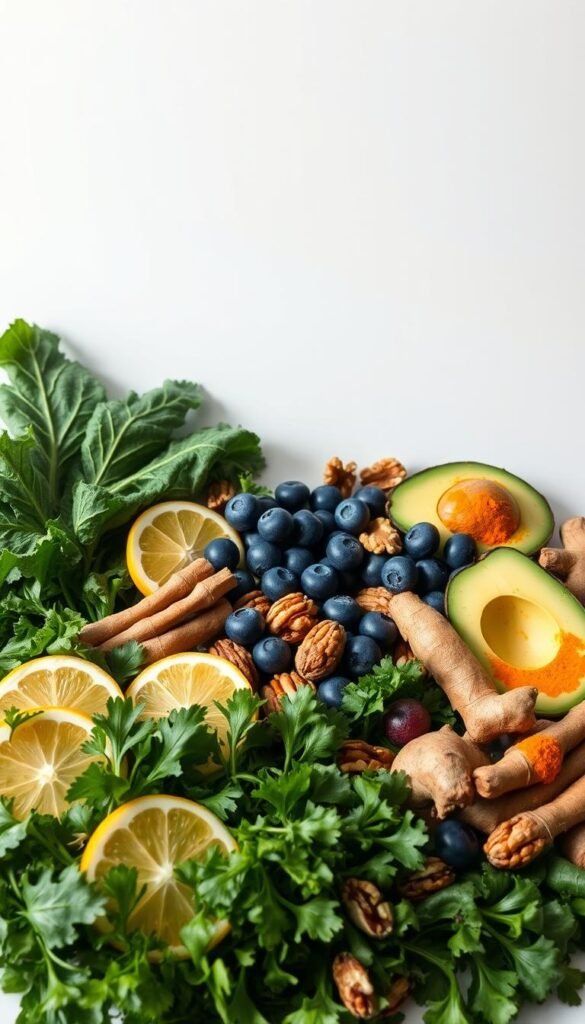
Eating liver-supporting foods helps with weight management. Cruciferous vegetables like broccoli and cabbage boost detox enzymes. They help your liver process toxins better.
Artichokes improve bile production and flow. Bile helps remove fat-soluble toxins and aids in fat digestion. Artichokes are good for liver health, as shown by Patient First research.
Beets have betaine for methylation and pectin fiber for toxin binding. This combo helps eliminate toxins.
Garlic activates liver enzymes and fights off harmful gut bacteria. Its sulfur compounds are beneficial.
Leafy greens like spinach bind toxins for elimination. The darker the greens, the more chlorophyll they have.
Citrus fruits like lemons and grapefruits stimulate detox enzymes. Starting with warm lemon water boosts morning detox.
Turmeric has curcumin, which protects liver cells and boosts detox. Adding black pepper increases curcumin absorption.
| Liver-Supporting Food | Key Compound | Primary Benefit | Recommended Serving |
|---|---|---|---|
| Cruciferous Vegetables | Sulforaphane | Activates detox enzymes | 1-2 cups daily |
| Artichokes | Cynarin | Stimulates bile production | 1 medium artichoke 3x weekly |
| Beets | Betaine | Supports methylation | 1 cup cooked or raw 4x weekly |
| Garlic | Allicin | Activates liver enzymes | 2-3 cloves daily |
| Turmeric | Curcumin | Reduces inflammation | 1-2 teaspoons daily |
Milk thistle is a top liver-protective herb. Studies show it’s good for liver health. N-acetylcysteine (NAC) boosts glutathione production.
Dandelion root and artichoke extract support liver detox. Always choose food first and talk to a doctor before adding supplements.
Daily Practices for Liver Support
Good habits help your liver work better. Limiting or eliminating alcohol is key. Too much alcohol harms liver function.
Alcohol makes acetaldehyde, a toxin that damages liver cells. Even a little drinking can stress the liver during a cleanse.
Stay away from environmental toxins. Choose organic produce, use natural products, and filter your water. This reduces toxin exposure.
Castor oil packs are a traditional liver detox support. Apply cold-pressed castor oil to a cloth, cover with plastic and a heating pad, and rest for 30-60 minutes. This may help liver detox.
Managing stress is important for liver health. Chronic stress raises cortisol, which can harm the liver. Try meditation, deep breathing, or yoga to reduce stress.
Quality sleep is vital for liver detox at night. Aim for 7-9 hours of sleep to help your liver detox fully.
Hydration Strategies for Toxin Elimination
Drinking enough water makes your body a strong toxin remover. Water carries nutrients to your cells and takes out waste. Without enough water, your kidneys can’t filter blood well, and toxins build up.
Drinking water is key for losing weight and detoxing. When you lose weight, your body releases toxins from fat cells. Drinking water helps get rid of these toxins through urine, sweat, and breath.
Your body works in a water-based environment. Cells repair themselves and break down nutrients for energy. This process releases waste products that can harm you if they build up. So, drinking water is essential for any toxin elimination diet.
Optimal Water Intake for Detoxification
The basic rule for water intake guidelines is 8-10 glasses a day, or 64-80 ounces. This helps your kidneys filter blood and remove waste. But, your needs can change based on your body weight and activity level.
Your body weight affects how much water you need. A common rule is to drink half your body weight in ounces. So, a 150-pound person needs 75 ounces, and a 200-pound person needs 100 ounces.
Being active also changes your water needs. Add 12 ounces of water for every 30 minutes of exercise. Hot or dry weather makes you lose more water through sweat and breathing. During intense detox, drink 20-30% more water to help flush out toxins.
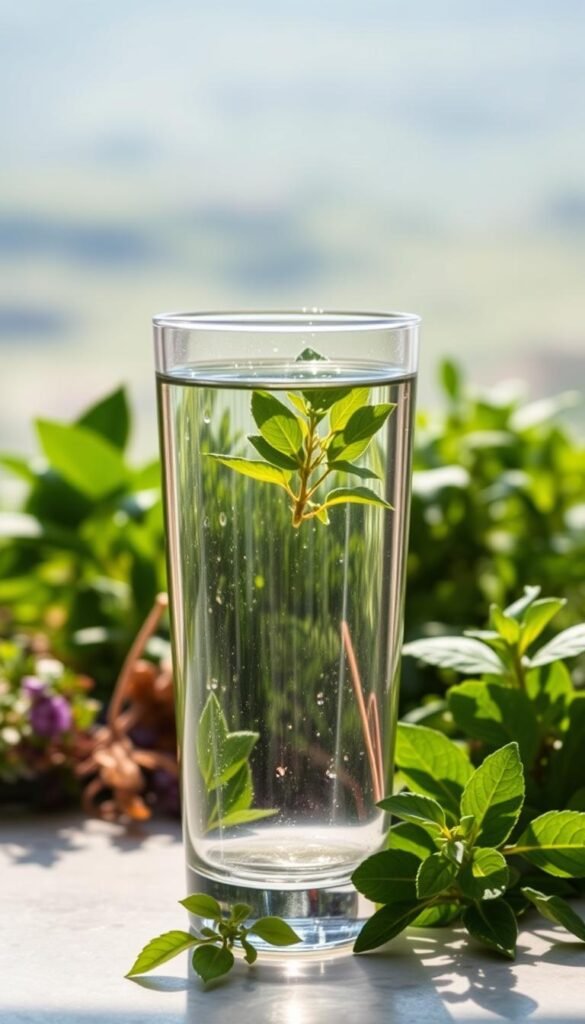
Checking if you’re hydrated is easy. Look at your urine color. If it’s pale yellow, you’re good. Dark yellow or amber means you need more water. You should pee every 2-3 hours when you’re drinking enough.
Drinking filtered water helps avoid toxins in tap water. Chlorine, fluoride, and heavy metals can slow down detox. Use activated carbon filters or reverse osmosis systems to remove these contaminants.
Drinking water at the right times helps detox better. Drink a lot when you wake up to rehydrate and help your bowels. Drink water between meals to avoid diluting digestive enzymes. Drink more in the morning and afternoon to avoid waking up at night to pee.
| Body Weight | Baseline Daily Water | With Moderate Exercise | During Active Detox |
|---|---|---|---|
| 130 lbs | 65 oz (8 cups) | 89 oz (11 cups) | 98 oz (12 cups) |
| 160 lbs | 80 oz (10 cups) | 104 oz (13 cups) | 120 oz (15 cups) |
| 190 lbs | 95 oz (12 cups) | 119 oz (15 cups) | 142 oz (18 cups) |
| 220 lbs | 110 oz (14 cups) | 134 oz (17 cups) | 165 oz (21 cups) |
The Role of Electrolytes in Natural Detox
Keeping your electrolyte balance right is important for detox. Electrolytes like sodium and potassium help your muscles and nerves work right. They also help keep your body hydrated and balanced.
Detox can mess with your electrolyte balance. Drinking less water and losing minerals through sweat can be a problem. Eating less salt can also be a problem if you’re not getting enough from other foods.
Not getting enough minerals can make it hard to absorb water. This can lead to a condition where your cells get too full of water. This is called hyponatremia.
Knowing when your electrolyte balance is off is important. Muscle cramps and weakness can mean you need more potassium or magnesium. Heart problems, confusion, and headaches are signs of bigger issues. Feeling tired and weak can also mean you’re not getting enough sodium.
There are natural ways to keep your mineral levels right during detox. Drinking mineral-rich vegetable broth is a good idea. It has sodium, potassium, and other minerals that your body needs.
Adding a bit of sea salt or Himalayan pink salt to your water can help too. These salts have minerals that help your cells work right. Use a small amount, about one-eighth teaspoon per quart, to avoid too much sodium.
Eating foods rich in potassium and magnesium is also important. Foods like bananas and spinach have potassium. Foods like pumpkin seeds and dark chocolate have magnesium. These minerals help your heart and muscles work right.
Coconut water is a natural way to get the right mix of electrolytes. It has potassium, sodium, and magnesium in the right amounts. Choose raw, unpasteurized coconut water without added sugars for the best benefits. Drink 8-16 ounces a day when you’re detoxing hard or after exercising.
You can also make your own electrolyte drinks. Mix 16 ounces of water with lemon or lime juice, honey or maple syrup, and a bit of sea salt. This drink helps you stay hydrated and replenishes minerals. Drink it during long fasts or after hard workouts.
Lifestyle Practices That Enhance Natural Detoxification
Movement, rest, and self-care help your body get rid of toxins and lose weight. Eating clean gives your body what it needs to detox. But these lifestyle habits make your body work better at getting rid of toxins.
How you live affects how well your body cleanses itself. Simple changes in your daily life can make a big difference. These changes help your body get rid of toxins more efficiently.
Exercise for Toxin Release Through Sweating
Exercise helps your body get rid of toxins in many ways. It boosts blood flow, bringing oxygen and nutrients to your cells and removing waste. This helps your liver and kidneys get rid of toxins.
Exercise also helps your lymphatic system. This system moves fluid through your body without a pump. When you move, your muscles help push this fluid along, helping get rid of waste.
Sweating is another key benefit of exercise. It helps get rid of toxins like heavy metals and chemicals. Your skin acts as a detox organ when you sweat, helping your body.
Regular exercise is linked to living longer and avoiding many health problems. This includes type 2 diabetes, heart disease, and some cancers.
The CDC says you should exercise for 150-300 minutes a week. That’s about 20-45 minutes a day. During a detox, moderate exercise is best. Too intense can stress your body and make it harder to get rid of toxins.
Good exercise for detox includes:
Brisk walking for 30-45 minutes a day is good for your heart. Walking outside in nature also helps reduce stress and supports detox.
Gentle yoga or stretching combines movement with deep breathing. Some yoga poses help your lymphatic system and improve digestion. Yoga also helps you breathe better and get rid of toxins.
Swimming or water aerobics is great for your body and joints. The water helps your lymphatic system, making it a good choice for detox.
Rebounding on a mini-trampoline is great for your lymphatic system. The bouncing helps move lymph fluid through your body.

Using a sauna or steam room can help detox. Try to go for 15-30 minutes, 3-5 times a week. Start slow if you’re new to heat therapy. Always drink water before and after.
Sleep Quality and Detoxification
Sleep is when your body does its best detox work. During sleep, your brain cleans out waste, including proteins linked to brain diseases. This is a key part of detox.
Getting enough sleep helps your body detox in many ways. It supports your immune system and helps break down fat. This is where many toxins are stored.
Good sleep helps control your hormones. It keeps cortisol levels right, which is important for detox and weight control. Bad sleep can mess with these levels, making detox harder.
Not enough sleep can make you hungry and crave unhealthy foods. Less than 6-7 hours of sleep a night can lead to weight gain and poor detox.
Your liver works best at night. It’s when your body is most focused on getting rid of toxins. Not enough sleep means your liver can’t do its job as well.
Here are some tips for better sleep and detox:
Stick to a sleep schedule every day. This helps your body get into a rhythm. It’s good for your hormones and detox.
Make your bedroom dark, cool, and quiet. The right temperature is 65-68°F. Darkness helps your body make melatonin, which is good for sleep and detox.
Avoid screens before bed. They can mess with your sleep. If you must use devices, wear glasses that block blue light.
Don’t drink too much caffeine or eat big meals close to bedtime. They can keep you awake and hurt your digestion.
Stress Management for Hormonal Balance
Too much stress hurts your body’s ability to detox and manage weight. It raises cortisol levels, which is bad for your body. Stress makes your body focus on survival over repair and detox.
Stress also uses up important nutrients. This makes detox harder. It’s a cycle where stress hurts detox, leading to more toxins and less nutrients.
Stress messes with your gut health. It changes your gut bacteria and makes your gut more leaky. This lets toxins into your blood and makes inflammation worse.
Good stress management helps your body detox and balance hormones:
Meditate daily for 10-20 minutes. It lowers cortisol levels. Simple breathing exercises can help too.
Being in nature lowers stress and cortisol. Even a short walk outside can help. Nature and movement together are great for detox.
Gentle exercises like yoga or tai chi are good for stress and detox. They combine physical activity with mindfulness and breathing.
| Stress Management Technique | Time Required | Primary Benefits | Best Timing |
|---|---|---|---|
| Meditation | 10-20 minutes | Cortisol reduction, mental clarity, emotional regulation | Morning or before bed |
| Deep Breathing | 5-10 minutes | Immediate stress relief, parasympathetic activation | As needed throughout day |
| Nature Exposure | 20-30 minutes | Cortisol reduction, mood enhancement, vitamin D production | Midday for sunlight benefits |
| Gentle Yoga | 30-45 minutes | Physical and mental stress relief, lymphatic support | Morning or evening |
Dry Brushing and Lymphatic Drainage Techniques
Manual therapies like dry brushing help your body get rid of toxins. Your lymphatic system moves waste through your body. Unlike your heart, it needs muscle contractions and breathing to work.
Dry brushing is a simple way to help your lymphatic system. Use a natural-bristle brush on dry skin before showering. It boosts circulation and helps move waste.
Here’s how to dry brush:
Start with your feet and brush up toward your heart. Use long strokes and gentle pressure. This helps your lymphatic system move waste.
Brush your hands and arms up toward your shoulders. Pay extra attention to your armpits. Use circular motions here.
Brush your stomach in a clockwise direction. This follows your colon and helps with digestion and detox.
Gently brush your neck down toward your collarbones. This area has important lymph nodes. It helps your body get rid of waste.
Dry brushing takes 5-10 minutes a day. It’s a great morning routine to get you energized.
Self-lymphatic drainage massage is another way to help detox. It’s different from deep tissue massage because it’s gentler. It helps move waste through your body.
Focus on areas with big lymph nodes like your neck, armpits, and groin. Use light, circular motions. Start near your collarbones and work your way down.
Professional therapies like manual lymphatic drainage and acupuncture can also help. They work with your body’s natural detox processes.
Combining these techniques with a clean diet, exercise, good sleep, and stress management is key. It helps your body get rid of toxins in many ways.
Monitoring Your Progress and Adjusting Your Approach
Your body gives you clues during detox. Learning to listen to these signs helps you lose weight safely. Tracking your detox journey is more than just weighing yourself every day.
By monitoring and adjusting, your detox becomes a personal wellness plan. Your body, lifestyle, and health history shape how you detox. Being open to your body’s needs leads to lasting results.
Tracking Weight Loss and Energy Levels
Tracking your detox progress means watching more than just your weight. Your scale only shows part of the story. Focusing too much on weight can hide important improvements.
Step on the scale at the same time each day. But remember, daily weight changes are normal. These changes come from water, bowel movements, and hormones, not fat.
Body measurements can show progress when the scale doesn’t. Take your waist and hip measurements weekly. These can show you’re losing fat and gaining muscle, even if the scale doesn’t change.
Your energy levels tell you a lot about your detox. Rate your energy from 1 to 10 at different times of the day. Stable energy means balanced blood sugar and good nutrition.
Keep a daily journal of these important details:
| Progress Indicator | What to Track | Positive Changes |
|---|---|---|
| Sleep Quality | Time to fall asleep, nighttime awakenings, morning restfulness | Falling asleep faster, fewer disruptions, waking refreshed |
| Digestive Function | Bowel movement frequency and consistency, bloating levels | Regular movements, well-formed stools, reduced discomfort |
| Mental Clarity | Focus ability, concentration span, mood stability | Sharper thinking, sustained attention, emotional balance |
| Physical Symptoms | Joint pain, headaches, skin condition, allergies | Reduced pain, fewer headaches, clearer skin, less sensitivity |
| Food Cravings | Intensity of desires for sugar, caffeine, processed foods | Diminishing cravings, easier control, preference for whole foods |
Non-scale victories are often more meaningful than weight loss. Better energy, sleep, digestion, skin, and fewer cravings show detox success at a cellular level.
Don’t expect too much weight loss at first. You might lose 3-5 pounds in the first week, mostly water. Then, expect to lose 1-2 pounds a week.
Some people might see a weight plateau or gain during detox. This is normal as your body adjusts to new foods and heals.
Recognizing Detox Symptoms Versus Warning Signs
It’s important to know the difference between normal detox symptoms and serious signs. This helps you stay safe and healthy during detox.
Healing crises can happen during detox. You might feel bad, have headaches, feel dizzy, have diarrhea, cramps, bloating, body aches, fatigue, mood swings, and weakness. This is because of toxins, low blood sugar, low fluids, electrolyte imbalance, and withdrawal from substances.
Common detox symptoms usually start within 3-5 days and should go away in a week. Headaches from caffeine or not drinking enough water are common. Feeling tired and low in energy is normal as your body gets used to new foods and gets rid of toxins.
Mild digestive changes are normal as your body gets used to more fiber and different foods. You might have diarrhea, constipation, gas, or bloating as your gut microbiome changes. Mood swings, feeling anxious or emotional are signs of your brain adjusting to cleaner fuel.
You might feel muscle aches and joint discomfort as inflammation goes down. Skin breakouts or rashes can happen as toxins leave your body through your skin. A coated tongue, bad breath, or stronger body odor are signs of waste elimination.
These symptoms mean your detox is working. Drink more water, eat enough electrolytes, and rest more. If you’re too tired, reduce exercise, take warm baths, and manage stress. If needed, eat more calories or protein.
But, some signs need immediate help. Severe headaches, vision changes, and extreme tiredness mean you need to see a doctor. Severe diarrhea or vomiting can cause dehydration. Dizziness, chest pain, irregular heartbeat, or big changes in blood pressure are emergencies.
Severe mood swings, depression, or anxiety need professional help. Signs of dehydration, like dark urine, extreme thirst, dry mouth, sunken eyes, and less urination, need quick action. Severe muscle weakness or cramps could mean an electrolyte imbalance.
Trust your instincts. Any symptom that worries you should be checked. Detox should make you feel better, not worse. Ignoring severe symptoms can harm you.
When to Modify Your Detox Plan
Knowing when to change your detox plan keeps it safe and effective. Adjusting based on your body’s feedback shows wisdom, not weakness.
Change your plan if symptoms get worse or last too long. Feeling extremely weak or unable to do daily tasks means your detox is too hard. People with health issues like diabetes or kidney disease need special care when changing their diet.
Be careful with medications, as diet changes can affect how they work. Feeling very hungry or obsessed with food means your detox is too strict. Too much stress or life demands might make your detox too hard to keep up with.
If you don’t see any benefits after 1-2 weeks, your detox might not be right for you. Everyone reacts differently to diet changes, so what works for one person might not work for another.
Consider these strategies to modify your detox:
Add more nutrients by eating more protein from sources like legumes, nuts, seeds, or clean animal proteins. Increase food portions and calories if you’re always hungry or tired.
Make your detox simpler by cutting back on fasting days if they make you too weak. Reduce exercise intensity or duration while your body adjusts. Take longer to make diet changes to avoid shock.
Focus on the basics instead of trying to change everything at once. Focusing on a few key changes, like cutting out processed foods and drinking more water, can be more effective.
Take a break and start again when you can. Life gets in the way, and sometimes it’s better to pause your detox and keep eating healthy than to struggle with a hard plan.
The goal is to support your health, not add stress or harm. Listen to your body with curiosity, not judgment. Be flexible in your detox plan. Remember, detoxing for weight loss is a personal journey that needs attention to your unique needs and how you respond.
Conclusion
Your body can heal itself in amazing ways. To lose weight naturally, you should help your body, not force it. The liver, kidneys, and digestive system work hard to get rid of toxins. They need the right food and water to do their job.
Starting a detox is easy with simple choices every day. Eat whole foods, drink enough water, exercise, and sleep well. These habits help your body clean itself naturally, leading to better health.
Weight loss happens slowly, about 1-2 pounds a week. This slow pace is better for keeping weight off than quick diets. You might feel more energetic, think clearer, digest better, and feel less inflamed.
Don’t try to change everything at once. Start with small steps and listen to your body. Some like detoxing seasonally, while others keep healthy habits all year.
Now you know how to make choices that are good for your body. Start with something small today, like drinking water or eating veggies. Small actions can lead to big changes over time.
For More Weight Loss Topics Click Here

- PACK OF NUTRITION & FLAVORFUL TEAS – Discover a pack of nutrition and flavorful teas with our Dandelion Root Tea. Carefu…
- SOURCED FROM THE PREMIUM PLANTATIONS IN INDIA – Sourced from the premium tea plantations of India. Our teas are hand-plu…
- EMBRACE A BALANCED LIFESTYLE.- Add this tisane that smells good, tastes good, and does good to your daily regime to put …

- Extended Supply Convenience: AOR Gandha-600 provides a 240-day supply of 600 mg capsules, reducing reorder frequency for…
- Potency Assured: Each capsule contains 600 mg of potent 10:1 ashwagandha extract, allowing adults to assess potency with…
- Detailed Herbal Transparency: Standardized to typically 2.5% withanolides and 0.1% sitoindosides, AOR Gandha-600 facilit…