What if making a balanced morning meal was easy? You don’t need complicated recipes or a lot of time. Many people skip breakfast because they think it’s hard to eat well.
Your morning routine doesn’t need a big change. You just need a simple practical formula that fits what you have at home. This way, you can start your day off right without much effort.
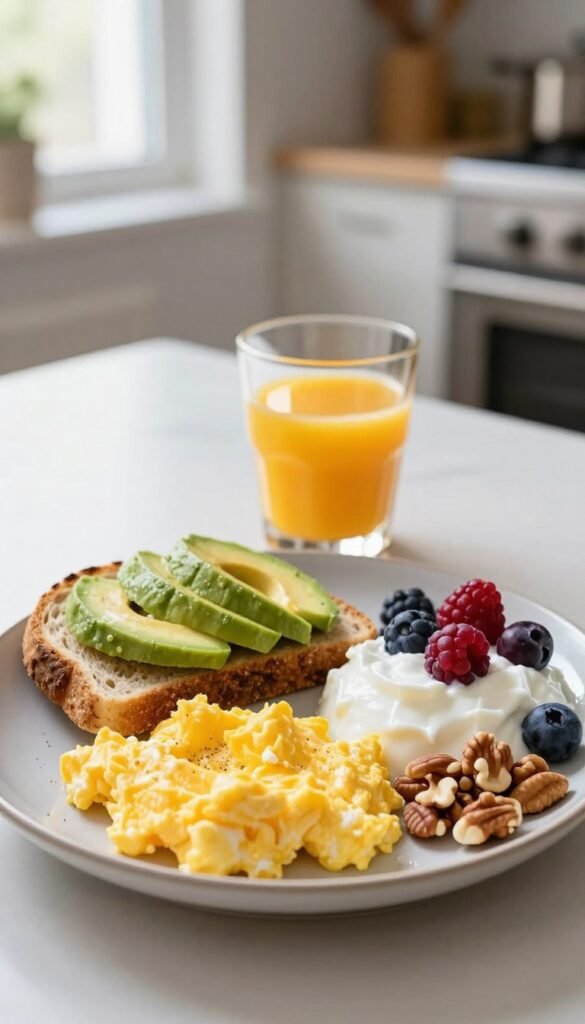
A healthy breakfast plate has four key parts: fiber, protein, fats, and carbs. These work together to give you energy all morning. You don’t need to be a chef to make these meals.
The trick isn’t about strict meal plans. It’s about making intentional choices with fresh ingredients that are easy to prepare. This way, you can enjoy a healthy breakfast without feeling stressed or overwhelmed.
1. Why Your Morning Meal Determines Your Daily Success
Breakfast is key to your daily success. Many people used to skip it, relying on coffee and granola bars. But, they found that eating in the morning makes a big difference.
Starting with foods high in protein, healthy fats, and vitamins boosts your energy and helps with weight control. It’s not hard to make breakfast a healthy habit.
The Science Behind Breakfast and Energy Levels
Your body needs fuel to work right. When you sleep, it uses stored energy. Waking up, your glucose levels are low.
Eating breakfast boosts your metabolism and fills up glycogen stores. This improves your energy and focus in the morning.
Research shows eating soon after waking boosts calorie burning. Skipping breakfast makes your body conserve energy, not burn it. This can make it harder to manage your weight.
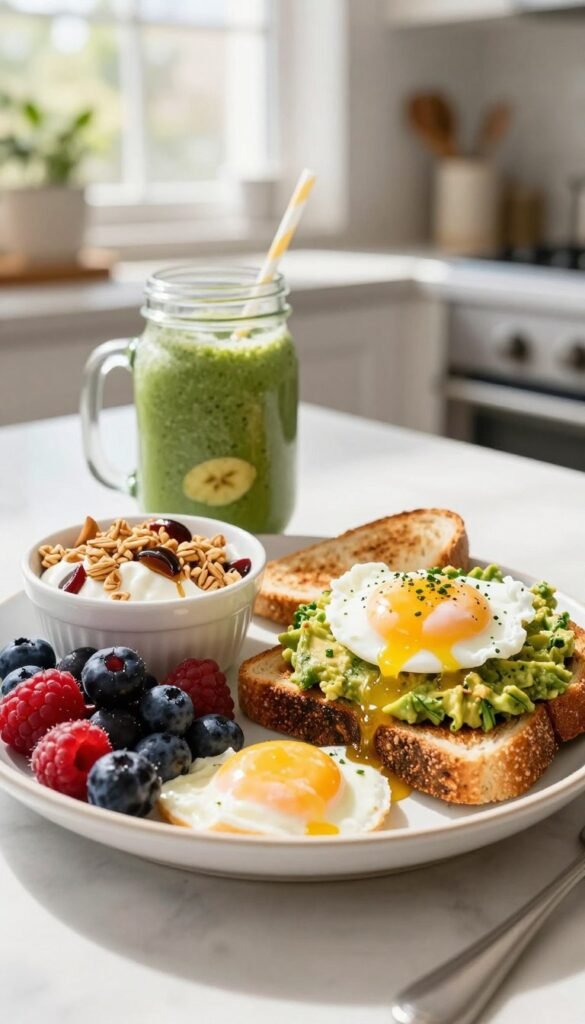
The type of breakfast you choose is important. A mix of protein, complex carbs, and healthy fats gives you energy all morning. This avoids the energy crashes that make you crave snacks.
How Your First Meal Affects Metabolism and Mental Focus
Your brain needs a lot of energy, even though it’s small. It needs glucose to work well. Eating well in the morning helps your brain and focus.
Studies show breakfast eaters do better in memory and problem-solving. Protein helps make neurotransmitters that control mood and motivation.
Eating breakfast boosts your metabolism by 10-15%. This helps you burn more calories all day.
Your first meal sets your day’s hormonal balance. Eating breakfast helps control hunger and fullness hormones. This prevents overeating later.
Breaking the Overnight Fast: What Your Body Needs
After not eating for 8-12 hours, your body starts breaking down muscle. Eating breakfast stops this and helps grow muscle.
Your body needs protein, complex carbs, and healthy fats to restart. Protein fixes tissues and makes neurotransmitters. Carbs refill energy stores. Healthy fats support hormones and energy.
The first meal of the day gives your body nutrients it’s been missing. Making smart choices sets you up for energy and good decisions all day.
Vitamins and minerals are key for energy use. B vitamins help with carbs, and iron and magnesium help with energy production. Foods like fruits, veggies, and whole grains give these nutrients.
Drinking water or herbal tea before breakfast helps your digestion. Hydration improves nutrient use and supports your body’s processes.
| Nutrient Category | Primary Function | Morning Benefits | Best Food Sources |
|---|---|---|---|
| Protein | Tissue repair and satiety | Sustained energy, reduced cravings | Eggs, Greek yogurt, lean meats, legumes |
| Complex Carbohydrates | Immediate energy supply | Brain fuel, glycogen restoration | Oats, whole grain bread, quinoa, sweet potato |
| Healthy Fats | Hormone production | Long-lasting energy, nutrient absorption | Avocado, nuts, seeds, olive oil |
| Vitamins & Minerals | Metabolic processes | Energy conversion, immune support | Berries, leafy greens, citrus fruits |
When you eat breakfast, you get many benefits. Eating within 30-90 minutes of waking is best. This helps your body use nutrients efficiently.
Knowing how breakfast affects your body helps you make better choices. The right foods at the right time give you energy, focus, and better choices all day.
2. Essential Components of a Healthy Breakfast Plate
A balanced breakfast is simple. It turns random foods into lasting energy. Knowing what goes on your plate makes meal planning easy. This way, your body gets what it needs to start the day right.
The Balanced Plate Method for Your Morning Meal
The balanced plate method divides your breakfast into sections. Each section is a food group that adds unique benefits. This makes it easy to create nutritious breakfasts without needing to plan too much.
Your plate should have one item from each of four groups. Start with fiber sources like berries, apples, sweet potatoes, or seasonal fruits. Add seeds or chia pudding for extra texture and energy.
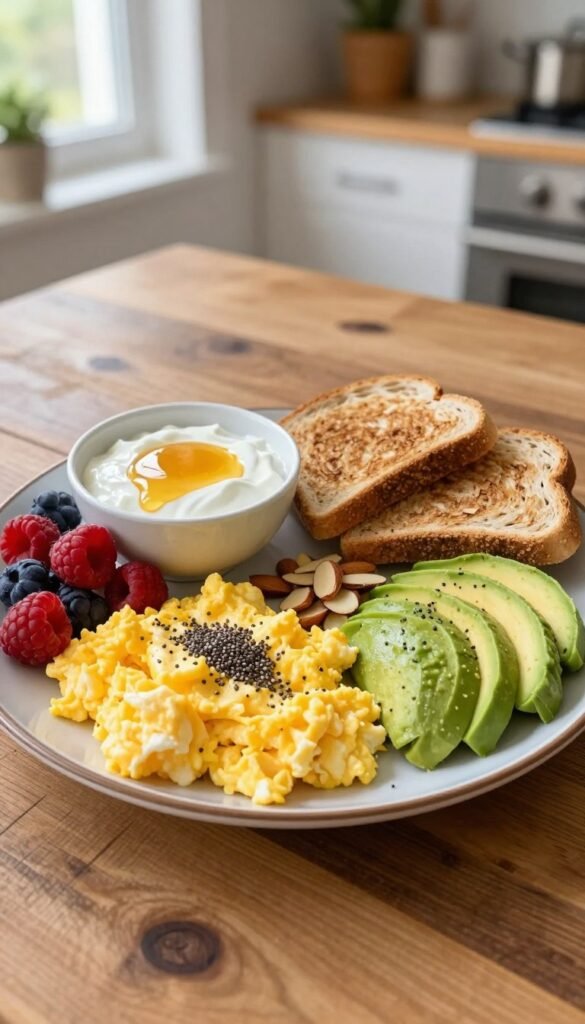
Next, add healthy fats from eggs, cheese, nut butter, or olive oil. These fats keep you full and prevent hunger later. Then, include protein like Greek yogurt, eggs, or cottage cheese. Aim for about 30 grams.
Lastly, add carbohydrates such as a bagel, toast, oats, or honey on fruit. Carbs give you quick energy. Combining these groups in your breakfast boosts energy and stabilizes blood sugar.
Understanding Macronutrient Distribution
Macronutrients—protein, carbs, and fats—do different jobs in your body. The right mix in your breakfast keeps you full and energized. Knowing this helps you make sure your breakfast supports your goals.
Experts say to focus on protein at breakfast. Higher protein at breakfast helps you feel full and control your appetite. Aim for 30 grams of protein.
| Macronutrient | Recommended Range | Primary Function | Example Sources |
|---|---|---|---|
| Protein | 25-35g (30-35%) | Muscle maintenance, satiety, thermogenesis | Greek yogurt, eggs, cottage cheese, lean meats |
| Carbohydrates | 30-40g (35-45%) | Quick energy, brain function, fiber delivery | Oats, whole grain toast, sweet potatoes, fruit |
| Fats | 15-25g (20-30%) | Hormone production, vitamin absorption, satiety | Avocado, nuts, seeds, olive oil, whole eggs |
A good breakfast has 400-500 calories from these nutrients. The exact amounts depend on your activity and health goals. But this gives a good starting point for most adults.
“The quality of your breakfast isn’t measured by calories alone, but by the balance of nutrients that work together to sustain energy and focus throughout your morning.”
The Role of Vitamins and Minerals in Your Breakfast
Breakfast should also have vitamins and minerals for energy and health. Diverse breakfasts ensure you get all the essential nutrients.
B vitamins, like B12 and folate, boost energy and help make red blood cells. Find them in eggs, dairy, and fortified grains. Vitamin D and calcium are key for bones, making yogurt and fortified milk great choices.
Iron helps carry oxygen, preventing fatigue. Get it from spinach and fortified cereals. Vitamin C in foods like strawberries boosts iron absorption.
Magnesium helps turn food into energy. Nuts, seeds, and whole grains are rich in it. Potassium keeps fluids balanced and supports heart health, found in bananas and sweet potatoes.
Portion Sizes That Support Your Goals
Knowing the right portion sizes is key. Visual cues help you gauge without measuring. Your plate can guide you in portion control.
For protein, aim for a palm-sized portion of meat or fish, or one cup of Greek yogurt. This gives 25-30 grams of protein. Whole grains and starches should be a cupped handful or one slice of bread.
Healthy fats are calorie-dense, so keep portions small. A tablespoon of nut butter, a quarter avocado, or 10-12 nuts is enough. Fruits and vegetables should fill about one-third of your plate, or one to two cups.
A superfood breakfast plate shows how to apply these principles. Try raw almonds, blueberries, raspberries, kale, avocado, Greek yogurt, hemp seeds, chia seeds, and a hard-boiled egg. This mix gives about 423 calories, with a good balance of nutrients.
Understanding these components makes meal planning flexible. Adapt healthy breakfast ideas to your taste, dietary needs, and what you have. Aim for balanced nutrition to boost energy and focus all morning.
3. Protein-Packed Breakfast Choices for Sustained Energy
Creating a protein-packed breakfast is easy and doesn’t need to be complicated. Focus on foods that are high in nutrients. This helps you feel full and energized all morning.
Choosing the right protein for breakfast is key. It keeps your energy up until lunch. This section will show you different protein sources for every diet.
High-Quality Animal-Based Protein Sources
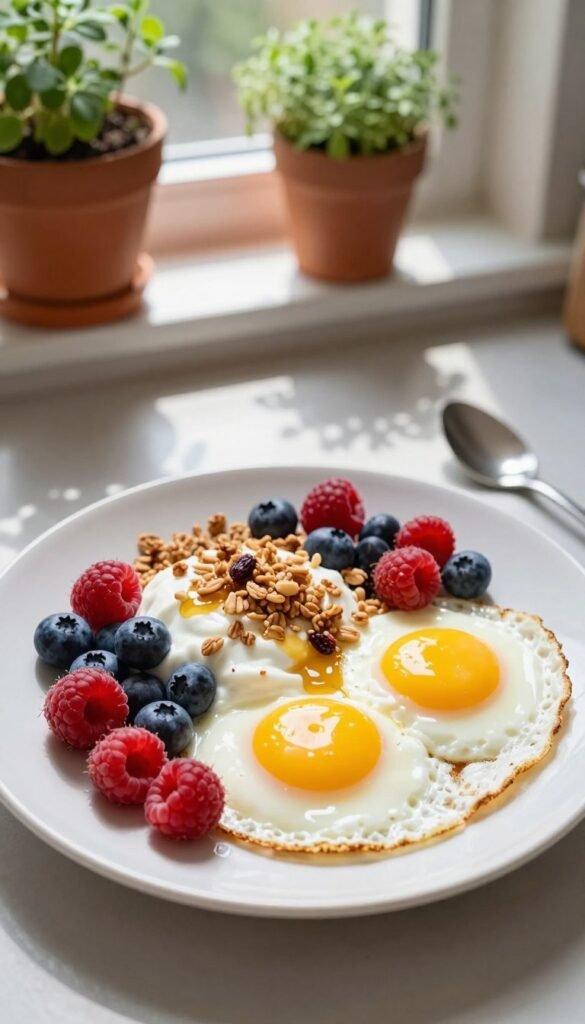
Eggs are a great start for a protein-rich breakfast. You can make omelets, scramble eggs, or fry them sunny-side up. Each egg has about 6 grams of protein.
Egg bites are perfect for on-the-go. Bake them in muffin tins for a quick breakfast. Hard-boiled eggs are also easy to prepare and pack.
Greek yogurt is a top choice for dairy. It has 15-20 grams of protein per cup. Add hemp seeds and chia seeds for extra protein and healthy fats.
Cottage cheese is another good option with 14 grams of protein per half cup. You can eat it plain or mix it with fruit. Wild salmon is a unique choice with 23 grams of protein per 3-ounce serving.
Breakfast casserole and shakshuka are great for a restaurant-quality meal at home. They combine eggs, vegetables, and proteins for a complete breakfast.
Plant-Based Protein Alternatives for Every Diet
For those who don’t eat animal products, there are plenty of options. Nuts like almonds, walnuts, and Brazil nuts are high in protein and healthy fats.
Nut butters make ordinary toast or oatmeal into protein-rich meals. Almond butter adds 7 grams of protein to your breakfast. Seeds like flax, hemp, and chia are also good sources of protein.
Quinoa is a surprising breakfast ingredient with 8 grams of protein per cup. Use it in breakfast cookies for a protein-packed snack. These cookies are great for busy mornings.
Legumes like black beans are great for savory breakfasts. They have 15 grams of protein per cup. Tofu scrambles are another option with 10 grams of protein per half cup.
How Much Protein You Actually Need in the Morning
Research shows you should aim for about 30 grams of protein in the morning. This keeps you energized until lunch. But, your needs may vary based on your body and activity level.
A good rule of thumb is 0.4-0.5 grams of protein per kilogram of body weight at breakfast. For a 150-pound person, that’s about 25-30 grams. Athletes might need a bit more.
It’s easier to reach your protein goal by mixing different sources. For example, two eggs, Greek yogurt, and almonds give you about 28 grams of protein. A tofu scramble with quinoa and hemp seeds is a plant-based option with similar protein content.
| Protein Source | Serving Size | Protein Content | Preparation Time |
|---|---|---|---|
| Scrambled Eggs | 2 large eggs | 12 grams | 5 minutes |
| Greek Yogurt | 1 cup | 17 grams | 1 minute |
| Cottage Cheese | 1/2 cup | 14 grams | 1 minute |
| Almond Butter | 2 tablespoons | 7 grams | 1 minute |
| Quinoa (cooked) | 1 cup | 8 grams | 15 minutes |
Meal prep is key to getting enough protein. Cook hard-boiled eggs, portion Greek yogurt, and make egg bites for quick reheating. These steps save time and ensure you get enough protein.
Your breakfast should focus on protein but also include other important nutrients. A mix of quality protein, whole grains, healthy fats, and vegetables is the best way to stay energized and healthy all day.
4. Whole Grain Breakfast Options and High-Fiber Morning Foods
Choosing the right carbs at breakfast can make a big difference. Whole grains give you energy, nutrients, and fiber for better digestion and blood sugar control. They turn your morning meal into a health boost.
Complex carbs are key for a good breakfast. They give you energy slowly, unlike refined carbs that cause quick spikes. This steady energy helps you stay focused and feel full longer.
Best Whole Grains to Include on Your Plate
Oats are a great choice for breakfast. You can make them in many ways, like baked oatmeal or overnight oats. They’re easy to make and keep you full.
Steel-cut oats in an Instant Pot are quick and creamy. Try savory oatmeal with veggies and an egg for something different. Whole oat porridge is comforting and can be topped with your favorite things.
Change up your toppings to keep breakfast interesting. Try nut butter, fresh fruit, or Greek yogurt for extra nutrition. This keeps your breakfasts exciting and healthy.
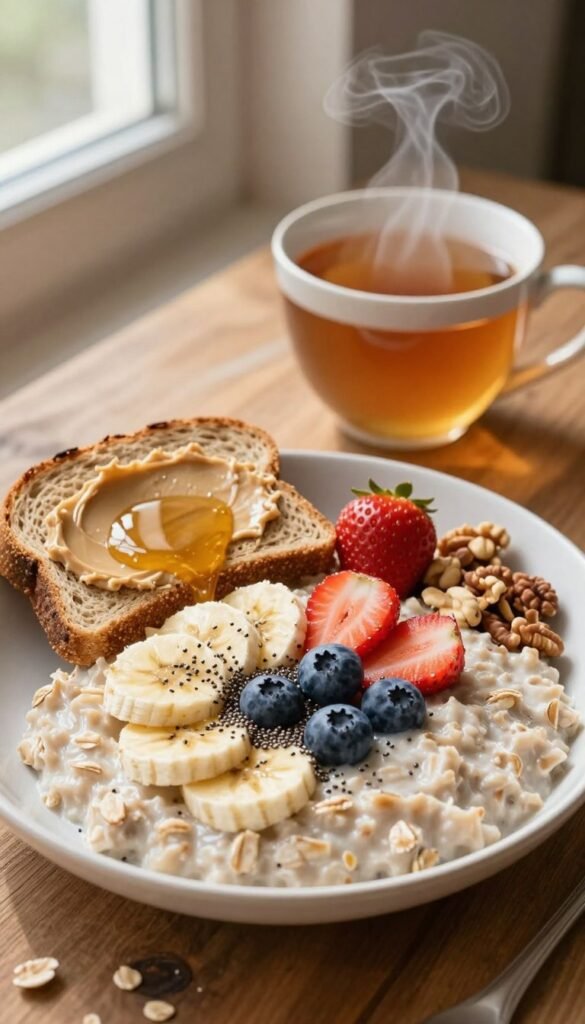
Other whole grains are great for breakfast too. Quinoa with almond milk and fruit is a complete protein. Farro has a nutty taste and chewy texture.
Brown rice is good for breakfast bowls, inspired by Asian dishes. Look for whole grain bread and English muffins for quick options. Choose products with whole grain flour first.
Quick breads like banana or pumpkin are comforting and healthy. They’re perfect for meal prep. Pancakes and waffles with whole grain flours freeze well for quick breakfasts.
| Whole Grain | Fiber per Serving | Preparation Time | Best Preparation Method |
|---|---|---|---|
| Steel-Cut Oats | 4g per 1/4 cup dry | 20-30 minutes | Instant Pot or overnight slow cooker |
| Quinoa | 3g per 1/2 cup cooked | 15 minutes | Cook like rice, add sweet or savory toppings |
| Farro | 5g per 1/2 cup cooked | 25-30 minutes | Batch cook and reheat with almond milk |
| Whole Grain Bread | 3-4g per 2 slices | 2 minutes | Toast and top with nut butter and fruit |
Fiber Content and Its Impact on Satiety
Fiber is key for a good breakfast. It keeps you full and helps you avoid snacking too soon. This helps you stay energized until lunchtime.
Fiber slows down digestion and nutrient absorption. This prevents quick blood sugar spikes and insulin crashes. Your body gets a steady flow of glucose.
Adults need 25-35 grams of fiber daily, with 7-10 grams from breakfast. Most people don’t get enough. Eating whole grains for breakfast helps meet this goal.
“Dietary fiber intake is associated with reduced risk of cardiovascular disease, type 2 diabetes, and certain types of cancer. Starting your day with adequate fiber sets a positive trajectory for your overall dietary pattern.”
Fiber also supports your digestive health. It helps with regular bowel movements and feeds good gut bacteria. This improves your mood and immune system.
Soluble fiber in oats helps remove cholesterol. Insoluble fiber in whole wheat speeds up digestion. Both are important for heart health and regular bowel movements.
Avoiding Refined Carbohydrates and Sugar Crashes
Refined carbs are a common breakfast mistake. They lack fiber, vitamins, and minerals. They quickly turn to sugar in your body.
White bread, bagels, and most cereals are bad choices. They taste good but lead to energy crashes in a few hours.
Refined carbs quickly raise your blood sugar. This triggers insulin, then a crash. You’ll feel hungry and tired soon after.
Read labels to avoid hidden refined carbs and added sugars. Look for whole grain flour first. Avoid products with many names for sugar.
Added sugars are hidden in many foods. They raise your blood sugar quickly. Choose foods with less sugar for better energy.
The glycemic index (GI) helps you choose better breakfasts. Low GI foods digest slowly, keeping your blood sugar stable. Whole grains are usually low GI.
Adding protein, healthy fats, and fiber to your breakfast lowers the GI even more. For example, oatmeal with nuts and berries is better than plain oatmeal.
Switching to whole grains is easy. Start by replacing one refined item with a whole grain each week. You’ll feel better and want to keep eating healthier.
5. Nutritious Breakfast Ideas: From Bowls to Burritos
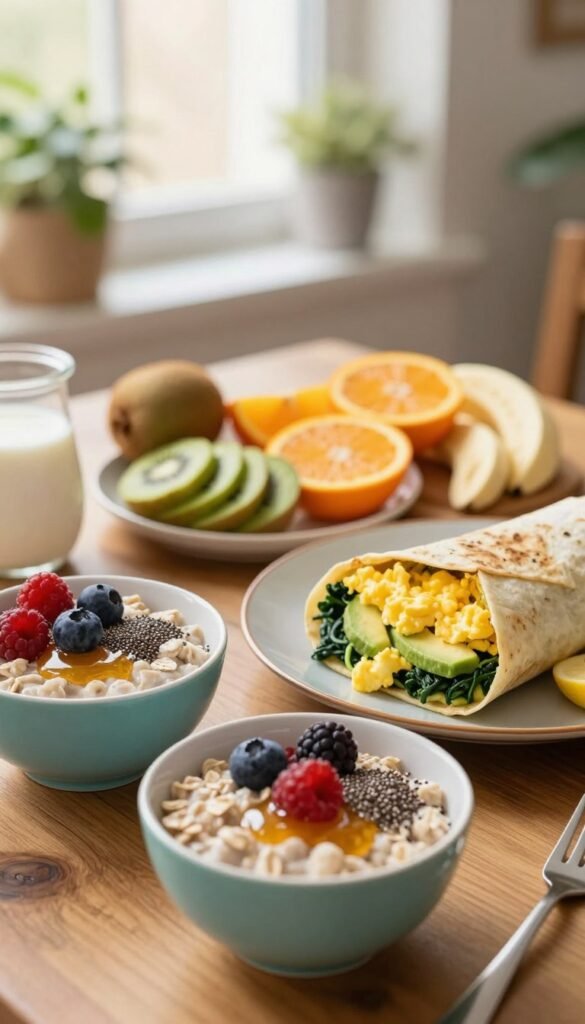
Looking for nutritious breakfast ideas? Start by exploring different ways to prepare meals. Balanced eating becomes easy when you mix and match ingredients. This way, your morning meal becomes a feast for your taste buds and body.
Breakfast formats are flexible for any schedule or diet. You can make them fresh or batch-cook for the week. The key is to find what works for you and your lifestyle.
| Breakfast Format | Preparation Time | Make-Ahead Friendly | Primary Benefits |
|---|---|---|---|
| Breakfast Bowls | 5-10 minutes | Moderate | Customizable, visually appealing, portion control |
| Vegetable-Based Plates | 10-15 minutes | High (roasted vegetables) | High fiber, low calorie, nutrient-dense |
| Breakfast Burritos | 15 minutes (batch) | Excellent (freezer-friendly) | Portable, complete nutrition, convenient |
| Breakfast Casseroles | 45-60 minutes | Excellent (serves 6-8) | Feeds multiple people, cost-effective |
Creating Complete Nutrition in a Single Bowl
Breakfast bowl recipes let you mix all essential nutrients in one dish. You can layer ingredients to make a visually appealing meal. This way, your bowl becomes a canvas for nutrition.
Start with a whole grain base like brown rice or quinoa. Add protein from eggs, chicken, or tofu. Then, layer roasted veggies like Brussels sprouts or butternut squash. Finish with a sauce like pesto for healthy fats.
Sweet bowls are just as nutritious. Use chia pudding or warm quinoa as a base. Top with berries, banana, or mango for sweetness. Add nuts or nut butter for protein and healthy fats.
The beauty of bowl meals lies in their adaptability—you can use whatever ingredients you have on hand while maintaining nutritional balance.
Try recipes like Tamago Kake Gohan with avocado and egg over brown rice. Or, make a farmers market bowl with local eggs and veggies. Cinnamon quinoa breakfast bowls offer plant-based protein and warming spices.
Incorporating Vegetables for Maximum Nutrition
Vegetables are key to boosting morning nutrition. They add volume without extra calories and provide fiber for longer satiety. Colorful produce boosts your breakfast’s nutritional density.
Leafy greens like spinach and kale are great in scrambled eggs. They add iron, calcium, and folate without changing flavor. Sautéed spinach with garlic makes a savory base for any protein.
Roasted broccoli and Brussels sprouts add satisfying crunch to bowls. Red bell peppers add vitamin C and color, whether fresh or roasted. Tomatoes bring acidity and umami to your meals.
Cucumber slices and radishes add refreshing crunch. They balance richer breakfast items and add hydration and minerals. Vegetables should make up a third to half of your plate.
Building Portable and Balanced Morning Wraps
Breakfast burritos are perfect for busy mornings. They combine all essential nutrients in a convenient format. You can make them fresh in minutes or prep for the week.
Start with whole grain tortillas for fiber and energy. Fill with scrambled eggs or tofu, black beans, and sautéed veggies. Add avocado for healthy fats.
Try classic breakfast tacos or heartier options with roasted sweet potatoes. Vegan versions use shiitake bacon and dairy-free cheese. This way, your burrito is nutritionally balanced and delicious.
When freezing burritos, cool all ingredients first to avoid soggy tortillas. Wrap tightly in parchment and foil, labeling with contents and date. Frozen burritos reheat in just three minutes.
Your burrito is nutritionally optimized with a whole grain wrap, protein, veggies, avocado, and optional dairy. This mix gives 20-30 grams of protein and keeps you full until lunch.
Mastering Casseroles for Efficient Meal Preparation
A well-designed breakfast casserole makes weeknight meals easy. It’s perfect for extra time on Sunday or feeding a crowd. You can mix any proteins, veggies, and grains while keeping it balanced.
Use whole grain bread or cooked quinoa as a base. Add eggs and cheese for richness. Layer in veggies like broccoli and tomatoes for nutrition.
Assemble by whisking eggs with milk, then pour over ingredients. Bake at 350°F for 35-45 minutes. It’s ready when a knife comes out clean.
Portion the casserole for easy reheating. Each portion reheats in 90 seconds or three minutes in a toaster oven. This method gives you five to eight breakfasts from one session.
Try different flavors like southwestern, Mediterranean, or Italian. Each variation keeps the nutritional balance while adding unique tastes.
6. Breakfast Meal Prep Strategies That Save Time and Money
Smart breakfast meal prep saves you time and money. It makes mornings less chaotic. By planning ahead, you can enjoy a smooth breakfast routine, even on busy days.
Knowing which foods prep well is key. Many breakfast items taste better when made ahead. This makes meal prep a quality boost, not a sacrifice.
Planning ahead makes breakfast a healthy choice by default. Your future self will thank you for it.
Planning Your Weekly Meal Prep Recipes
Start with weekly planning for a successful meal prep routine. Choose three to four core meal ideas that meet your needs and likes. This variety keeps things interesting and manageable.
Think about your schedule when picking recipes. Choose easy-to-grab options for busy days. Save time for sit-down meals when you can enjoy them.
Buy ingredients that can be used in many ways. Greek yogurt and eggs are great examples. They can be used in many different breakfast dishes.
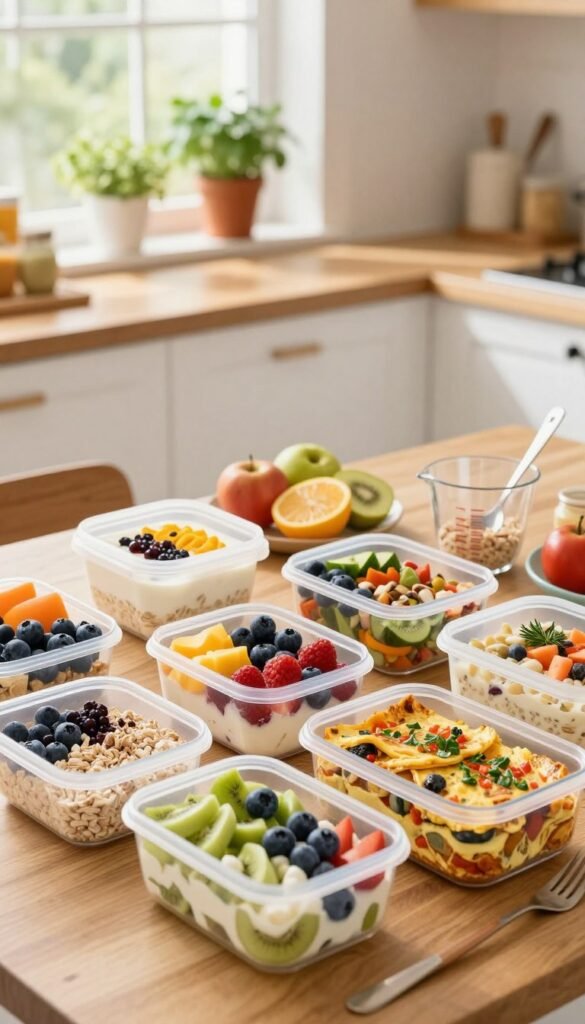
Choose a prep time when you’re most focused. Sunday afternoon works for many, but find what fits your life. Consistency is more important than the day.
Failing to plan is planning to fail. This is true for breakfast, where morning willpower is low.
Batch-Cooking Techniques for Breakfast Success
Batch-cooking boosts your efficiency. Double your weekend batch of pancakes or waffles and freeze them. They thaw quickly for a fast breakfast.
Breakfast burritos are super versatile. Make a dozen on Sunday with eggs, black beans, and cheese. Wrap them in foil or parchment and freeze.
These burritos thaw fast in the microwave. You can make them with or without meat, depending on your diet.
Baked goods like cookies and muffins freeze well. Make a big batch and freeze individual servings. This keeps them fresh and prevents waste.
Freeze quick breads like zucchini and pumpkin. Each slice defrosts in under two minutes. This is perfect for any season.
Make overnight oats in big batches for quick breakfasts. Mix the base ingredients in a large bowl. Then, portion them into jars with different toppings. Store them in the fridge for the best texture.
Boil several eggs on Sunday night for the week. Store them unpeeled in the fridge for up to seven days. They add protein to any breakfast or snack.
Freeze smoothie packs for easy mornings. Portion fruit, veggies, and superfoods into containers. In the morning, blend them with milk or juice. This saves time and ensures nutrition.
Storage Solutions and Shelf Life Guidelines
Proper storage keeps your breakfast items fresh. Know which containers work best for each food. This prevents waste and keeps flavors intact.
Use glass containers with airtight lids for refrigerated items. They’re easy to clean and don’t absorb odors. For frozen items, use freezer-safe containers or bags to prevent freezer burn.
Label everything with prep dates using masking tape and a marker. This helps you use items before they go bad. It keeps your food fresh and safe.
| Breakfast Item | Storage Method | Shelf Life | Reheating Tips |
|---|---|---|---|
| Hard-boiled eggs | Refrigerator (unpeeled) | 7 days | Serve cold or room temperature |
| Frozen breakfast burritos | Freezer in foil wrap | 3 months | Microwave 2-3 minutes, flip halfway |
| Overnight oats | Refrigerator in sealed jars | 5 days | Serve cold or warm briefly |
| Baked goods (muffins, bread) | Freezer in individual portions | 3 months | Thaw at room temp or microwave 30 seconds |
| Smoothie packs | Freezer in zip bags | 3 months | Blend frozen with liquid |
For veggies, slice radishes and cucumbers the night before. They stay fresh and colorful. Store them in containers with damp paper towels.
Organize your fridge with a breakfast zone. Keep all your prep items together. This makes mornings easier and faster.
Creating a Breakfast Nook Setup for Efficient Morning Routines
Your kitchen setup affects your breakfast success. A dedicated breakfast nook or prep area makes mornings smoother. It makes healthy choices easier.
Designate a cabinet for breakfast supplies. Stock it with oats, nuts, and other staples. This saves time and effort.
Place your coffee maker, toaster, and blender in a compact area. This breakfast station streamlines your prep and cooking.
If you have space, create a breakfast nook. It’s a place to enjoy meals without distractions. This encourages you to slow down and appreciate your food.
Store often-used items in clear containers. Mason jars with granola and dried fruit are both pretty and remind you of healthy options. They help you make better choices in the morning.
Keep a basket with grab-and-go items for busy days. Include protein bars, nut butter packets, and fresh fruit. This ensures you never leave home hungry.
Use a timer or set reminders for prep sessions. Consistency turns meal prep into a habit. It becomes automatic and less of a chore.
7. Quick Five-Minute Solutions for Busy Mornings
You can make a nutritious breakfast in just five minutes. It’s all about having the right ingredients ready. This way, your morning meal is quick and easy, not a big cooking task.
Most mornings don’t need fancy recipes or cooking skills. Success comes from having good ingredients and knowing how to mix them. Your breakfast becomes a thoughtful choice, even when it’s quick.
Preparation is key. Keep your kitchen stocked with easy-to-eat foods and prep a bit on the weekends. Weekdays become much easier. Simple mixes often give you more nutrition than complicated meals.
No-Cook Balanced Morning Meal Options
No-cook breakfasts are perfect for busy days. They’re quick and give you all the nutrients you need to start your day right.
Overnight oats are a top choice for no-cook breakfasts. Mix oats with milk or yogurt the night before. In the morning, they’re creamy and ready to eat. Add berries, nuts, and honey for a delicious start.
Chia pudding works the same way. Mix chia seeds with milk, add flavorings, and refrigerate overnight. It becomes a fiber-rich, omega-3 packed pudding by morning.
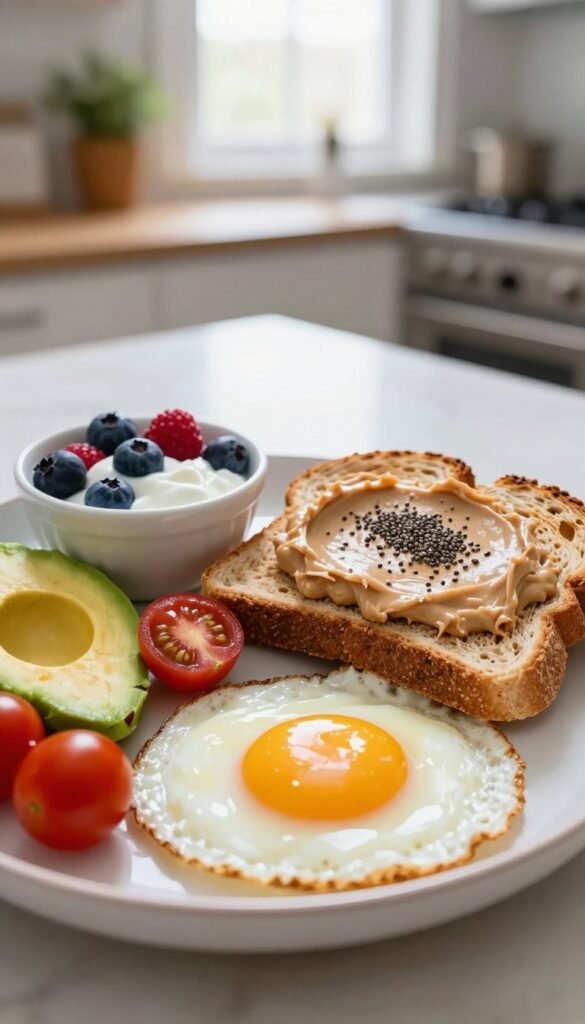
Fresh fruits are perfect for breakfast. Clementines, grapes, and berries are easy to prepare. They pair well with protein like Greek yogurt or cottage cheese for a quick, balanced meal.
Simple assembly plates are versatile. Arrange ingredients like hard-boiled eggs, cherry tomatoes, almonds, and whole grain crackers on your plate. This makes a nutritious breakfast in no time.
Most mornings don’t need fancy recipes. Success comes from having quality ingredients ready. This way, your breakfast is both quick and nutritious.
Grab-and-Go Breakfast Ideas That Don’t Compromise Nutrition
Your commute doesn’t have to ruin your nutrition goals. Grab-and-go breakfasts are nutritious and mess-free, perfect for eating on the go.
Breakfast cookies and energy balls are great for quick nutrition. Make them with whole foods like oats, nut butter, seeds, and dried fruit. They’re dense and satisfying, ready for the week.
Pre-made smoothies are another great option. Blend ingredients the night before and refrigerate. Shake well in the morning. For even quicker mornings, freeze ingredients in bags. Blend with liquid and you’re off.
Toast variations are quick and travel well. Spread with avocado, hummus, ricotta, or nut butter. Each option is nutritious and takes less than three minutes. Whole grain bread adds fiber for sustained energy.
For those who like breakfast potatoes, prep them in advance. Dice and roast with olive oil and seasonings on Sunday. Reheat quickly in the microwave. Pair with an egg and fruit for a filling breakfast.
Portable breakfast containers are a game-changer. Use leak-proof containers with separate sections. Pack protein, veggies, fruits, and carbs separately. This keeps food fresh and lets you customize your breakfast.
Using Leftovers to Build a Healthy Breakfast Plate
Leftover dinner can be a great breakfast. It saves food and expands your morning options. This approach is both nutritious and time-saving.
Cooked grains from dinner make great breakfast bases. Leftover rice, farro, or quinoa topped with an egg and yesterday’s veggies is a nutritious bowl. It reheats fast or tastes great cold.
Roasted veggies are versatile for breakfast. They work well with eggs, in burritos, or with yogurt. They add savory flavors to your morning.
Proteins from dinner are also great for breakfast. Leftover chicken, salmon, or turkey can top a salad or fill a wrap. This saves time and ensures you get enough protein.
Proper storage is key for leftover breakfasts. Store ingredients separately for flexibility. Label containers to keep food safe.
Here are some simple leftover combinations:
- Roasted sweet potato + scrambled eggs (cook eggs fresh) + leftover sautéed greens
- Cooked quinoa + Greek yogurt + roasted vegetables + drizzle of olive oil
- Brown rice + soft-boiled egg + leftover roasted Brussels sprouts + hot sauce
- Leftover breakfast potatoes + scrambled eggs + leftover roasted peppers
These combinations break breakfast rules but offer better nutrition than many traditional options. Your body doesn’t care if it’s “breakfast” or “dinner.” It just needs the nutrients.
Temperature matters with leftovers. Some are great cold, others need a quick reheat. Try different temperatures to find what you like.
Breakfast doesn’t have to be complicated. Keep staples on hand, prep lightly, and let your meals change with the seasons and your cravings.
There are many quick breakfast options. Choose no-cook, grab-and-go, or leftover meals. This way, you can always start your day right without wasting time.
8. Common Breakfast Mistakes You Need to Avoid
Many people make breakfast mistakes that hurt their energy and nutrition. Even those who eat breakfast every day can fall into traps. Knowing these mistakes helps you make a better breakfast routine.
For years, many have relied on coffee and granola bars instead of real meals. This approach doesn’t give enough fuel. Making small changes to your routine can make a big difference in how you feel all day.
Sneaky Sweeteners and Salt in Morning Staples
Many breakfast foods seem healthy but have hidden sugar and sodium. Flavored oatmeal packets can have 12-16 grams of sugar. Granola often has more sugar than a glazed donut.
Reading nutrition labels helps you make better choices. Look for added sugars like corn syrup and fruit juice concentrate. These add flavor but increase sugar intake.
Breakfast cereals for adults have 8-12 grams of sugar per cup. Flavored yogurts can have 20-25 grams in one container. Even healthy-looking options like breakfast bars and protein drinks can be high in sugar and sodium.
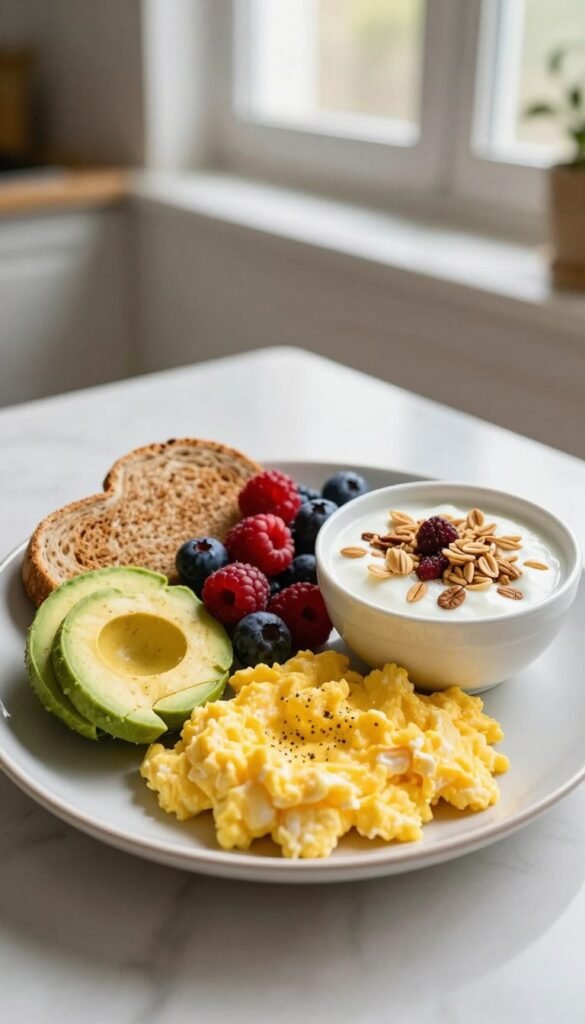
Be careful when choosing packaged foods for your clean eating breakfast. Choose options with less than 6 grams of sugar per serving. Look for sodium levels below 200 milligrams per serving for most breakfast items.
| Breakfast Item | Perceived Health Level | Actual Sugar Content | Better Alternative |
|---|---|---|---|
| Flavored instant oatmeal | Very healthy | 12-16g per packet | Plain oats with fresh fruit |
| Granola cereal | Healthy | 10-15g per serving | Unsweetened muesli |
| Fruit-flavored yogurt | Healthy | 20-25g per container | Plain Greek yogurt with berries |
| Breakfast bars | Moderately healthy | 8-12g per bar | Homemade energy balls |
Missing Food Groups That Matter
Skipping important food groups can make you feel tired and hungry. Vegetables and healthy fats are often left out of breakfast. This leaves you missing key nutrients and feeling hungry sooner.
Many people focus only on grains and protein for breakfast. Without vegetables, you miss out on fiber and vitamins. Adding spinach to eggs or tomatoes to toast makes your meal much healthier.
Healthy fats from avocados, nuts, seeds, and olive oil help you feel full and give you energy. These fats slow digestion and prevent blood sugar spikes. Without enough fat, you might snack too early.
Changing up your breakfast keeps it interesting and ensures you get all the nutrients you need. Eating the same thing every day can get boring and lead to nutritional gaps.
When More Becomes Too Much
Even healthy foods can become calorie bombs if you eat too much. Foods like nuts, nut butters, granola, and dried fruit need careful portioning. A small handful of almonds can have 200-300 calories.
A proper portion of nut butter is two tablespoons, but many people use much more. Granola servings are usually much smaller than what most people eat. These small mistakes can add up quickly.
Finding the right portion sizes doesn’t mean you have to measure everything. Visual guides can help you estimate portions. A serving of protein should be about the size of your palm, and a serving of grains fits in your cupped hand.
Even healthy foods need reasonable amounts. Eating 500-600 calories of nutritious foods at breakfast is usually enough. But eating 800-1000 calories can make you feel sluggish and exceed your daily calorie needs.
Getting the Clock Right
Timing your breakfast can affect how well it fuels you. Eating too soon after waking can cause discomfort. Waiting too long can trigger stress hormones that affect your metabolism.
The best time for breakfast is 30 minutes to two hours after waking. This allows your body to adjust from fasting. It also prevents extreme hunger that can lead to poor choices or overeating.
Not eating enough calories at breakfast can lead to energy crashes and snacking. Your morning meal should give you enough energy for 3-4 hours. Eating too little can make you overeat later.
Eating too much breakfast can make you feel full and tired. Your breakfast should energize you, not weigh you down. Finding the right balance takes some trial and error but is worth it for sustained energy.
Breaking free from breakfast ruts requires variety. Eating the same thing every day can lead to nutritional gaps and boredom. Rotating ingredients and preparation methods keeps your routine fresh and ensures you get all the nutrients you need.
While chocolate chip muffins might have been a favorite, not all traditional breakfasts are good for you now. Being aware of these common mistakes helps you create a nourishing morning routine that supports your health goals.
9. Conclusion
Your journey to better mornings begins with simple choices. Choose a few breakfast ideas that fit your schedule and taste. You don’t need to memorize dozens of recipes to succeed.
Start with one new breakfast mix this week. Include protein, fiber, and healthy fats. Keep your pantry full of versatile items. Spend 30 minutes on Sunday meal prep for the next five days.
Your breakfast doesn’t need to be perfect for Instagram. It should fuel your body and fit your life. Eating scrambled eggs with veggies is better than skipping a fancy dish.
Ingredients change with the seasons. Summer brings berries and tomatoes. Winter is for root veggies and grains. This keeps your routine interesting without needing big changes.
Don’t be afraid to try new things. Some dishes will become favorites. Others won’t make the cut. It’s all part of finding what works for you.
The breakfast habit you build now will grow over time. Each morning you choose nourishment, you invest in energy, focus, and health. Your future self will be grateful for starting today.