Did you know that Americans consumed over 8 million pounds of matcha last year? This vibrant jade-colored tea has become a big hit in the US. It started as an ancient Japanese tradition.
Matcha is a finely ground powder from special tea leaves. Unlike regular tea, you drink the whole leaf. This gives you a big dose of nutrients and antioxidants.
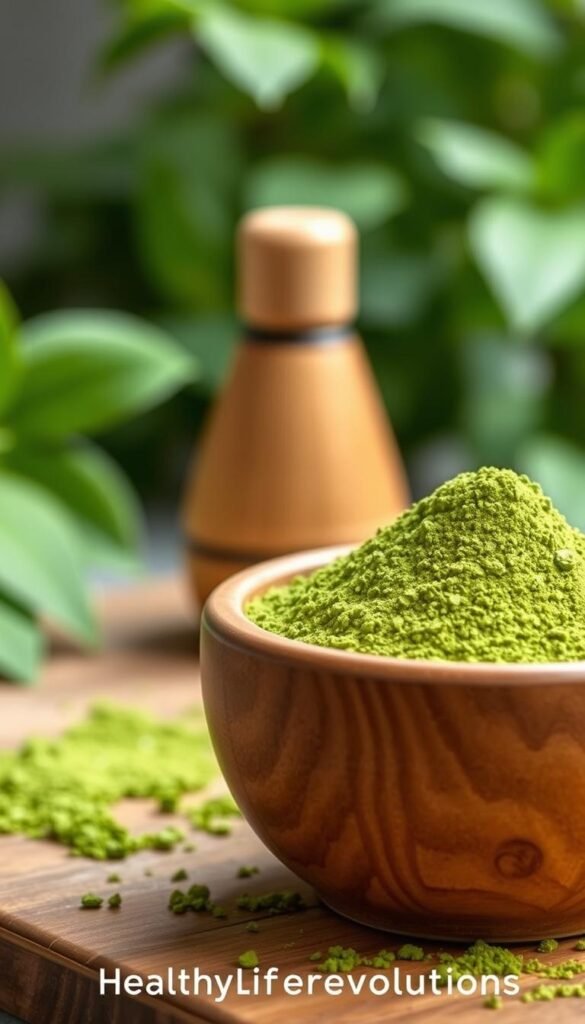
Health lovers, trendy coffee shops, and wellness fans all love matcha. It gives you energy that lasts, without the jitters of coffee.
In this article, we’ll dive into matcha’s history and impressive health benefits. We’ll also cover different grades, how to prepare it, and easy ways to add it to your day. Whether you’re new to matcha or want to learn more, this guide will show you why it’s great for your health.
Key Takeaways
- Matcha has up to 137 times more antioxidants than regular green tea because you drink the whole leaf.
- The powder gives you energy and clear thinking thanks to its mix of caffeine and L-theanine.
- There are ceremonial and culinary grades of matcha, each for different ways of making it.
- Traditional making involves whisking the powder with hot water using special Japanese methods.
- Matcha has moved from ancient Japanese tea ceremonies to modern American wellness.
- It offers many health benefits, like helping your metabolism and boosting your immune system.
What Is Matcha and Why Is It So Popular?
Matcha is different from regular green tea because you drink the whole leaf. This green powder is made from tea leaves grown in the shade and ground into a fine powder. Drinking matcha means you get all the nutrients and antioxidants from the leaf, not just what steeping leaves behind.
The powder mixes well with water or milk, giving a smooth drink with a unique taste. It’s more potent than brewed tea because you drink the whole leaf.
The Ancient Origins of Japanese Matcha Tea
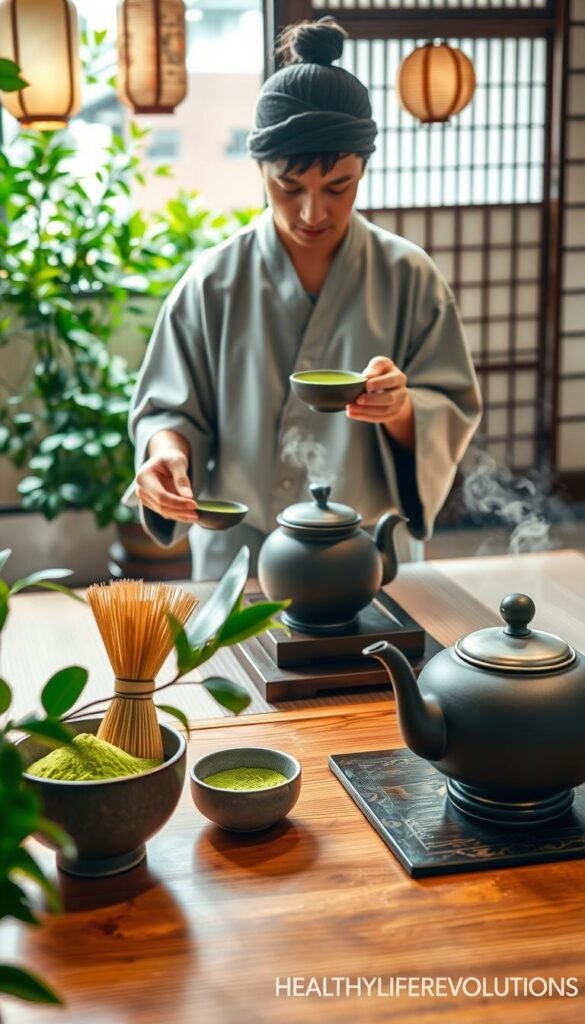
In the 12th century, Zen Buddhist monks in Japan found matcha’s amazing benefits. They used it to stay alert and calm during long meditation. This practice linked matcha to spiritual rituals and mindfulness.
Tea farmers use the same methods today as they did centuries ago. They shade the tea plants for weeks to increase chlorophyll, making the leaves bright green. This process also boosts the amino acids, like L-theanine, which helps monks stay focused.
After picking, the leaves are steamed to stop oxidation. Then, they are dried and the stems and veins are removed. The grinding process takes about an hour to make 30 grams of powder.
Stone mills grind the leaves slowly to keep the flavor and nutrients intact. This careful process shows the dedication to quality in making matcha.
From Traditional Tea Ceremonies to Modern Wellness Trend
Matcha went from being a sacred part of Japanese tea ceremonies to a global wellness trend. These ceremonies were about more than tea; they were about harmony, respect, and tranquility. Every step was choreographed with precision.
In the early 2010s, coffee shops in the US started serving matcha lattes. This was perfect timing for people looking for natural energy sources.
Social media helped matcha become even more popular. Its bright green color made drinks Instagram-worthy. Wellness influencers loved it for its energy boost without the crash.
Matcha’s appeal lies in its antioxidants, energy, and versatility. It’s used in smoothies, baked goods, and even savory dishes. This adaptability keeps matcha relevant today.
Now, matcha is enjoyed in many ways, from traditional ceremonies to modern recipes. It’s a symbol of wellness and a bridge between ancient traditions and today’s culture.
The Impressive Health Benefits of Matcha
Matcha is packed with nutrients because of its special growing method. Tea plants are shaded before harvest, which boosts their nutrient levels. This process, along with drinking the whole leaf, makes matcha a powerhouse of health benefits.
Matcha’s health benefits come from its mix of antioxidants, amino acids, and other compounds. Unlike supplements, matcha offers a complete mix of nutrients. This mix is why matcha keeps showing up in research as a health booster.
Powerful Plant Compounds: EGCG and Beyond
Matcha is loved for its antioxidants, with epigallocatechin gallate (EGCG) being the star. EGCG is a type of catechin that’s very good at fighting off free radicals.
Matcha has a lot more EGCG than regular green tea. This is because you drink the whole leaf, not just the water. This makes matcha a supercharged version of green tea.
Antioxidants like EGCG protect your cells from damage. This damage, called oxidative stress, can lead to aging and health problems.
Matcha also has other beneficial catechins like epicatechin (EC), epicatechin gallate (ECG), and epigallocatechin (EGC). These compounds work together to protect your cells and support your body’s defenses.
Sustained Energy Without Unwanted Side Effects
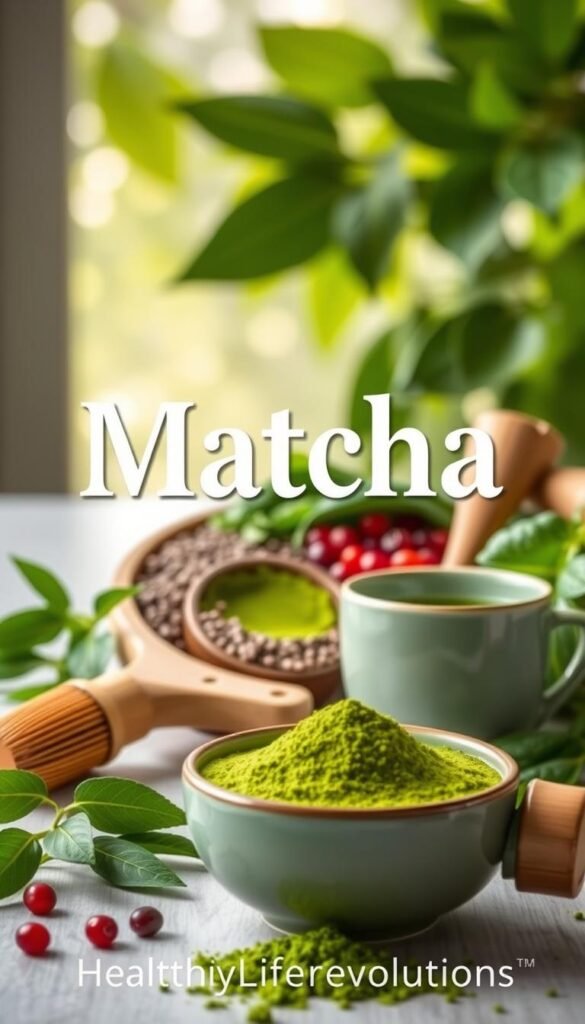
Coffee can give you a quick energy boost but then make you jittery. Matcha is different because of its unique mix of caffeine and L-theanine.
Matcha has about 70 milligrams of caffeine per serving. This amount gives you energy without making you too jittery. L-theanine, found in shade-grown tea plants, helps you stay calm and focused.
L-theanine makes you feel calm but alert. It slows down how caffeine is absorbed, giving you steady energy. This energy lasts for four to six hours.
Matcha’s caffeine and L-theanine mix helps you stay focused and productive. You won’t feel anxious or crash later. It’s great for long work sessions or studying.
Cognitive Enhancement and Mental Performance
Matcha is good for your brain and mental skills. Studies have shown it can improve attention, reaction time, and memory.
Matcha’s caffeine and L-theanine mix boosts your brain power. One study found matcha drinkers did better on tasks that need focus than those who didn’t drink it.
L-theanine also boosts mood and motivation. It does this by increasing dopamine and serotonin, which are important for feeling good.
Matcha might also protect your brain from damage. Its antioxidants could help keep brain cells healthy. Early studies suggest it could help your brain stay sharp as you get older.
Cardiovascular Support and Natural Cleansing
Matcha is good for your heart too. Studies have linked green tea, including matcha, to better heart health.
Matcha’s catechins might help keep your cholesterol levels healthy. They could also help with blood pressure. This is based on research that shows matcha can improve these heart health markers.
Matcha is also full of chlorophyll, which is green. Chlorophyll helps your body detox naturally. It’s the green pigment in plants that gets concentrated in matcha leaves.
Chlorophyll might help remove toxins and heavy metals from your body. It works with your liver and kidneys to keep you clean. This support is gentle and doesn’t replace your body’s detox systems.
| Beneficial Compound | Primary Function | Concentration in Matcha | Key Health Impact |
|---|---|---|---|
| EGCG | Antioxidant protection | 137x higher than regular tea | Cellular defense, metabolic support |
| L-Theanine | Amino acid for calm focus | 5x higher than regular tea | Stress reduction, mental clarity |
| Caffeine | Natural stimulant | 70mg per serving | Sustained energy, alertness |
| Chlorophyll | Detoxification support | Extremely high levels | Natural cleansing, alkalizing |
| Vitamin C | Immune support | 6x higher than regular tea | Antioxidant activity, collagen production |
Matcha is a superfood because of its rich mix of nutrients. It’s packed with antioxidants, amino acids, and other compounds that support your health. The way it’s grown and prepared makes it a concentrated source of wellness.
Understanding Different Grades of Matcha Powder
When you look for matcha, you’ll see prices vary a lot. They can go from $10 to over $50 per ounce. The grade of matcha affects both its quality and how you use it. Knowing about matcha grades helps you avoid spending too much on the wrong type.
Not all green tea powders are real matcha. There are two main types: ceremonial and culinary. Each has its own purpose in cooking and drinking. Learning about these differences helps you make better choices based on your needs and budget.
Ceremonial Grade Matcha: The Premium Choice
Ceremonial grade matcha is the highest quality. It’s made from the youngest tea leaves picked in the first spring. Farmers remove stems and veins before grinding the leaves into a fine powder.
This process makes the matcha smooth and delicate. The vibrant jade-green color shows it’s fresh and well-made. It tastes sweet with a hint of umami and little bitterness.
Expect to spend between $25 and $50 per ounce for authentic ceremonial grade matcha. The high price is because of the hard work in growing and processing the tea. Many people think it’s worth it for daily tea ceremonies and special events.
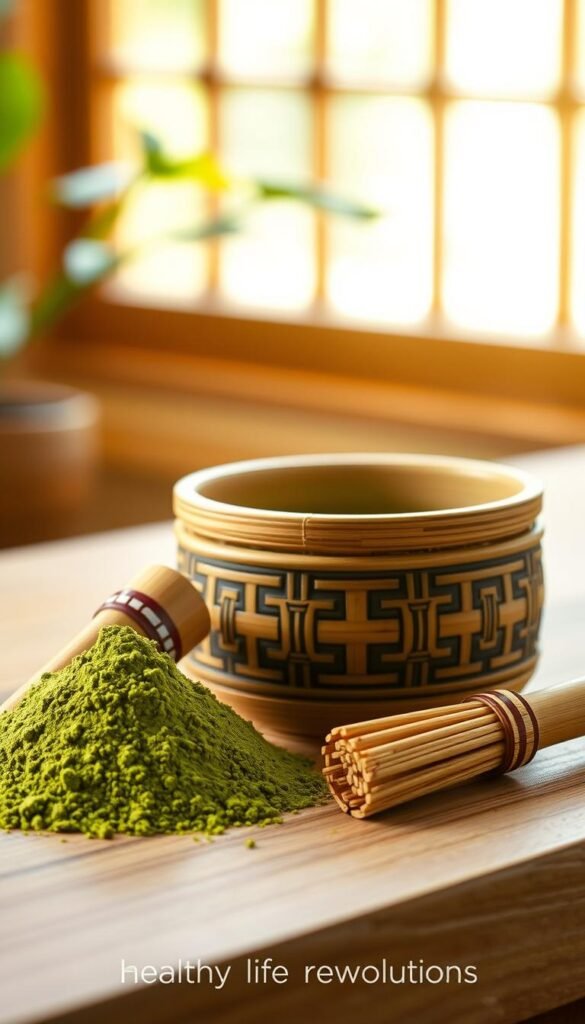
Ceremonial matcha feels silky and dissolves completely in water. It creates a creamy texture when whisked. The aftertaste is clean and pleasant, unlike lower-quality powders.
Culinary Grade Matcha: Perfect for Cooking and Baking
Culinary grade matcha comes from older leaves and might have stems. It has a stronger flavor with more bitterness than ceremonial matcha. The bold taste is great for recipes where it blends with other ingredients.
“Culinary grade” doesn’t mean it’s of lower quality. It’s just made for different uses. The strong flavor works well in lattes, smoothies, baked goods, and ice cream. It adds depth when mixed with other ingredients.
Culinary matcha costs between $10 to $25 per ounce. It’s perfect for daily lattes and cooking. You can use more without worrying about the cost. This makes it great for experimenting in the kitchen.
The color of culinary matcha is often muted or olive green. It might feel coarser than ceremonial matcha. But it’s fine for recipes where flavor is more important than appearance.
Organic Matcha Powder: Why Quality Matters
Choosing organic matcha powder is key because you drink the whole leaf. Unlike regular tea, matcha contains everything, including pesticides. Organic certification means it’s free from harmful chemicals.
Quality goes beyond being organic. Matcha from places like Uji, Nishio, or Shizuoka in Japan is usually better. These areas have the best climate and farming skills for tea.
Look for bright green color to ensure freshness. Matcha turns brownish-yellow and loses nutrients over time. The best matcha feels silky and smooth.
Good suppliers are open about where they get their matcha and how it’s made. They share harvest dates, where it’s from, and test for contaminants. This helps you know you’re getting safe, high-quality matcha.
While organic matcha is more expensive, the difference in taste and quality is clear. It’s worth it for daily use and health benefits. Many people find it’s worth the cost for the taste and health benefits.
| Feature | Ceremonial Grade | Culinary Grade | Quality Indicators |
|---|---|---|---|
| Leaf Selection | Youngest spring leaves only, stems removed | Older leaves, may include stems | Harvest timing and leaf age |
| Color | Vibrant jade-green | Muted or olive green | Brightness indicates freshness |
| Flavor Profile | Sweet, umami, minimal bitterness | Robust, slightly bitter, assertive | Taste complexity and smoothness |
| Best Used For | Traditional preparation, drinking plain | Lattes, smoothies, baking, cooking | Intended application determines grade |
| Price Range | $25-$50+ per ounce | $10-$25 per ounce | Cost reflects processing quality |
Knowing the differences helps you spend your money wisely. Use ceremonial grade for special moments and culinary grade for everyday recipes. Both offer health benefits when bought from quality sources.
Your choice depends on how you plan to use it, not just the grade. Both ceremonial and culinary matcha have their own benefits and uses.
Matcha vs Green Tea: What Makes Matcha Superior?
Matcha and regular green tea come from the same plant, but they are very different. Camellia sinensis is the plant they both come from. But, how they are grown, processed, and drunk makes them unique. Knowing these differences helps you pick the best tea for your health.
Drinking matcha is different from regular green tea. With regular green tea, you throw away the leaves after steeping. But with matcha, you drink the whole leaf. This simple change makes a big difference in what you get from the tea.
Nutritional Differences Between Matcha and Regular Green Tea
How you drink each tea changes what you get. Regular green tea only lets water-soluble nutrients into your cup. The rest stays in the leaves you throw away.
Matcha is different. You drink the whole leaf, so you get all the nutrients. This means you get vitamins, minerals, and plant compounds that regular tea can’t offer.
Matcha has more vitamin K, B-complex vitamins, and vitamin C. It also has more dietary fiber and chlorophyll. Plus, it has more L-theanine, which helps you relax.
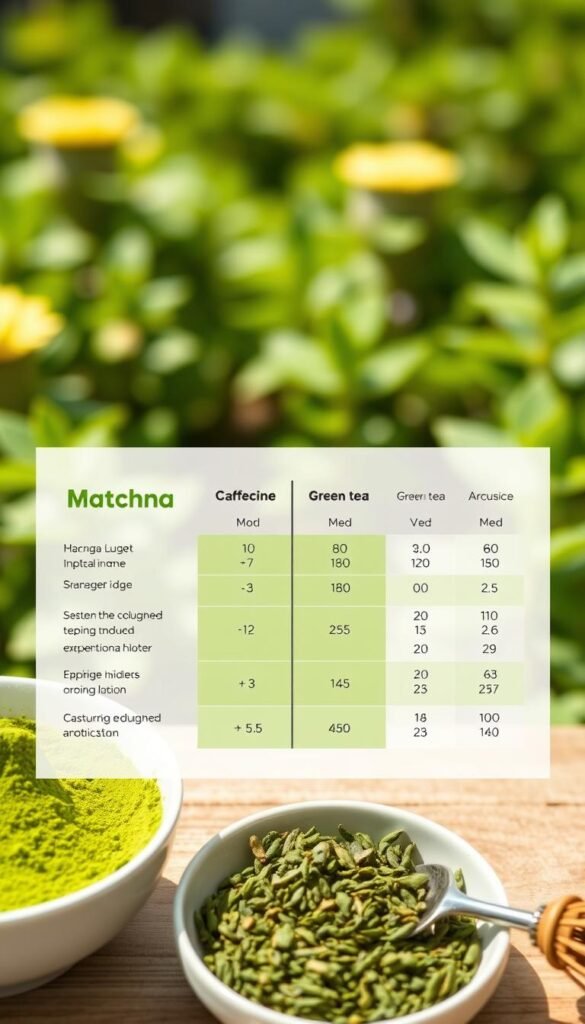
Drinking matcha is like eating the entire fruit instead of just drinking the juice—you get everything nature intended.
Caffeine Content and Energy Effects Compared
Matcha has more caffeine than regular green tea. A cup of regular green tea has 25-50mg of caffeine. But matcha has about 70mg, making it stronger.
Matcha gives you more energy that lasts longer. It’s not just about caffeine. It’s how your body feels. Matcha gives you calm, focused energy that lasts 4-6 hours.
Matcha’s energy is smooth and lasts longer because of its L-theanine. This amino acid helps you feel alert without feeling jittery. Both teas are calmer than coffee, but matcha’s effects are stronger and last longer.
Why You Get More Antioxidants from Matcha
Matcha has more antioxidants than regular green tea. You drink the whole leaf, so you get more antioxidants. Research shows one cup of matcha is like drinking 10 cups of regular green tea.
Scientists use the ORAC scale to measure antioxidants. Matcha scores very high, even higher than foods like blueberries and dark chocolate. It has a lot of EGCG, which is good for your health.
EGCG is a key compound in green tea. Matcha has three times more EGCG than the best regular green tea. This makes matcha very powerful for your health.
| Comparison Factor | Regular Green Tea | Matcha Powder | Winner |
|---|---|---|---|
| Caffeine per Serving | 25-50mg | 70mg | Matcha (for energy seekers) |
| Antioxidant Equivalent | 1 cup baseline | 10 cups of regular green tea | Matcha |
| Nutrient Absorption | Water-soluble only | Complete leaf consumption | Matcha |
| EGCG Content | Standard level | 3x higher concentration | Matcha |
| Ease of Preparation | Simple steeping | Requires whisking | Green Tea |
Both teas are good for you. Regular green tea is great for daily antioxidants and calmness. It’s easy to make and gentle.
But matcha is better for those who want more nutrition and energy. Drinking the whole leaf makes matcha a nutritional powerhouse. Your choice depends on your health goals and what you like.
How to Prepare Matcha the Traditional Way
Learning to prepare matcha the traditional way connects you to a centuries-old tradition. It’s more than just mixing matcha powder into drinks. This method creates a mindful ritual that enhances the experience.
Proper preparation makes a big difference in taste and texture. Traditional methods produce smooth, frothy matcha without clumps. This results in a vibrant green drink with a rich flavor.
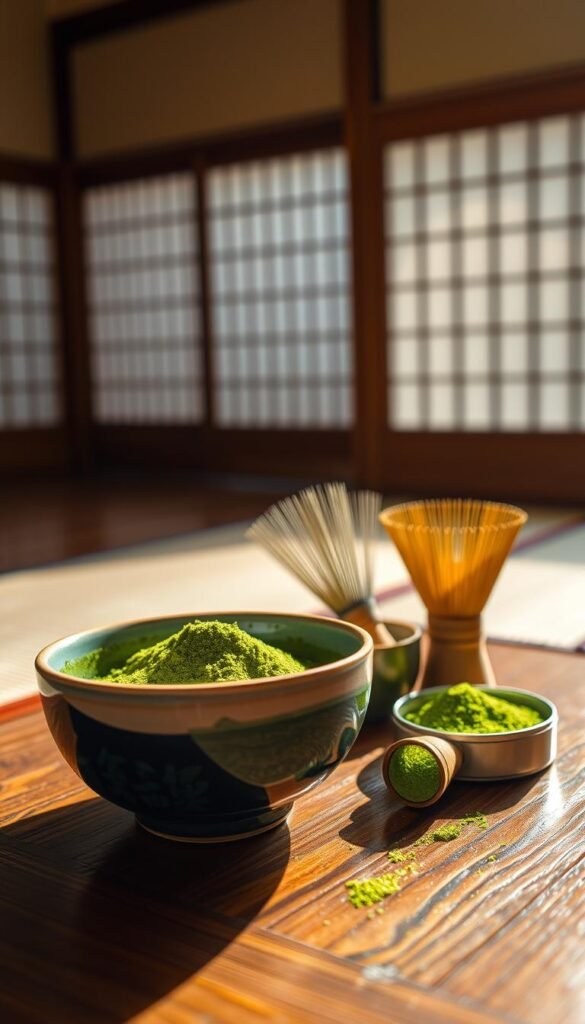
Essential Tools: Bamboo Whisk, Bowl, and Scoop
The traditional method needs three key tools used in Japanese tea ceremonies. Each tool has a specific role in making the perfect matcha.
The chasen, or bamboo whisk, is essential. It has fine tines for smooth, frothy matcha. Quality whisks have 80 to 120 prongs for the best results.
The chawan, or tea bowl, is for whisking. It’s wide and ceramic, allowing for vigorous whisking without splashing. Its shape and size are designed for the whisking technique.
The chashaku, or bamboo scoop, measures the right amount of matcha. One scoop is about half a teaspoon. It ensures consistency in your preparation.
While traditional tools are best, beginners can start with alternatives. A fine-mesh strainer and small whisk can help. But, they won’t match the smooth texture and rich foam of traditional tools.
Step-by-Step Traditional Preparation Method
Mastering traditional matcha preparation is simple once you know the steps. Follow these instructions for the best results.
Step 1: Sift one to two teaspoons of matcha powder through a fine-mesh strainer into your bowl. This step removes clumps and ensures a smooth final product.
Step 2: Add two to three ounces of hot water to the sifted powder. The water should be around 175°F (80°C). Pour it gently to avoid splashing.
Step 3: Whisk vigorously in a zigzag or “M” or “W” pattern. Never use circular motions. Whisk for 15 to 30 seconds with quick, energetic movements. Use your wrist, not your arm.
Step 4: Keep whisking until the matcha is fully dissolved and a fine foam forms. The matcha should be smooth, frothy, and vibrant green. No clumps should be visible.
The key to success is vigorous whisking and proper sifting. Don’t be timid with your whisking motion. The more energy you put in, the better your results will be.
Water Temperature and Whisking Techniques
Water temperature is critical for the taste of your matcha. The ideal temperature is 175°F (80°C). This temperature makes the matcha smooth and delicious.
Water that’s too hot can make the matcha bitter. Water that’s too cool won’t dissolve the powder properly. This results in a gritty texture and weak flavor.
To achieve the right water temperature, boil water and then let it cool for five to ten minutes. Or, mix a small amount of room-temperature water with just-boiled water. With practice, you’ll get the temperature right.
The whisking technique requires attention to detail. Start by keeping the whisk’s tines in contact with the bowl bottom. Use quick back-and-forth motions, creating a “W” or “M” pattern. As foam forms, lift the whisk slightly higher and continue whisking.
Remember, wrist action is better than arm movement. Keep your elbow steady and let your wrist do the work. This gives you better control and prevents fatigue.
With regular practice, traditional preparation becomes intuitive. It becomes a meditative, mindful experience. The ritual itself becomes as valuable as the delicious matcha you create.
Delicious Matcha Latte Recipes for Every Taste
Matcha has become a hit in latte glasses, bringing health benefits to those who love creamy drinks. Matcha lattes are loved across the United States. They mix matcha’s health perks with frothy milk, letting you customize to your liking.
Matcha lattes are versatile. You can change the sweetness, try different milks, and add flavors. They’re great for a morning boost or an afternoon pick-me-up, with both nutrition and taste.
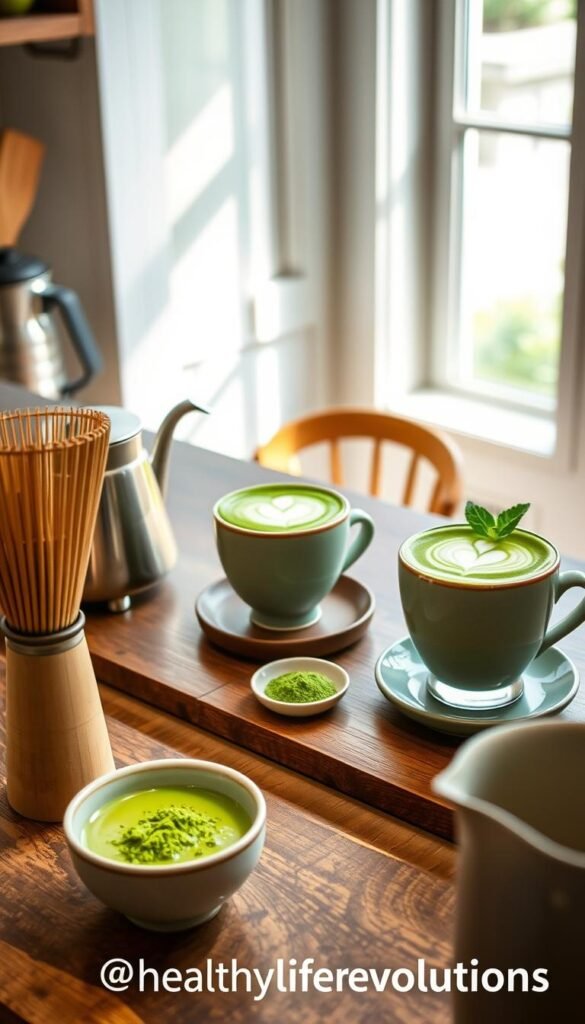
Classic Hot Matcha Latte
The classic hot matcha latte is the base for all others. Start by sifting one to two teaspoons of matcha powder into a cup. Add two tablespoons of hot water and whisk until smooth.
Creating this paste first prevents clumping and ensures even distribution. Heat one cup of your preferred milk until steaming. Use dairy, oat, or soy milk.
Froth the milk using a frother, French press, or by shaking vigorously. Pour the frothed milk over your matcha paste and stir gently. Add sweetener like honey, maple syrup, or sugar, typically one to two teaspoons.
Iced Matcha Latte for Warm Days
An iced matcha latte is refreshing and healthy. Start by sifting one to two teaspoons of matcha powder into a tall glass. Add two tablespoons of hot water and whisk until smooth.
This hot water step is key for cold drinks, dissolving the matcha powder. Add one to two teaspoons of simple syrup to the warm mixture and stir until dissolved.
Fill your glass with ice, then pour one cup of cold milk over the ice. Stir well to combine all ingredients. The green matcha and white milk make a stunning drink.
Vanilla Matcha Latte with Almond Milk
The vanilla matcha latte with almond milk is a favorite in coffee shops. Prepare your matcha paste by sifting matcha, adding hot water, and whisking until smooth.
Heat one cup of almond milk with one-quarter teaspoon of vanilla extract. Vanilla-flavored almond milk is a good alternative. Almond milk’s subtle nutty flavor complements matcha’s earthy notes perfectly.
Froth the vanilla almond milk and mix it with your matcha paste. The vanilla adds natural sweetness, so you may need less added sweetener. Start with one teaspoon of your preferred sweetener and adjust to taste.
Matcha Latte with Coconut Milk and Honey
The matcha latte with coconut milk and honey is a tropical treat. Create your matcha paste as described in previous recipes, ensuring no lumps remain.
Use full-fat canned coconut milk for the creamiest texture. Heat one cup of coconut milk until steaming, then froth using your preferred method.
Combine the frothed coconut milk with your matcha paste and stir in one to two teaspoons of honey. Honey’s floral notes pair beautifully with matcha’s earthiness and coconut’s richness. Coconut milk’s sweetness means you might need less honey.
These matcha latte recipes are just the start. Feel free to adjust ratios, try different milks, or add spices. If you encounter clumping, sift your matcha and create a smooth paste before adding milk. For sweetness, start with less and add more as needed.
Matcha for Weight Loss: Does It Really Work?
Does matcha help with weight loss? The answer is yes, but with a twist. It’s not a magic solution that makes pounds disappear overnight. Instead, research shows it can offer modest support for weight management when you eat well and exercise regularly. Think of matcha as a helpful ally, not a miracle cure.
Understanding matcha’s role is key. Scientific studies show it works best as part of a complete health plan. It has metabolic benefits that can help, but it can’t replace the basics of balanced nutrition and exercise.
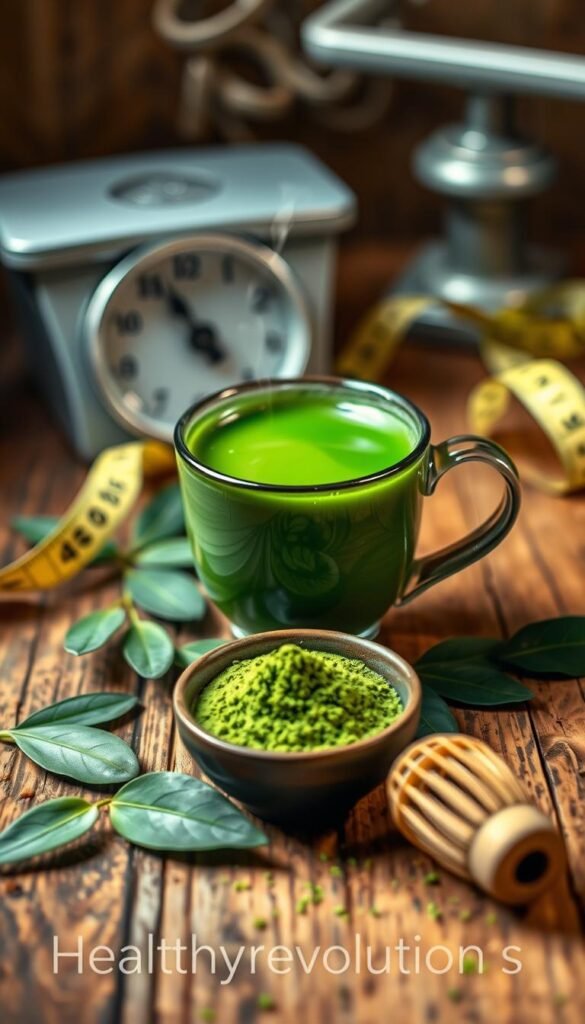
How Matcha Boosts Metabolism
Matcha has compounds that can increase your metabolic rate and energy expenditure. The catechins, like EGCG, interact with your body in interesting ways. Research in the American Journal of Clinical Nutrition shows these effects.
Studies found green tea extract can increase fat oxidation by up to 17% during exercise. Fat oxidation is how your body burns fat for energy. Drinking matcha before exercise may help your body burn more fat.
This process involves thermogenesis, how your body generates heat and burns calories. Matcha’s caffeine and catechins seem to enhance this natural process. Your body works a bit harder to process these compounds, leading to a slight increase in calorie burning all day.
The metabolic boost isn’t huge, but it’s noticeable. It’s like giving your metabolism a gentle nudge. This effect gets more obvious when you exercise and eat mindfully.
Fat Burning Properties and Scientific Evidence
Scientific research sheds light on matcha’s role in weight management. Studies suggest green tea catechins may lead to modest reductions in body weight and body fat, mainly around the belly. It’s important to be honest about these effects.
Research shows people who drank green tea extract lost about 1.3 kg (2.9 pounds) more on average than control groups over 12 weeks. While this difference is significant in studies, the practical impact is small and varies among individuals.
The proposed mechanism involves an enzyme that breaks down norepinephrine, a hormone that signals fat cells to break down fat. EGCG may inhibit this enzyme, keeping norepinephrine levels high longer. This could theoretically increase fat-burning signals your body receives.
| Study Duration | Average Weight Loss | Key Finding | Participant Activity Level |
|---|---|---|---|
| 12 weeks | 1.3 kg (2.9 lbs) | Modest but consistent reduction | Moderate exercise included |
| 8 weeks | 0.8 kg (1.8 lbs) | Greater effect with exercise | Regular physical activity |
| 16 weeks | 2.1 kg (4.6 lbs) | Combined with calorie restriction | Diet and exercise program |
| 10 weeks | 1.0 kg (2.2 lbs) | Reduced abdominal fat | Light to moderate activity |
These numbers tell an important story. Matcha for weight loss works best as part of a larger lifestyle approach. The effects are real but modest, and they require consistency over time to become noticeable.
Best Practices for Using Matcha in Your Weight Loss Journey
To use matcha for weight management, follow evidence-based practices. Drink one to three cups of matcha daily, before exercise. This timing may enhance fat oxidation during your workout.
Avoid adding too much sugar, flavored syrups, or high-calorie ingredients. A simple matcha latte with unsweetened almond milk is flavorful without extra calories. Many people unknowingly consume hundreds of extra calories through sweetened matcha beverages.
Use matcha as a low-calorie drink alternative to sugary drinks or high-calorie coffee. A plain matcha drink has only about 3-5 calories per serving. This makes it a great choice for replacing sodas, sweetened teas, or elaborate coffee drinks that can have 300-500 calories.
Combine matcha with a calorie-controlled diet and regular physical activity. The synergistic effect of these elements produces better results than any single approach. Track your food intake, maintain a slight calorie deficit, and stay active throughout the week.
Be patient and realistic with your expectations. Matcha may provide a slight metabolic advantage, but it won’t produce dramatic weight loss without other lifestyle changes. Focus on sustainable habits instead of quick fixes.
The greatest value of matcha for weight management may lie in its ability to increase energy and focus for workouts, provide a satisfying ritual that supports healthy habits, and serve as a flavorful, nutritious alternative to calorie-dense beverages.
Consider matcha as a tool that supports your journey, not drives it. The increased energy can motivate you to exercise more consistently. The ritual of preparing matcha can replace less healthy habits. These indirect benefits often matter more than the direct metabolic effects.
While research supports matcha’s metabolic benefits, view it as a supportive tool, not a primary weight-loss strategy. Success comes from combining multiple healthy habits over time. Matcha for weight loss works best when it complements your overall wellness approach, not as a standalone solution.
Choosing and Storing High-Quality Matcha Powder
Finding good matcha in today’s market can be tricky. The demand for matcha has grown fast, leading to quality differences. Choosing the right matcha means enjoying its taste, color, and health benefits. Knowing what makes premium matcha stand out helps you get the most from your money.
The market offers many matcha options at different prices. Knowing how to pick and store matcha is key to keeping it fresh and potent.
What to Look for When Buying Matcha
Several signs show if matcha is of high quality. Look for a vibrant jade green or bright green color. If it’s dull, yellowish, or brownish, it might be old or of lower quality.
Matcha should feel silky, like baby powder. If it’s gritty or coarse, it’s not processed well or is of lower grade.
The smell of matcha should be fresh and slightly sweet. Bad smells mean it’s old or stored poorly. Always check where it’s from, as real matcha comes from Japan.
Price can hint at quality, but it’s not always right. Ceremonial grade matcha costs between $25 and $50 per ounce. Anything much cheaper might be low quality.
Good packaging is key to keeping matcha fresh. Look for airtight, opaque containers that keep out light and air. Good suppliers will tell you where they got it and when, and may even show test results.
Certifications like organic certification from Japan or elsewhere mean less pesticide. Suppliers who are open about how they make their matcha show they care about quality.
Recognizing Authentic Japanese Matcha Tea
Finding real japanese matcha tea takes some effort. Look for clear Japanese origin on the packaging. It should say where it was grown and processed.
Good brands have Japanese names or work closely with Japanese tea farms. This ensures they follow traditional quality standards. Be wary of very cheap matcha, as real Japanese ceremonial grade is expensive due to its labor-intensive process.
China and Korea make matcha-style teas, but they’re not the same as traditional japanese matcha tea. They have different growing and processing methods. Always choose “Japanese matcha” to be sure.
The best suppliers share stories about the tea farmers and growing conditions. This shows they really care about quality and authenticity.
Proper Storage to Maintain Freshness and Potency
Matcha can spoil quickly from light, heat, air, and moisture. These factors can ruin its color, taste, and nutrients. Storing it right keeps it fresh and potent.
Keep matcha in an airtight, opaque container in a cool, dark place. The fridge is best, but make sure it’s in a sealed bag to avoid moisture and smells from other foods.
Let refrigerated organic matcha powder come to room temperature before opening. This prevents moisture from ruining the quality. Always seal it back up after use and try to avoid letting air in.
Use opened matcha within a month for the best taste and quality. Stored properly, it stays good for three to six months. But unopened matcha can last up to a year if stored right, so always check the expiration date.
Watch for signs of spoilage like color changes, loss of smell, or bitter taste. These mean the matcha has oxidized and lost its nutrients.
Storing matcha right is as important as choosing high-quality matcha. Even the best japanese matcha tea can go bad if not stored properly. Following these tips helps keep matcha’s unique qualities and ensures you get the most from your purchase.
Conclusion
Matcha is a true superfood, loved for centuries. It’s not just about caffeine. This green powder is packed with antioxidants, energy, and mental clarity.
You now know the difference between ceremonial and culinary matcha. You’ve learned how to make traditional tea and fun latte recipes. Matcha’s benefits for metabolism and brain health explain its growing popularity in America.
Starting your matcha journey is easy. Just pick a quality powder. Ceremonial grade is great for traditional tea. Culinary grade is perfect for lattes and smoothies.
Consistency is key. Drinking one cup a day can greatly improve your health. The benefits of matcha grow with regular use.
Matcha is more than a trendy drink. It’s a calming ritual for our fast-paced lives. It offers health, energy, and a unique taste. Grab your bamboo whisk and enjoy these benefits today.

- Premium Tea Blend: Tozzy Organic Tea is a premium blend of pure plant-based ingredients, carefully sourced and packaged …
- Eco-Conscious Packaging: The tea bags come in eco-conscious packaging, promoting sustainable practices.
- Convenient Count: This package contains 100 pyramid-shaped tea bags, ensuring you have a plentiful supply.