In the United States, many people face a common challenge: not a lack of effort, but a lack of energy. After a long day, it’s hard to cook, move, and feel like you’re doing enough.
Herbs offer a personal touch. A warm cup of ginger tea, cinnamon on yogurt, or a pinch of cayenne in soup can help. They don’t fix everything, but they can keep you going when motivation is low.

This guide focuses on the top 15 herbal medicines for weight loss that actually work. It’s for those seeking real support, not just hype. Many herbs and spices can aid in weight management by boosting metabolism, reducing hunger, and easing cravings. They add flavor without extra calories, sugar, or sodium.
Yet, herbal weight loss remedies aren’t a quick fix. Results vary, and the basics are key: a calorie deficit, eating protein and fiber-rich foods, regular activity, good sleep, and less stress.
You’ll find two paths here: daily food seasonings and the best herbal remedies for weight loss. Some people use these in supplement form. We aim to be practical, evidence-based, and safety-focused from the start.
Why herbal weight loss remedies are important today
In today’s world, many people turn to traditional herbs for weight loss. These herbs can be easily incorporated into daily life. They can be brewed, cooked, or used in various ways.
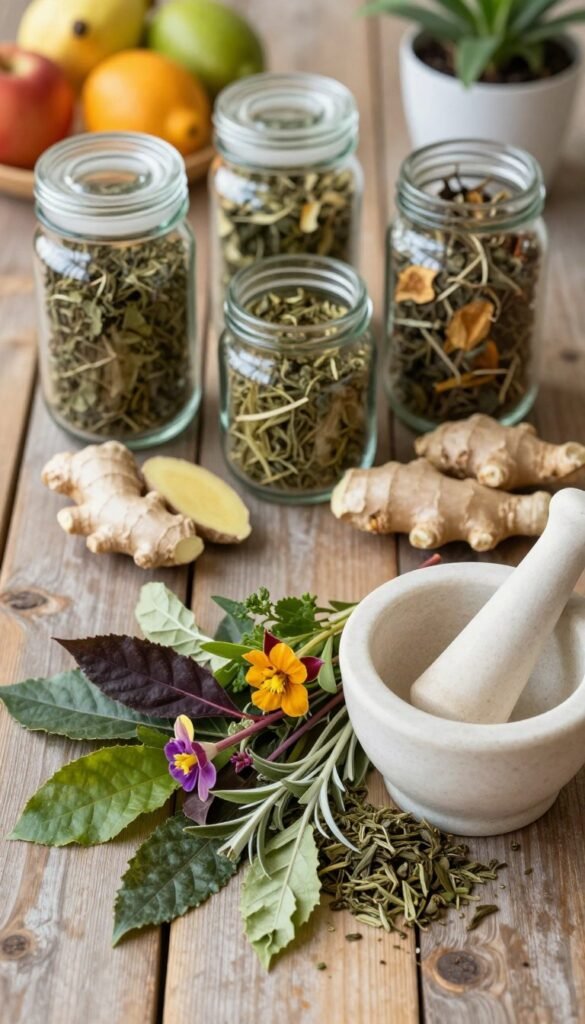
These remedies have a long history. They were used in ancient times to aid digestion and balance meals. Modern wellness has rediscovered these ideas, with updated research and testing.
How herbs and spices can support metabolism, cravings, and fat burning
Some herbs are known to increase metabolism. Capsaicin from cayenne and cardamom are examples. Turmeric is also studied for its effects on inflammation and metabolism.
Other herbs help with appetite and cravings. Fenugreek and gymnema sylvestre are used to reduce hunger. Caralluma fimbriata may help control sugar cravings.
Blood sugar control is also important. Cinnamon and ginger are studied for their effects on blood sugar. Turmeric is also researched for its insulin sensitivity benefits.
What the research actually suggests (and where evidence is limited)
The research on herbs is mixed. Some have human trials, while others rely on animal studies or test-tube research. Ginger and green coffee bean extract have human studies, but most research is short-term.
Some herbs have promising results but lack human data. Cardamom is an example. The evidence for these herbs varies, depending on the study.
Study limitations are common. Small sample sizes and short study durations are often seen. This is why the evidence for traditional herbs is not always clear-cut.
| Goal people look for | Often-cited herbs/spices | How they’re described to work | Common evidence pattern | What to watch in real use |
|---|---|---|---|---|
| Metabolism support | Cayenne (capsaicin), cardamom, turmeric/curcumin | Thermogenesis; metabolic signaling; inflammation-related pathways | Human data for some; limited human work for others | Effects tend to be modest and depend on dose and tolerance |
| Cravings and appetite | Fenugreek, gymnema sylvestre, caralluma fimbriata | Satiety support; reduced sweetness perception; appetite signaling | Small human trials and short programs for select ingredients | Hunger changes can be subtle and vary with eating patterns |
| Blood sugar stability | Cinnamon, ginger, turmeric/curcumin | Slower carb breakdown; steadier post-meal response; insulin sensitivity support | Human trials exist, but methods and doses differ | Best judged alongside meals, sleep, and activity level |
| “Tradition-first” use | Kitchen spice blends and herbal teas | Food-based routine that reinforces mindful choices | Strong cultural history; clinical proof varies by herb | Works best when it supports consistent habits, not extremes |
Why herbs work best alongside a calorie deficit, whole foods, and exercise
Herbal medicine for weight loss works best when combined with a calorie deficit. Eating whole foods and staying active are also key. This approach helps maintain fat loss over time.
Herbs can make meals more enjoyable and routines easier to follow. They become part of a larger system of healthy living. This approach is more sustainable than relying on quick fixes.
Safe use guidelines for herbs for natural weight loss in the United States
In the U.S., herbs can be found in your kitchen, tea, or capsules. The safety rules vary by form. It’s best to use herbs as part of a balanced routine that includes whole foods, exercise, and enough sleep.

Daily intake limits when using herbs as seasonings (about one tablespoon/14 grams)
When cooking, use herbs in small amounts. A good rule is no more than about 1 tablespoon (14 grams) per day of dried herbs and spices.
Seasonings add flavor without many calories. This can help you cut down on sugar and salt while keeping meals tasty.
Supplement safety basics: follow label dosing and don’t “stack” too many products
Natural weight loss supplements are stronger than food. Always follow the label’s dose and avoid mixing different products.
Start with a small dose and watch how you feel. Stop if you get side effects like nausea or a fast heartbeat. If symptoms are severe, see a doctor.
Who should talk to a clinician first (pregnancy, chronic conditions, medication use)
Before using supplements, talk to a doctor if you’re pregnant, trying to conceive, breastfeeding, or have a chronic condition. This is also important if you take prescription drugs or insulin.
Some herbs can interact with common medicines. For example, cinnamon might affect blood pressure and diabetes drugs. Gymnema and fenugreek can change blood sugar levels, which is dangerous with certain diabetes drugs.
Quality tips: choose reputable brands and third-party tested natural weight loss supplements
Choose well-known brands with clear labels, lot numbers, and third-party tests. This ensures the product is pure and consistent, which is key for effective herbal weight loss products.
| What to check | What to look for on the package | Why it matters |
|---|---|---|
| Serving size and dose | Exact milligrams per serving and suggested daily use | Helps prevent accidental overuse when comparing effective herbal weight loss products |
| Standardization details | Named compounds or extract ratios when applicable | Improves consistency across batches of natural weight loss supplements |
| Third-party testing | Statement of independent testing for purity and contaminants | Reduces the risk of adulterants or mislabeling in natural weight loss supplements |
| Allergen and interaction notes | Warnings for pregnancy, diabetes, blood pressure, or blood thinners | Supports safer use of herbs for natural weight loss with medications or conditions |
| Expiration and storage | Expiration date and storage guidance | Protects potency and stability so ingredients perform as expected |
A registered dietitian nutritionist can help you use supplements wisely. They can guide you on when to use food-based herbs and when supplements are better. This advice makes your plan easier to follow.
Top 15 Herbal Medicines for Weight Loss That Actually Work (Backed by Tradition)
This guide combines herbs and spices found in kitchens with long-standing wellness traditions. It’s for those seeking herbal weight loss remedies that are practical, not extreme.

It focuses on herbs used in food, daily habits, and their benefits. The goal is to offer tools that support a balanced diet and routine.
The selection process starts with tradition and looks for scientific backing. It seeks evidence related to appetite, blood sugar/insulin, or metabolism/thermogenesis. Human studies are given more weight than animal or lab research.
This method helps distinguish between popular claims and proven herbal weight loss remedies. It keeps the list grounded in everyday use, not just hype.
“Actually work” means providing modest, repeatable support for weight management. This includes fewer cravings, steady energy, or increased satiety.
It doesn’t promise quick fat loss from a single ingredient. Many herbs need more research, and some early findings come from test-tube or animal models.
Using this guide depends on your starting point. A food-first plan uses spices and teas in amounts similar to cooking. This keeps the routine easy and sustainable.
If you explore beyond the pantry, supplements are a separate category. Effective herbal weight loss products include concentrated extracts. Pay attention to label dosing and third-party testing, even when stacking formulas.
The table below shows how the same herbal weight loss remedies can fit different routines. It depends on whether you prefer food or capsules.
| Use style | What it looks like day to day | Why people choose it | Safety focus |
|---|---|---|---|
| Food-first herbs and spices | Seasoning meals, adding to soups, stirring into yogurt, or brewing tea | Supports consistency and portion control through flavor and satiety cues | Stay near culinary amounts; track total intake if using many spices daily |
| Targeted supplement use | Standardized capsules or tablets used for a set time window | More predictable dosing when research uses higher extract levels | Follow label dosing; avoid combining similar stimulants; choose third-party tested options |
| Hybrid approach | Food-first most days, with one supplement chosen for a specific goal | Balances habit-building with focused support for appetite or blood sugar | Don’t “stack” multiple blends; review meds and conditions before starting |
Fenugreek for appetite control and waist support
Fenugreek is a spice you might find in your kitchen. It has been used for a long time in cooking and health. It’s easy to add to meals and is found in many U.S. stores.
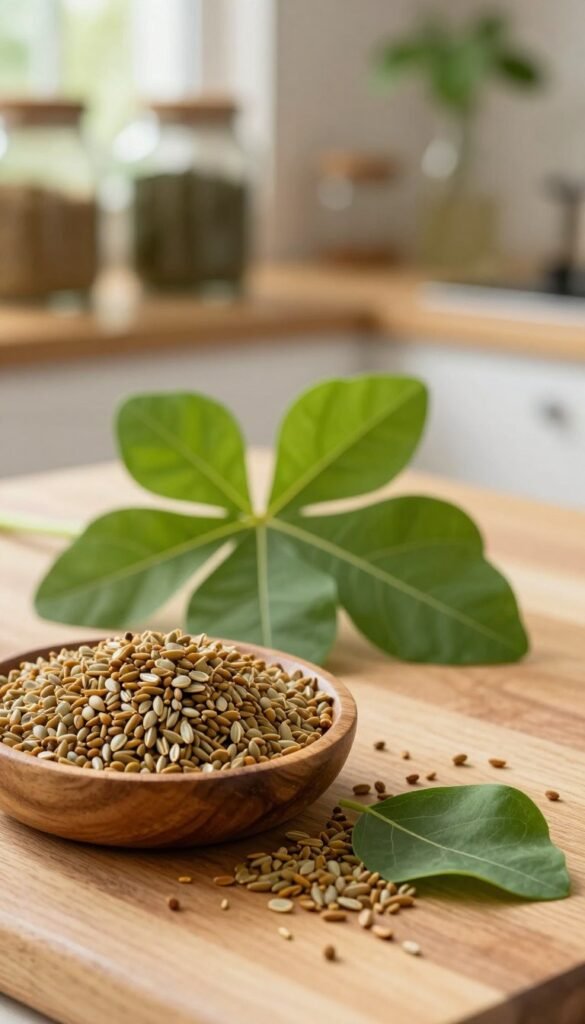
Traditional use and what it is (Trigonella foenum-graecum)
Fenugreek comes from Trigonella foenum-graecum, a type of legume. Its seeds are used as a spice. It tastes slightly bitter and toasted, great in many dishes.
In many cultures, fenugreek is used before meals. This is why it’s often suggested for weight loss in herbal guides.
What studies suggest: appetite and intake support; possible effects on waist circumference
Research shows fenugreek helps control appetite and reduce food intake. It also looks at waist circumference and other health markers.
A 2023 review found fenugreek helps with waist size. Animal studies have looked at how it affects appetite and fat tissue.
How to use fenugreek in food and supplements
When using fenugreek in cooking, start with a small amount. It’s like any strong spice. Aim for about 1 tablespoon of herbs and spices daily.
For capsules or powders, follow the label. Be careful not to mix too many products that affect blood sugar. This is important when comparing herbal weight loss remedies.
| Use option | How it fits into a routine | Why people choose it | Extra caution point |
|---|---|---|---|
| Culinary seeds (whole or ground) | Add to soups, lentils, roasted vegetables, or spice rubs; build flavor over time | Food-based approach that supports steady habits common in the best herbal remedies for weight loss | Strong taste can tempt over-seasoning; keep total daily herb/spice intake reasonable |
| Soaked seeds | Soak, then mix into yogurt-style dishes or savory bowls for texture | May feel more filling for some people due to fiber-like mouthfeel | Can trigger GI upset in sensitive stomachs |
| Standardized supplement | Use at consistent times, often near meals, per label dosing | Convenient for tracking intake in a structured plan alongside herbs for natural weight loss | Higher caution with glucose-lowering meds or multiple similar products |
Potential side effects and cautions (GI issues, allergy, low blood sugar)
Fenugreek can cause digestive problems like bloating and diarrhea. If you have food allergies, be extra careful.
It may lower blood sugar in some. If you have diabetes, watch for signs of low blood sugar. Treat herbal weight loss remedies seriously, not as harmless.
Ginger as an herbal medicine for losing weight
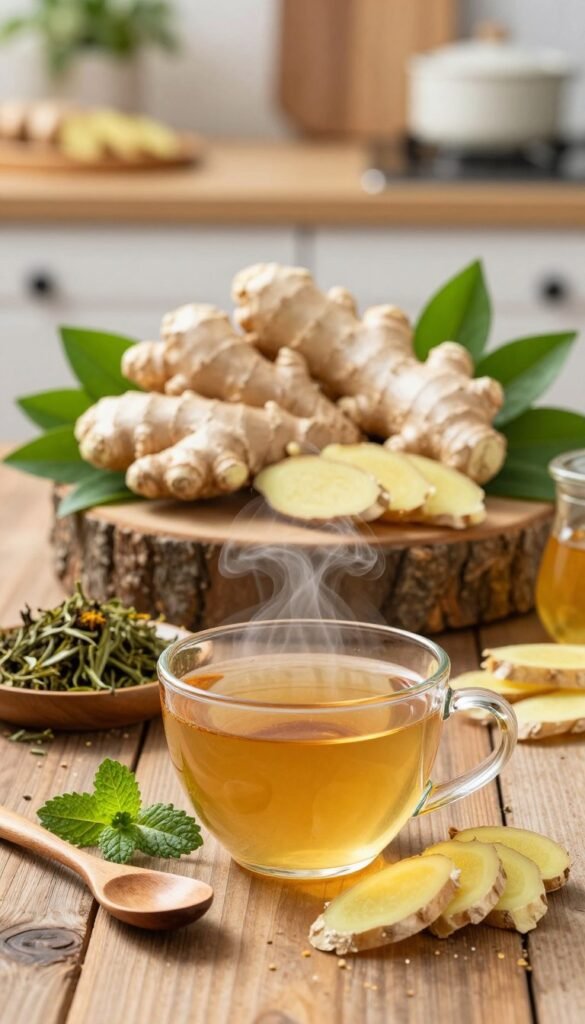
Ginger has been a staple in kitchens and wellness routines for ages. It’s now seen as a helpful tool for weight loss. It supports steady habits and can be used with other herbs in simple ways.
What research suggests
Recent studies have looked into ginger’s effects on weight. A 2024 review found ginger can help with weight loss. But, it notes that more research is needed.
Mechanisms discussed
Experts say ginger may boost metabolism and control appetite. This is helpful on busy days when we might snack more.
Ginger might also affect fat absorption and blood sugar levels. It can help manage spikes in blood sugar after eating sweets or carbs. This makes it a good match for herbs that help with appetite and cravings.
Best ways to use
Grate fresh ginger into stir-fries, baked fish, soups, lentils, or fruit salad. Ground ginger is great for rubs, roasted veggies, and marinades. Ginger tea is a warm, easy option.
Ginger works best as part of a calorie-aware diet, with more fiber and exercise. It fits well into routines with other herbal remedies and trusted herbs for weight loss.
Cayenne pepper and capsaicin for metabolism support
Cayenne pepper adds a spicy kick to food, but it’s more than just flavor. It’s a popular choice for weight loss before trying herbal products. You can easily add it to your meals without changing your routine.
Why it may help
Cayenne has capsaicin, which gives it its heat. Studies show capsaicin might help your body burn a few more calories. This small boost can help with weight loss, along with eating less and more protein and fiber.
Cayenne is a standout among herbal weight loss options. It’s easy to use and measure, making it simple to add to your food. Just a pinch can enhance flavor and help control portions.
What to know
Some people find capsaicin helps them feel full, but it can also cause stomach issues. A 2016 study found that discomfort might affect appetite for some. If spicy foods upset your stomach, start with a small amount and adjust as needed.
Choosing the right herbal remedies for weight loss is important. If cayenne causes discomfort, it might not be for you. It’s all about finding what works best for your body.
Easy ways to add it
Use cayenne as a seasoning, not a challenge. Sprinkle it on eggs, veggies, or hummus. You can also add a pinch to soups or dressings for a zesty twist.
Compared to herbal products, cayenne is affordable and easy to incorporate into your cooking. It pairs well with other herbs like garlic, black pepper, and cumin.
| Use | How to add cayenne | Flavor impact | Best for | Comfort tip |
|---|---|---|---|---|
| Breakfast | Pinch on scrambled eggs or an egg-white veggie wrap | Bright, spicy finish | Starting the day with a steady routine | Add after cooking to control heat |
| Lunch | Stir into hummus or a yogurt-based dip for veggies | Warm, slow-building heat | Higher-fiber snacking and portion control | Balance with lemon juice to soften bite |
| Dinner | Add to soups, chili, or roasted vegetables before serving | Deep heat that spreads through the dish | Lower-calorie meals with strong flavor | Keep the dose small if you’re spice-sensitive |
| Beverage | Pinch in lemonade or sparkling water with citrus | Spicy-citrus contrast | People who like bold flavors without extra calories | Skip if you get reflux; sip slowly |
Cinnamon for blood sugar stability and cravings
Cinnamon is often used for weight loss because it helps keep blood sugar steady after eating. This can lead to fewer energy crashes and less sudden hunger. It’s a key part of many natural weight loss plans.
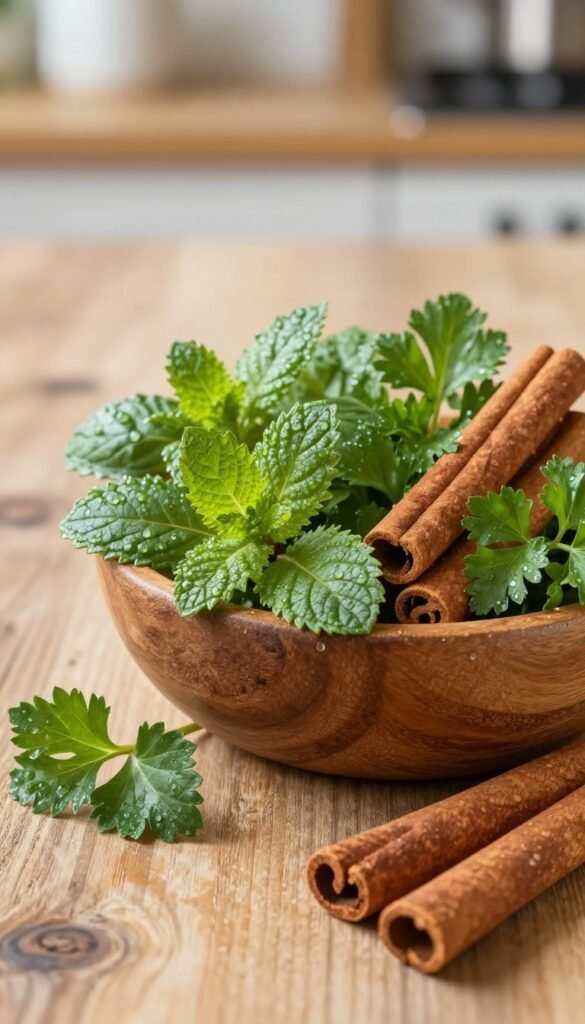
Cinnamon has compounds that may help insulin work better. This can help move sugar into cells for energy. It might also slow down how carbs are broken down, which can help control hunger.
For benefits, you might need to take 3 grams of cinnamon per day. This can be hard to get from just a sprinkle. Some turn to natural weight loss supplements for help. If you’re taking more cinnamon, talk to a doctor to make sure it’s safe for you.
| Approach | How it may fit weight goals | Typical ways to use | Extra cautions |
|---|---|---|---|
| Food-first cinnamon | Supports routine blood sugar control and may help reduce snack-driven cravings | Stir into oatmeal, cottage cheese, or plain yogurt; add to coffee or a simple cinnamon tea | Higher daily use can add up; discuss steady, higher intakes if you have liver issues or take long-term meds |
| Capsules or blends | More consistent dosing than cooking, which some prefer when tracking intake | Follow label directions and avoid stacking multiple formulas that target glucose at once | Natural weight loss supplements may interact with diabetes or high blood pressure therapies |
| Combined with other lifestyle steps | Pairs best with protein, fiber, and balanced meals to smooth post-meal glucose swings | Add cinnamon to higher-fiber breakfasts and snacks to support satiety | Monitor how you feel if you’re prone to low blood sugar, specially with exercise |
Cinnamon can affect medications, so it’s important to be careful if you’re taking diabetes or high blood pressure meds. For those using herbs for weight loss, cinnamon can be helpful. But, it’s important to use it safely, just like other herbs.
Turmeric and curcumin in traditional herbs for weight loss
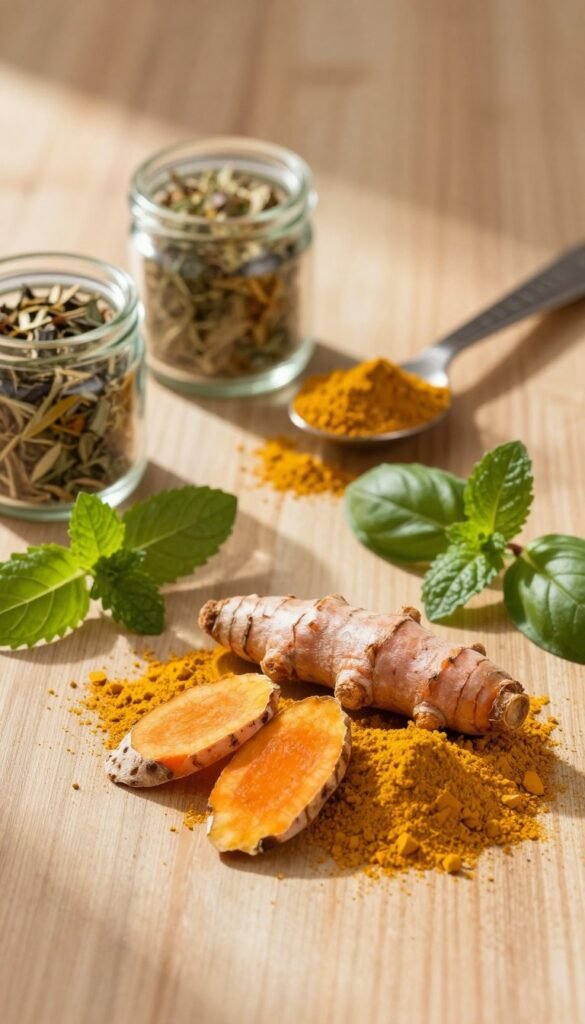
Turmeric is a staple in cooking and wellness, often talked about for weight loss. Its main compound, curcumin, gives turmeric its golden color. It’s best used as part of a regular routine, not a quick fix.
What the evidence suggests
A 2023 review found that curcumin supplements can help with BMI, when used with exercise and lifestyle changes. In 2022, research suggested it might aid in weight loss. This makes curcumin a popular choice for weight loss, though results vary.
Curcumin is studied for its effects on inflammation and oxidative stress, which could help with metabolic health. It may also help control blood sugar and improve insulin sensitivity, factors linked to fat gain. Some believe it can even increase the body’s energy use as heat.
Key limitation
A big challenge is the dosing. Studies often use high amounts of curcumin, much more than you’d get from food. This makes it hard to compare natural food use with supplements, leaving questions about practical turmeric servings.
Practical uses
Turmeric is simple to add to meals without changing your routine. Use it on roasted veggies, in soups and stews, or in smoothies for a warm flavor. For a quick option, mix it into tea and enjoy with balanced meals and exercise.
| Option | How it’s used | Typical dose range | Best fit for | Main watch-outs |
|---|---|---|---|---|
| Culinary turmeric (powder or fresh root) | Season roasted vegetables, soups, stews; blend into smoothies; stir into tea | Small food-level amounts, often well under 1 tsp per serving | People who want a food-first approach to traditional herbs for weight loss | Can stain surfaces; large amounts may upset the stomach in some people |
| Curcumin supplement (standardized extract) | Taken as capsules or softgels, often as part of structured wellness plans | Higher, concentrated doses than food provides; varies widely by product | Those comparing proven herbal weight loss remedies with lifestyle changes | More likely to interact with medications; dose differences make results harder to predict |
| Food strategy plus targeted supplement approach | Use turmeric in meals while using a single, well-chosen product if needed | Food-level turmeric plus labeled supplement dosing (no stacking) | Readers evaluating natural weight loss supplements while keeping meals simple | Track total intake and tolerance; avoid combining many products at once |
Oregano and carvacrol for metabolic support
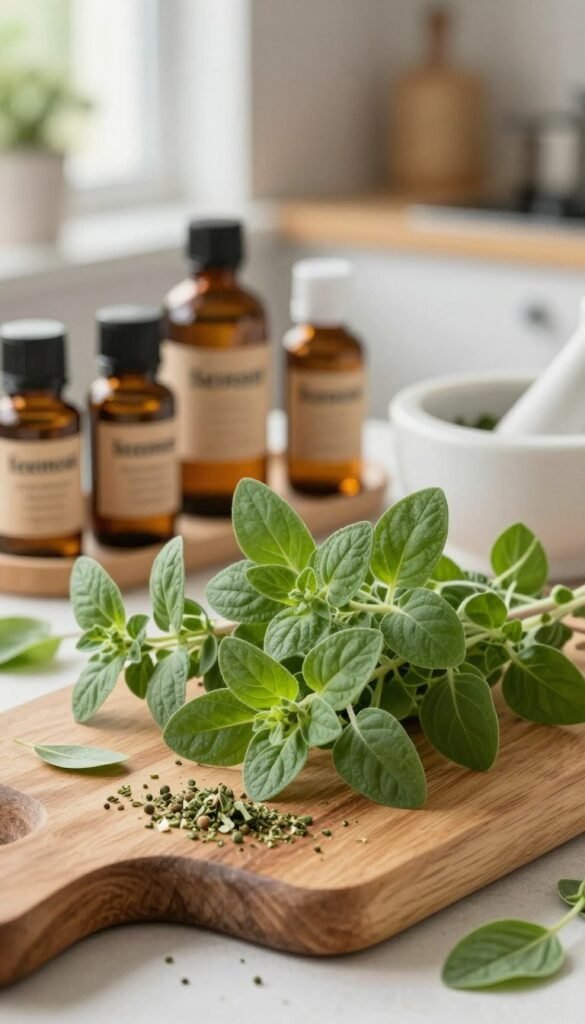
Oregano is more than a pizza topping. It’s a key player in herbal weight loss remedies. This is because it contains a powerful compound called carvacrol. The goal is to support metabolism, not just lose weight fast.
What’s known
Carvacrol has been studied for its effects on fat storage. Research suggests it may influence genes and proteins involved in fat production. Oregano also offers antioxidants, which is why it’s studied for its health benefits.
Oregano is part of a group of herbs for natural weight loss. It’s easy to add to your daily routine. Focus on healthy habits like planning meals, controlling portions, and eating more protein.
Evidence quality
A 2021 review looked at essential oils, including oregano, for obesity and metabolic issues. Most studies were in vitro or in vivo, which don’t fully reflect real-life use.
There’s not much human research on oregano or carvacrol for weight loss. So, it’s best seen as a supportive ingredient. It’s not a quick fix or a magic solution.
How to use
Start with food: add dried oregano to soups, beans, chicken, roasted veggies, and salad dressing. This way, you can enhance flavor without adding many calories.
Be careful with concentrated essential oils and extracts. They’re much stronger than cooking amounts. They can irritate sensitive areas and may vary in quality. If using them, treat them with caution and seek professional advice.
| Option | Typical use in a routine | Practical upside | Key caution |
|---|---|---|---|
| Dried oregano (culinary) | Mixed into meals several times per week for flavor | Easy way to include herbs for natural weight loss in everyday cooking | Flavor can be strong; start small if you’re not used to it |
| Oregano extract (capsules) | Used more like effective herbal weight loss products with set serving sizes | Convenient and consistent dosing on the label | Potency varies; check ingredients, allergens, and testing claims |
| Oregano essential oil | Not a cooking swap; used only with expert direction | Highly concentrated plant compounds | Higher risk of irritation and dosing errors; quality matters |
Ginseng in proven herbal weight loss remedies (traditional Chinese medicine roots)
Ginseng has a long history in traditional Chinese medicine. It’s used to support energy, stress response, and overall vitality. It’s often seen as a daily tonic, not a quick fix for weight loss.
In the United States, you’ll find different types of ginseng. These include Korean, Chinese, and American ginseng. Each type has its own processing and ginsenoside profile, affecting how it’s used in weight loss.

Research on ginseng is ongoing. A 2014 study found that Korean ginseng helped reduce body weight and changed gut microbiota. This is important for metabolic health.
Ginsenosides are key compounds in ginseng. They may calm inflammation, influence hunger cues, and affect blood sugar. This could help with weight loss.
Animal studies suggest ginseng may slow fat production and absorption. But, more human trials are needed to confirm this. We need to know the right dose and who benefits most.
| Ginseng type (genus: Panax) | Common positioning in wellness routines | Key compounds discussed | Notes for herbal medicine for losing weight |
|---|---|---|---|
| Korean ginseng (often Panax ginseng) | Used for stamina and resilience; often taken earlier in the day | Ginsenosides (variable by processing) | Studied in a small 2014 human trial format; needs more confirmation |
| Chinese ginseng (often Panax ginseng) | Classic traditional Chinese medicine root used in tonics and teas | Ginsenosides | Often seen as a supportive habit in weight loss remedies, not a standalone method |
| American ginseng (Panax quinquefolius) | Common in U.S. supplement aisles; used for steady energy and balance | Ginsenosides (different pattern vs. Panax ginseng) | May appeal to those seeking a gentler option; evidence for weight outcomes is limited |
Ginseng is generally safe and unlikely to interact with many medications. But, it’s not for everyone. If you’re thinking about using it for weight loss, talk to a healthcare provider. This helps set expectations and avoid surprises.
Gymnema sylvestre for sugar cravings and discretionary sugar intake
Gymnema sylvestre helps when sweets are hard to resist. It’s part of a plan that uses herbs for natural weight loss. This is true when the main challenge is eating sugary snacks.
Why it’s used traditionally: support for blood sugar management
In traditional Indian wellness, gymnema sylvestre is known for helping with blood sugar. This history is why it’s in modern herbal weight loss remedies. These remedies focus on better daily habits.
How it may help weight management: gymnemic acid can reduce perceived sweetness
Gymnema has gymnemic acid, which makes sweet foods taste less sweet for a short time. This makes it easier to choose healthier options instead of sweets.
Some studies suggest it can also affect how the body handles glucose. But, many people see it as a tool for managing cravings, not a main way to lose weight.
Human evidence highlight: short program data showing reduced desire and intake of sweet foods
A 2022 study looked at a 14-day program with gymnema sylvestre for adults. People wanted sweet foods less, found them less pleasant, and ate less sugar from day 1.
Researchers noted that being in a study can change choices, even without a strong effect from the supplement. This shows how important context is when choosing herbs for natural weight loss at home.
| What the 14-day program tracked | What participants reported over time | Practical takeaway for daily routines |
|---|---|---|
| Desire for sweet foods | Lower desire reported from day 1 through the program | Plan a sweet “swap” (fruit, yogurt) for common trigger times |
| Perceived pleasantness of sweet taste | Sweet foods felt less pleasant during the program | Use the window to reset portions and reduce impulse buys |
| Discretionary sugar intake | Reported intake decreased across the 14 days | Pair with higher-protein meals to stay steady between meals |
Important caution: potentially affecting blood glucose levels—extra care with diabetes medications
Gymnema may change blood glucose levels. People with diabetes, blood sugar issues, or using glucose-lowering meds need to be careful. Mixing it with these medications could lead to low blood sugar.
Use it carefully and consistently. Many take it in teas or smoothies, along with healthy eating habits and other herbal remedies for weight loss.
Conclusion
The top 15 herbal medicines for weight loss that actually work (backed by tradition) share a clear theme: they can support your plan, but they cannot replace it. Many herbs and spices may help with metabolism, appetite and cravings, and blood sugar control. The strongest results come from eating nutrient-dense foods, staying in a calorie deficit, and exercising regularly.
In daily life, start with a “food-first” approach. Seasoning meals with ginger, cinnamon, turmeric, oregano, fenugreek, or cayenne can add flavor with little downside. If you choose natural weight loss supplements, keep it simple: follow the label dose, avoid stacking multiple products, and pick reputable, third-party tested options whenever possible.
Safety matters with all herbal weight loss remedies, specially in the United States where supplements vary in strength and quality. Talk with a clinician first if you are pregnant or lactating, have a chronic condition, or take prescription drugs. Use extra care with medications for diabetes and hypertension, and stop use if you notice side effects or allergy symptoms.
The evidence is mixed, so set realistic expectations. Human research is most promising for options like ginger, ginseng, gymnema, caralluma, and green coffee bean extract, while other herbs rely more on early lab or animal data. In the end, the top 15 herbal medicines for weight loss that actually work (backed by tradition) work best when you stay consistent, prioritize safety, and stick with the lifestyle basics.