The Link Between Obesity and Hair Loss
The relationship between obesity and hair loss is an area of increasing interest within both medical research and public health discussions. Obesity, defined as having an excessive amount of body fat, can cause a range of physiological and hormonal changes that can significantly impact various systems in the body, including hair growth. One primary factor is hormonal imbalance, as excess body weight can lead to increased levels of androgens and estrogen, which are hormones that influence hair follicle cycling. An excess of androgens, for instance, is known to contribute to conditions such as androgenic alopecia, commonly referred to as male or female pattern hair loss.
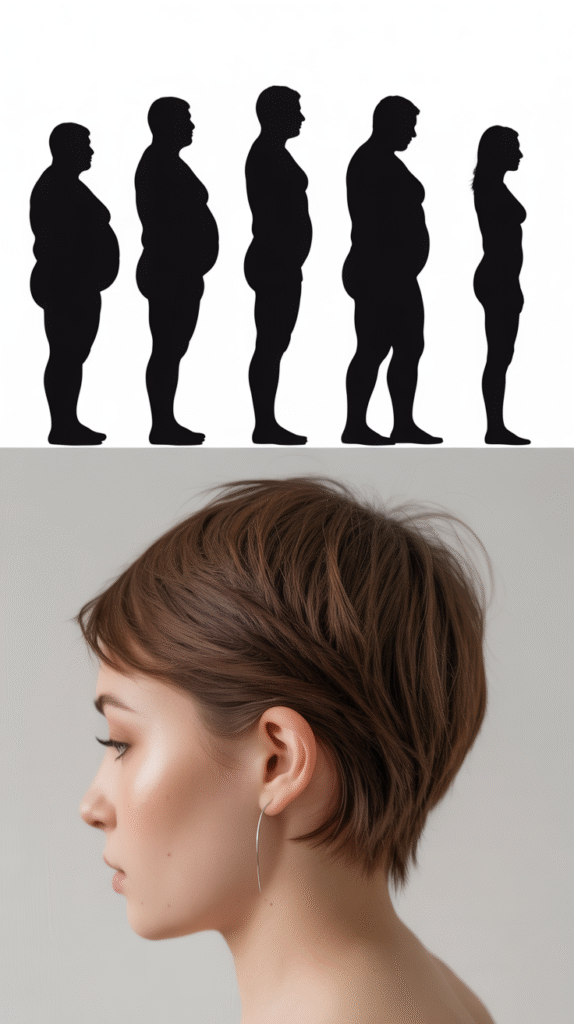
In addition to hormonal changes, obesity often results in poor circulation. Adequate blood flow is essential for delivering vital nutrients and oxygen to hair follicles. When circulation is compromised, hair follicles can weaken, leading to hair thinning and loss. Furthermore, obesity can result in nutritional deficiencies due to poor dietary choices often associated with increased body weight. Micronutrients like vitamins A, D, E, and B vitamins, along with minerals such as iron and zinc, play critical roles in maintaining healthy hair. A diet deficient in these essential nutrients can exacerbate hair loss and hinder recovery.
Statistics provide useful insights into the prevalence of hair loss among individuals who are obese. Research indicates that overweight individuals are at a higher risk for experiencing hair thinning compared to their healthier counterparts. Studies suggest that as body mass index (BMI) increases, the incidence of hair loss also rises, highlighting the urgent need for effective interventions. Understanding the link between obesity and hair loss is crucial for devising comprehensive treatment plans that address underlying issues and promote healthier lifestyles.
Steps to Combat Hair Loss Associated with Obesity
Addressing hair loss associated with obesity requires a multifaceted approach that incorporates lifestyle modifications, nutritional adjustments, and psychological support. One of the most crucial aspects is adopting a balanced diet that provides essential vitamins and minerals necessary for promoting healthy hair growth. Nutrients such as biotin, zinc, iron, and vitamins A, C, D, and E play vital roles in maintaining hair vitality. Incorporating foods rich in these nutrients, such as leafy greens, nuts, seeds, and lean proteins, can greatly contribute to overall hair and scalp health.
In conjunction with dietary changes, regular physical activity is paramount. Engaging in a consistent exercise routine, such as brisk walking, swimming, or strength training, not only aids in weight management but also improves blood circulation, thereby enhancing nutrient delivery to hair follicles. Aiming for at least 150 minutes of moderate-intensity exercise per week can yield significant benefits. Additionally, exercise has the added advantage of reducing stress levels, which is often linked to hair loss.
Implementing weight management strategies is fundamental for individuals experiencing hair loss due to obesity. A gradual and sustainable weight loss plan that focuses on healthy eating and regular exercise should be prioritized over quick-fix diets. Setting realistic goals and tracking progress can promote ongoing motivation and adherence to the program. For some individuals, seeking support from healthcare professionals, such as nutritionists or weight loss specialists, may prove beneficial in navigating these changes.
Furthermore, the psychological impact of obesity and hair loss cannot be overlooked. These issues may lead to feelings of low self-esteem and depression. Cultivating a supportive environment through the encouragement of loved ones or engaging with mental health professionals can enhance emotional well-being during this journey. Building resilience and a positive mindset is essential for tackling the challenges posed by weight loss and hair health simultaneously.
Natural Remedies for Hair Regrowth and Health
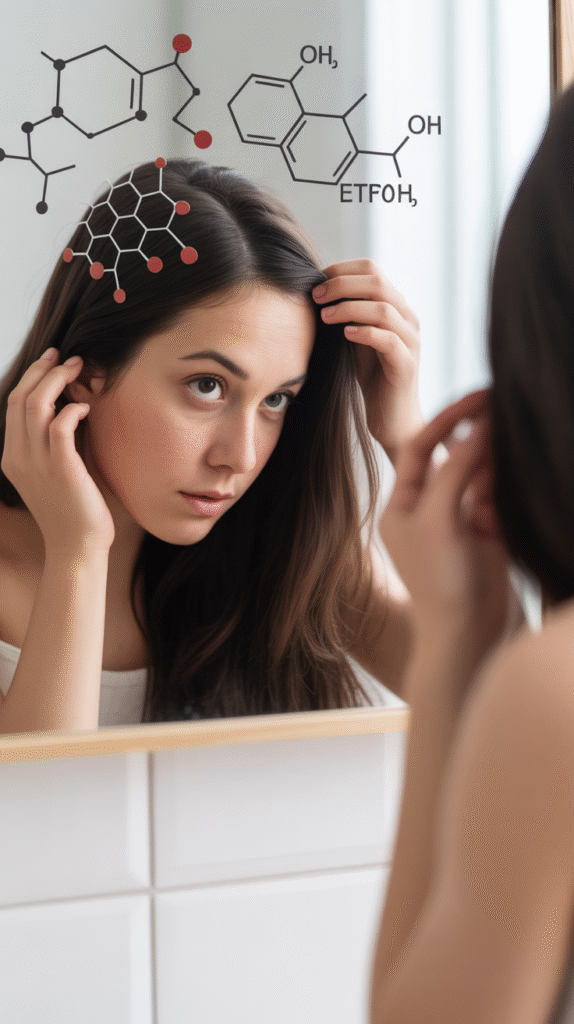
Addressing hair loss can be an intricate process, especially when associated with obesity. Nevertheless, several natural remedies show promising results for promoting hair regrowth and enhancing overall scalp health. Essential oils like rosemary, cedarwood, and peppermint have gained attention for their ability to stimulate hair follicles and improve blood circulation in the scalp. Studies suggest that rosemary oil may promote hair growth comparable to minoxidil, a common hair loss treatment. To effectively use these essential oils, it is advisable to dilute a few drops in a carrier oil, such as jojoba or coconut oil, and apply it directly to the scalp.
Herbal infusions also offer potential benefits for hair health. Ingredients like nettle, ginseng, and hibiscus are rich in vitamins and minerals that contribute to stronger hair growth. Nettle contains silica and sulfur that are known for promoting healthy hair and preventing shedding. A simple infusion can be made by steeping dried nettle leaves in boiling water and using the strained liquid as a rinse after shampooing. Additionally, ginseng is recognized for its ability to combat hair loss by strengthening hair follicles and increasing their vitality.
Incorporating dietary supplements into a nutrition regimen can also facilitate hair regrowth. Supplements containing biotin, zinc, and omega-3 fatty acids are particularly beneficial for those experiencing hair loss. Biotin, a vital nutrient, supports the production of keratin and improves hair growth. Meanwhile, omega-3 fatty acids combat inflammation and maintain a healthy scalp environment. It is recommended to consult with healthcare providers before starting new supplements to ensure they are suitable for individual health needs.
Practical tips for incorporating these remedies include establishing a consistent routine. Regular scalp massages using essential oils can enhance blood circulation while also providing a moment of relaxation. Furthermore, maintaining a balanced diet rich in vitamins and minerals will support hair health from the inside out. By blending these natural approaches into daily habits, individuals may create a holistic plan to combat hair loss associated with obesity effectively.

Conclusion: Embracing Change for Healthier Hair
In the journey to understand the intricate relationship between obesity and hair loss, it becomes evident that addressing underlying health conditions can significantly enhance overall well-being, including hair health. The insights gained from examining the causes of hair loss linked to obesity highlight the importance of maintaining a balanced lifestyle. Factors such as hormonal imbalances, nutrient deficiencies, and increased inflammation contribute to the deterioration of hair quality and growth, illustrating the need for a comprehensive approach to health.
Adopting healthier habits is not merely a cosmetic choice, but a crucial aspect of improving one’s quality of life. Individuals experiencing hair loss due to obesity should focus on integrating nutritious foods into their diet, engaging in regular physical activity, and managing stress levels. These lifestyle changes can promote a healthier body composition, which in turn fosters better hair growth and resilience. It is essential to recognize the significance of treating the root causes rather than just addressing the symptoms, as this holistic approach can lead to enduring results.
Moreover, remaining informed and proactive about hair health and overall wellness empowers individuals to take charge of their lives. Seeking professional assistance when necessary can provide tailored guidance to navigate this journey effectively. By understanding the interplay between obesity and hair loss, individuals can embrace a transformative process that not only restores hair vitality but also enhances self-esteem and confidence.
Through dedication to healthy changes, individuals can achieve a balanced state of health that ultimately reflects in their hair. Embracing this journey is about more than just hair recovery; it is about cultivating a sense of well-being that impacts all areas of life. This is an invitation to prioritize health for a brighter future.
For More Weight loss Topics please check Blog