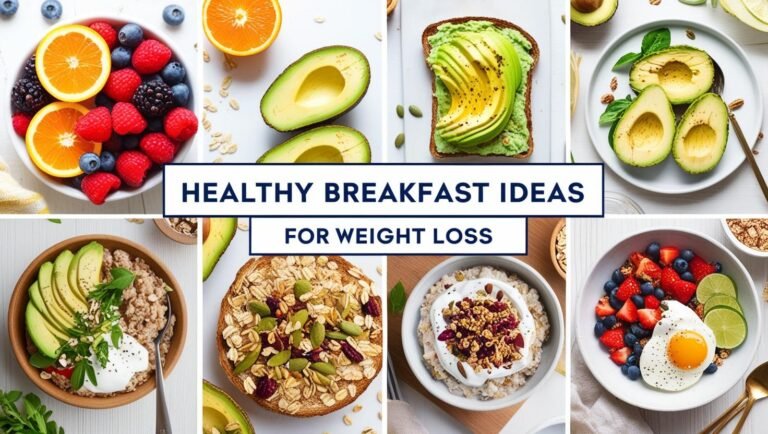
For many women over 40 trying to lose weight, a practical starting range is 1.2 to 1.6 grams of protein per kilogram of body weight per day, adjusted for activity, body size, and health. Could eating more protein help protect muscle while you lose weight, or is the 30g rule too simple? The 30g rule is a practical meal guide, not a universal prescription or a replacement for an individualized daily target.
Women over 40 who are trying to lose weight may benefit from eating approximately 1.2–1.6 grams of protein per kilogram of body weight daily, depending on their activity level, health, and individual needs.
The popular 30g protein rule is a simple way to spread protein throughout the day. Instead of eating most of your protein at dinner, aim for around 25–30 grams of protein at each main meal.
For example:
- Breakfast: Greek yogurt, eggs, and berries
- Lunch: Grilled chicken with quinoa and vegetables
- Dinner: Salmon with roasted vegetables and brown rice
Eating enough protein can help you feel fuller for longer, maintain muscle during weight loss, and support healthy aging.
Remember: The 30g rule is a helpful guideline, not a strict requirement. Your ideal daily protein intake depends on your body weight, activity level, and overall health. If you have kidney disease or another condition affecting protein needs, consult your healthcare professional.
Menopause, changing routines, and different health needs can all shape how you approach protein. Your calorie needs, activity level, body size, food choices, and health conditions also matter. The protein RDA is the daily protein intake set to meet the needs of nearly all healthy people, not a personalized weight-loss target. This article explains how to think about a daily goal and build a plan that fits your life. The useful target is one you can meet consistently while keeping strength training and a balanced diet in the picture.
Disclosure: Some links in this article are affiliate links. This means I may earn a small commission if you make a purchase through my links, at no additional cost to you. Thank you for supporting Healthy Life Revolutions!

Daily Protein Requirements for Women Over 40
The 2026 U.S. guideline range is 1.2 to 1.6 grams per kilogram of body weight per day, while the right point within it depends on the person. For a 150-pound adult, that range equals 80 to 110 grams per day. This helps answer how much protein per day to lose weight for a woman, but it is not a fixed prescription.
The protein RDA is lower than that range. It sets a daily minimum reference for nearly all healthy adults, rather than a personalized weight-loss target.

The 2026 guideline range and the RDA
The 2026 U.S. guideline range is 1.2 to 1.6 grams of protein per kilogram body weight per day. At 150 pounds, the range comes to 80 to 110 grams. A 100-gram daily intake falls within it for some women, including that example, but may not suit every body size or activity level.
The older protein RDA is 0.8 grams per kilogram per day. U.S. women consume about 65 to 75 grams per day on average. That average is below the stated guideline range for a 150-pound adult, but it does not mean every woman is deficient.
How body size and active weight loss affect the target
Body size affects the calculation, while activity and the demands of weight loss can affect where you land within a range. A 40-year-old woman does not have one set protein need based on age alone. For adults over 40 who are actively losing weight, dietitian Marily Oppezzo advises 1.6 grams per kilogram of adjusted body weight per day to help reduce muscle loss.
Use a guideline range as a starting point, not a personal prescription. Body size, activity, and health can change the target that fits you.
For adults over 40 who are actively losing weight, Oppezzo’s 1.6-gram recommendation uses adjusted body weight.
What Does the 30g Rule Mean at Each Meal?
The 30g rule is a rough guide for building a protein-containing meal, not a cap on how much the body can use. UCLA Health clinical nutritionist Michael Garcia recommends about 25 to 30 grams of protein per meal as a general guide. A meal with 40 grams is not automatically too much.
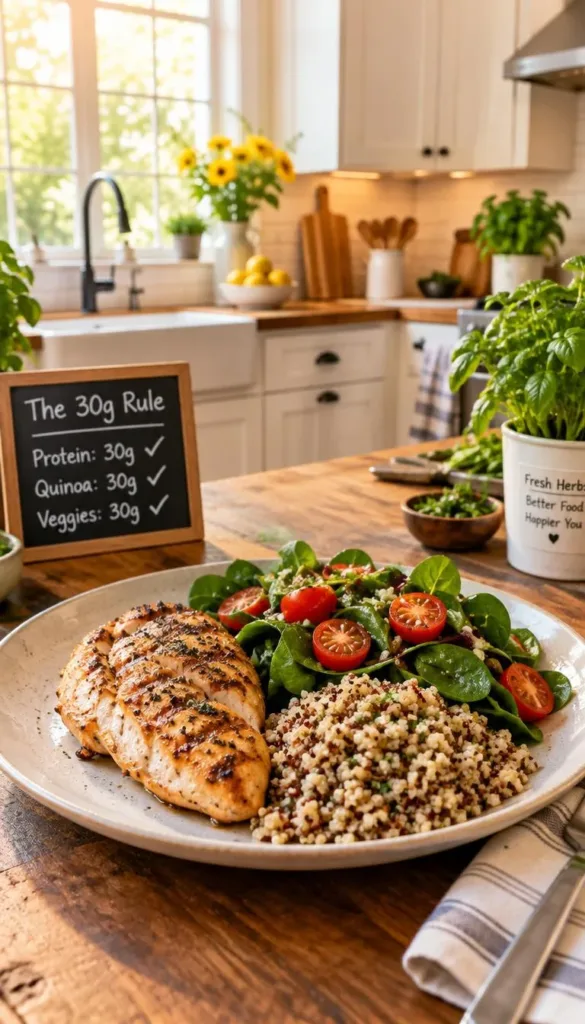
The 30g rule turns a daily goal into a simple meal benchmark. It can help you think about whether breakfast, lunch, or dinner includes enough protein, without demanding an exact amount at every sitting. Your needs can vary, so treat the benchmark as a flexible guide.
Protein beyond 30 grams in one meal is not simply wasted. A 40-gram meal may fit comfortably into someone’s day, depending on the person’s needs and the rest of their intake. The daily pattern matters more than treating one meal as a pass-or-fail test.
Some meals will be larger or more protein-rich than others. You do not need to force every plate to match the same number. Treat a meal near 40 grams as one part of the day’s total, not as a reason to skip protein later.
Why Protein and Strength Training Matter During Weight Loss
During weight loss, resistance training matters more for maintaining muscle than simply pushing protein intake higher. Protein supports muscle, but it cannot replace strength training. Make resistance exercise a central part of a plan aimed at keeping muscle while losing weight.

Preserving muscle matters alongside fat loss
A calorie deficit can lead to changes in both fat and muscle. Strength training gives your muscles a reason to stay active as your body weight changes. Protein per day to build muscle is only one part of that picture, and more protein alone does not guarantee muscle gain.
Marily Oppezzo says strength training is more important than higher protein intake for maintaining muscle. A steady exercise routine can support that goal without making protein the only focus. The right plan should also account for your health, ability, and current fitness.
What a 2024 resistance-training trial found
A 2024 randomized trial assigned 55 healthy postmenopausal women to four groups. The resistance-training program lasted 12 weeks, with three sessions each week and five exercises per session. The protein groups consumed 2.5 grams per kilogram of fat-free mass.
The 2024 trial results showed increases in skeletal muscle mass in both training groups. The training-plus-protein group gained 1.4 ± 0.9 kilograms, while the training-only group gained 1.2 ± 1.3 kilograms. The training-only group lost 2.4 ± 2.9 kilograms of fat mass.
| Trial outcome | Group | Change |
|---|---|---|
| Skeletal muscle mass | Training plus protein | 1.4 ± 0.9 kg |
| Skeletal muscle mass | Training only | 1.2 ± 1.3 kg |
| Fat mass | Training only | Decrease of 2.4 ± 2.9 kg |
The trial found no clear added effect from a high-protein diet alongside resistance training compared with training alone. Its results describe this group and program, not a promise for every woman.
What a three-year analysis estimated
A 2026 emulated target-trial analysis used data from 3,789 postmenopausal women ages 50 to 79. It estimated body-composition changes over three years at protein levels of at least 0.8, 1.0, 1.2, and 1.5 grams per kilogram per day.
The hypothetical intake of at least 1.2 grams per kilogram per day could benefit body composition. An intake of at least 1.5 grams per kilogram per day was associated with an estimated 2.5-kilogram lower body weight over three years than no intervention. Treat the longer-term estimates as associations from a hypothetical analysis, not a guaranteed result for an individual.
How Can You Calculate Your Protein Intake?
A simple starting estimate multiplies body weight by a protein target expressed in grams per kilogram or grams per pound. Choose the target first, since the protein RDA and a weight-loss goal are different calculations. A protein intake calculator gives an estimate, not a diagnosis or personal prescription.

Start with body weight and the right target
The adult protein RDA is 0.36 grams per pound of body weight per day, or 0.8 grams per kilogram. At that baseline, a 120-pound person needs 43 grams per day. A 150-pound adult needs about 55 grams, and a 200-pound person needs 72 grams.
| Body weight | RDA protein per day | Calculation basis |
|---|---|---|
| 120 lb | 43 g | 0.36 g/lb |
| 150 lb | About 55 g | 0.8 g/kg |
| 200 lb | 72 g | 0.36 g/lb |
A calculator for weight loss in women should use a suitable goal, not automatically the RDA. For added background on protein needs, the MD Anderson dietitian’s protein guidance explains common intake formulas and why some health needs call for personal advice.
A 60-kilogram adult uses the same formula
A 60-kilogram adult uses the same body-weight formula whether man or woman when applying the cited per-kilogram recommendation. Multiply 60 kg by the chosen grams-per-kilogram target. The target can be the RDA or another suitable level, depending on the person and goal.
A basic estimate is not always suitable for every body size. For people with a BMI above 30, Oppezzo advises using adjusted body weight rather than actual body weight. Do not invent an adjusted-body-weight formula or apply one without help. Use the calculator result as a starting estimate, and ask a dietitian or clinician to help when body composition or health conditions complicate the calculation.
Which Protein Foods Fit Different Eating Preferences?
A reliable protein source is one that fits your eating preferences and makes it easier to meet your daily target. Choose foods you enjoy, whether you eat animal foods, dairy, plants, or a mix. Compare protein amounts with the portion size in mind.

Animal and dairy choices
Chicken, Greek yogurt, cottage cheese, and milk offer familiar options for many women. One cup of plain Greek yogurt has 26 grams of protein, while three ounces of cooked chicken breast has 25 grams. Half a cup of cottage cheese has 14 grams, and one cup of milk has 8 grams.
| Food | Portion | Protein |
|---|---|---|
| Cooked chicken breast | 3 oz (85 g) | 25 g |
| Plain Greek yogurt | 1 cup (245 g) | 26 g |
| Cottage cheese | 1/2 cup (112 g) | 14 g |
| Cooked lentils | 1/2 cup (90 g) | 9 g |
| Cooked black beans | 1/2 cup (90 g) | 8 g |
| Cooked edamame | 1/2 cup (78 g) | 9 g |
Plant-based choices
Lentils, black beans, edamame, quinoa, almonds, and tofu can help build a plant-based pattern. One cup of cooked quinoa has 8 grams of protein. One ounce of almonds has 6 grams. Plant foods vary in protein and other nutrients, so using different sources is a useful approach.
For food values, USDA FoodData Central offers a searchable database of foods and nutrients. That can help you compare foods you actually buy, since brands and recipes may differ.
Eggs as part of a day’s intake
One large egg provides 6 grams of protein, and a medium egg contains 6.4 grams. Two eggs contribute protein, but they cannot stand in for a full day’s needs. Whole raw egg contains 12.6 grams per 100 grams, a different measure than the amount in one egg.
Eating eggs every day for 30 days does not promise a special effect. The result depends on the rest of your diet and what eggs replace or add. The five “highest protein foods” cannot be ranked fairly without setting serving sizes first. Compare foods by the portion you actually eat, not by the protein number detached from its serving size.
Build a Day Around Three or Four Eating Occasions
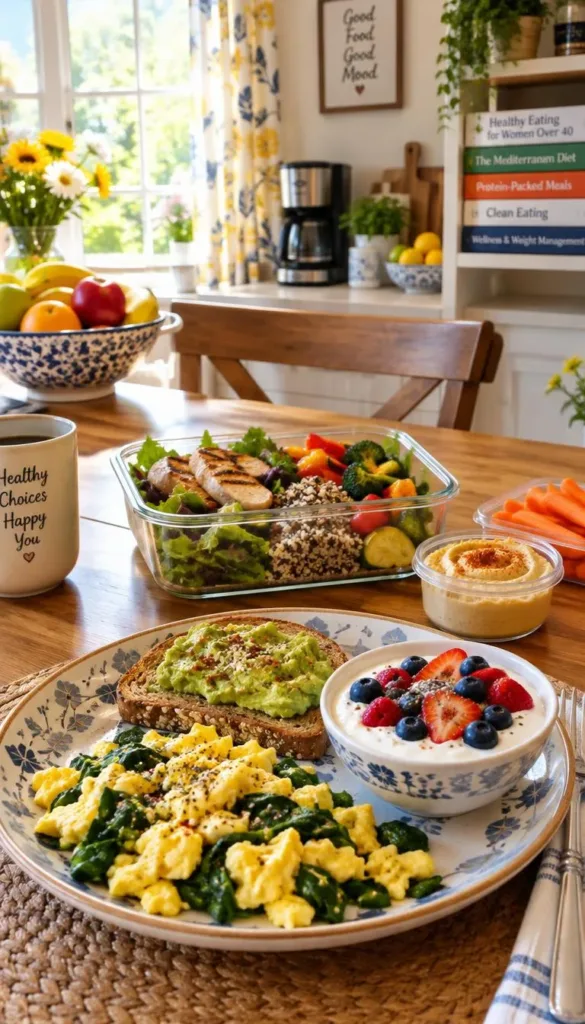
Spreading protein across breakfast, lunch, and dinner makes a daily target easier to manage than saving most of it for the evening. A flexible routine can include three meals and one optional snack. Consistency and the day’s total matter more than a rigid schedule.
Add a protein source at breakfast and lunch
Start breakfast with eggs or yogurt when those foods suit you. Toast and coffee alone may leave breakfast light on protein, making dinner carry more of the day’s intake. A small change at breakfast can make the routine feel less rushed later.
At lunch, add beans or chicken to a salad, grain bowl, or other meal you already enjoy. Rice and vegetables can stay on the plate; the protein source adds another part of the meal. Choose food that fits your taste and schedule.
Make dinner and snacks fill real gaps
For dinner, include a protein source that fits your usual meal, such as fish, tofu, beans, or poultry. Cleveland Clinic recommends eating smaller amounts of protein across the day rather than having one large amount at a single meal.
A snack is optional, not a required fourth meal. Use one when your meals leave a clear gap or your schedule makes a meal difficult. If a meal is light on protein, use a planned snack to fill that day’s gap rather than treating the routine as failed.
Can Protein Supplements Help You Reach a Goal?
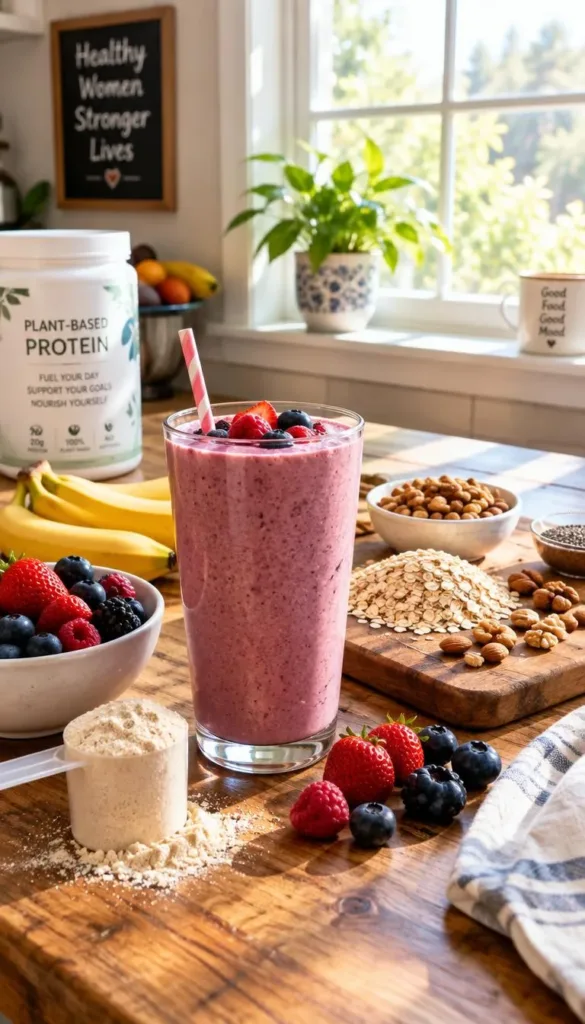
A protein supplement can be a convenient gap-filler when a meal or snack does not provide enough protein. It is optional, not a requirement for weight loss. Keep whole foods as the foundation of your diet.
Use supplements to fill a practical gap
A powder, bar, or ready-to-drink shake may help on a busy morning or when you miss a meal. It can be easier to carry than a full meal, but it does not make a weight-loss plan work by itself. A protein shake routine can fit into a fitness plan when it serves a practical need.
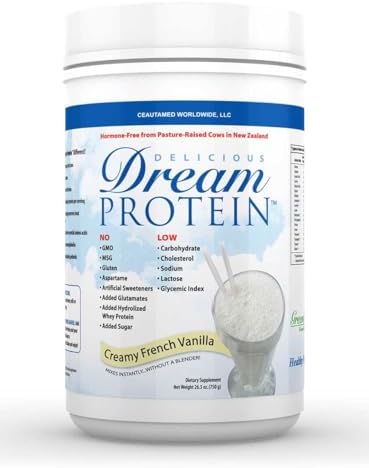
Supplements can differ in protein, calories, sugar, and other ingredients. A general label screen is 10 to 15 grams of protein, under 15 grams of carbohydrates, under 200 to 250 calories, and less than 5 grams of added sugar per serving. These figures are a filter, not a rule that every product must meet.
Check labels and consider health conditions
The FDA does not regulate ingredients used in dietary supplements. Read the package carefully and consider the full nutrition facts, not just the protein number. A supplement is not automatically safer than food, and a bar or drink may add calories you did not plan to eat.
Protein powders and bars are not needed if food already meets your needs. They may be useful when time, appetite, or access to meals makes a regular meal hard. Kidney disease or another health condition can change protein needs, so check with a healthcare provider before making a substantial change.
If kidney disease or another condition affects your diet, get personalized advice before raising your protein intake.
Clues That Your Protein Plan Needs Attention
A few everyday changes can prompt a closer look at protein intake, but none of them proves that protein is the cause. Possible clues include hunger soon after eating, declining strength, slower recovery, and frequent cravings for sugary foods. These signs are nonspecific and can have other causes.

Possible signs of an intake gap
Notice whether these patterns show up often, rather than treating one hard workout or hungry afternoon as proof. Changes in strength or recovery can relate to sleep, training, stress, health, or food intake. Cravings and hunger also have many possible causes.
A seven-day food log can help you see what you eat across a normal week. Record meals and snacks without changing your routine to make the log look better. A log can reveal patterns, but it cannot diagnose a health problem.
When concerns are about too much protein
There is no established universal set of ten signs that proves someone eats too much protein. Excess protein may contribute to digestive discomfort or an unintended calorie surplus. Those issues are possible concerns, not definitive signs that protein is the cause.
Look at the full pattern, including how protein foods affect your digestion and total intake. A food log can help you spot whether large portions or frequent add-ons are changing your daily calories. Discuss persistent symptoms or concerns with a qualified healthcare professional rather than treating a food log as a diagnosis.
How Does Protein Fit Into a Calorie Deficit?
Protein can support a weight-loss plan, but it does not replace the overall calorie balance that drives weight change. A calorie deficit means taking in fewer calories than your body uses over time. Protein is one part of a balanced eating pattern, not a shortcut around total intake.
Protein provides 4 calories per gram. A commonly stated range is 10% to 35% of daily calories from protein, but that range is broad. At 2,000 calories per day, it equals 50 to 175 grams of protein.
That example shows why a calorie-based range is not a personal target. Your calorie intake and protein needs are not interchangeable measures. For a broader look at weight loss and calorie balance, focus on habits you can maintain rather than extreme cuts.
Protein cannot create weight loss on its own. Consider its calories as part of your full day’s intake, alongside the rest of your food.
Adding protein without considering total intake can leave less room for carbohydrates, fats, and other nutritious foods. A balanced diet includes those foods too, in portions that fit your overall plan. Use calorie-based percentages as context, not as a substitute for a body-weight-based protein estimate.
Conclusion
A steady, realistic protein routine is more useful than chasing a perfect number for one day. Protein can support weight loss while helping you keep muscle, especially when it sits alongside resistance training and a balanced eating pattern.
Write down what you currently eat for a few days and look for a change that feels manageable. A dietitian or clinician can help set a personal target when health needs or body-size calculations make the estimate less clear. You do not need to overhaul every meal at once.
Choose one change you can sustain this week and check with a qualified professional if your health needs call for individualized guidance.


How Much Protein Do Women Over 40 Need to Lose Weight? (The 30g Rule) Explained