Hormonal belly fat after 40 calls for sound eating, muscle-building activity, sleep and stress support, not a metabolism reset. Your waist can grow even without much change on the scale. That can feel puzzling when your usual meals and clothes have not changed.

Hormones, age and daily demands can all affect what your body needs. Six lifestyle habits and one optional herbal-drink habit offer practical support for women at midlife. These choices support health, not a switch that restores youthful hormone levels.
Key Takeaways
- Waist changes do not mean you have failed.
- Regular meals can help protect muscle.
- Movement works best when it fits your life.
- Recovery deserves time alongside daily tasks.
- Herbal drinks remain optional, including during menopause.
You can start without trying to change everything at once. Small steps leave room for your needs and preferences. A changing waistline is a reason to reassess your needs, not a verdict on your willpower.
Why Hormonal Belly Fat After 40 Can Increase
Your waist can change even when your scale weight barely moves. The different types of belly fat are subcutaneous fat beneath the skin and visceral fat around organs. Turning 40 does not cause an abrupt metabolic switch.
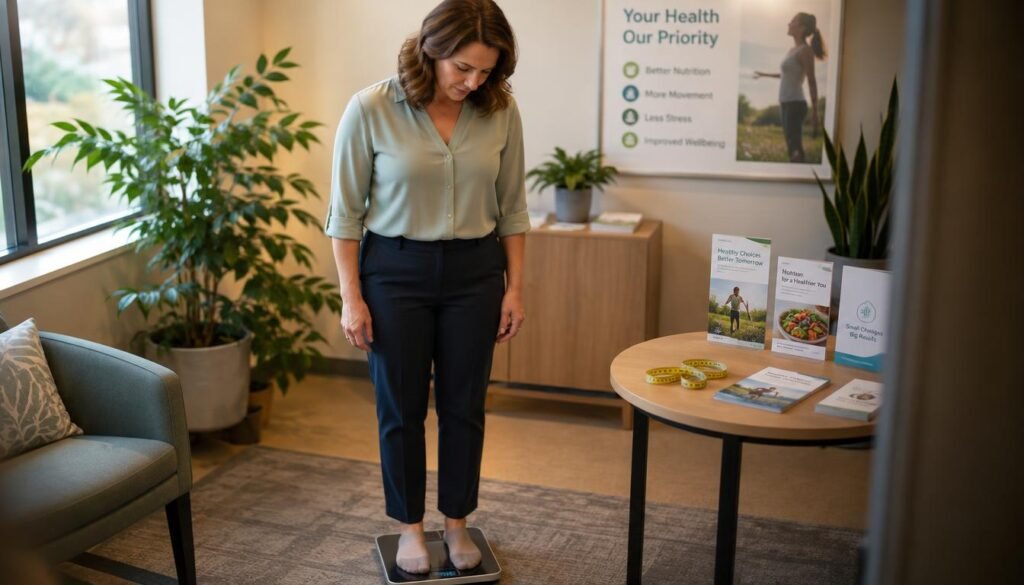
Visceral fat is fat stored deep within the abdomen around internal organs. “Hormonal belly fat” is an informal description, not a diagnosis. Declining estrogen can shift fat toward your midsection without substantial weight gain.
Genetics, activity and energy intake also shape these changes. Perimenopause can begin 5-10 years before your final menstrual period. Menopause means at least 12 months without menstruation after that last period.
| Change | Location or pattern | Meaning |
|---|---|---|
| Subcutaneous fat | Beneath the skin | Part of total fat stores |
| Visceral fat | Around internal organs | Excess is linked to cardiometabolic risk |
| Bloating | Fullness that may fluctuate over hours | Not a type of body fat |
During menopause, 60%-70% of midlife women report weight gain. A review of body composition reports average gains of about 1.5 pounds yearly between ages 50 and 60. That average holds across starting body sizes and racial or ethnic groups, but does not predict your experience.
Fat gain and loss of lean tissue speed up during perimenopause. Body composition tends to stabilize after menopause. Estrogen changes help explain the pattern, but they do not account for every person’s course.
Excess deep abdominal fat raises the risk of heart disease and type 2 diabetes. These risks involve more than appearance or clothing size. A fuller view of obesity and diabetes prevention includes insulin resistance, when cells respond less well to insulin.
Visible belly size alone cannot show how much visceral fat you carry.
Build Meals That Support Muscle and Steady Energy
A satisfying meal might pair lentils, brown rice and vegetables instead of a smaller portion of snack foods. You can lose stomach fat after 40 years old through sustainable overall fat loss, when appropriate. A lasting energy deficit means taking in fewer calories than your body uses.
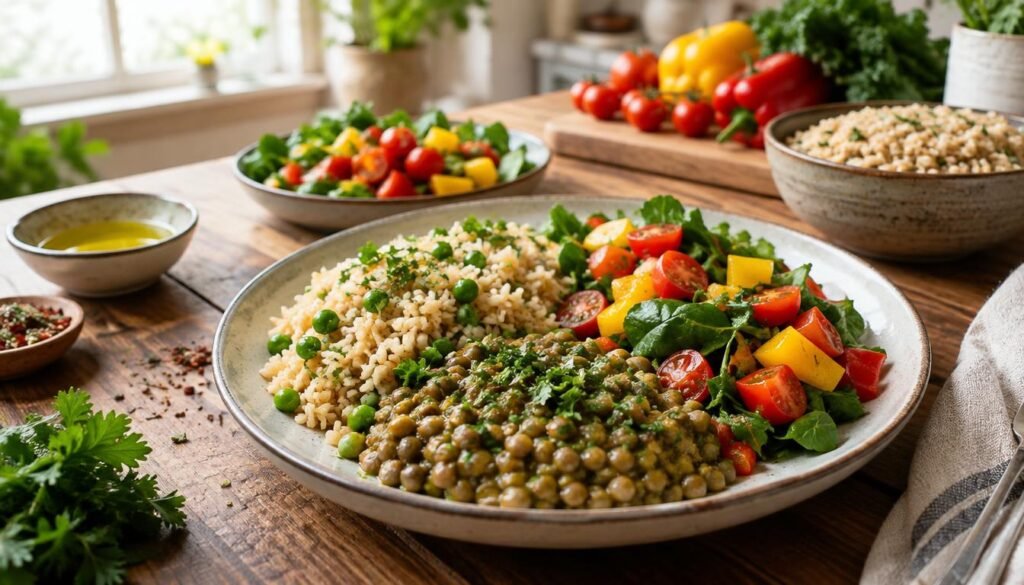
Adequate food still matters during weight loss. Too little can leave you hungry and make muscle harder to protect. A useful diet supports your health and daily tasks rather than simply shrinking every serving.
Include Protein in Regular Meals
Make protein part of regular meals to help maintain muscle. Try eggs or tofu at breakfast, beans or fish at lunch, and poultry or lentils at dinner. Pair those foods with enough variety to keep meals enjoyable.
Protein supports muscle maintenance, especially alongside resistance exercise. You do not need to build every meal around meat or buy special powders. With kidney disease, get tailored advice about your protein needs rather than following a high-protein trend.
Regular meals can also help you avoid reaching dinner feeling ravenous. Choose options that fit your budget, tastes and cooking time. A repeatable breakfast may serve you better than a complex menu you rarely use.
Favor Fiber-Rich Foods and Unsweetened Drinks
Favor vegetables, fruit, beans and whole grains for fiber and steady energy. The easiest useful ways to burn belly fat are replacing sugary drinks and making balanced staples convenient, not passive tricks. These changes reduce effort without requiring a special menopause diet.
USDA MyPlate puts fruits and vegetables on about half your plate. Grains and protein foods share the remaining space. Vegetables, brown rice, beans and olive oil also fit a Mediterranean-style pattern with nuts and fruit.
Whole grains and fruit need not disappear to support blood sugar. Sugary drinks and alcohol can add energy without a balanced meal’s fullness. Choose water or another unsweetened drink when that swap suits you.
Keep a few staples where you can see and reach them. Frozen vegetables can spare you some chopping and waste. Prewashed produce and canned beans can make a balanced meal easier on your busiest evenings.
Combine Strength Training With Regular Walking
Preserving muscle and increasing aerobic movement solve different parts of the same problem. Strength training helps protect muscle mass, while aerobic activity increases energy use and supports heart fitness. Muscle loss can reduce how much energy your body uses.

You can benefit from movement without making weight loss your goal. Carrying groceries, climbing stairs and rising from a chair all draw on muscle. Preserving those skills matters for women as daily demands and recovery needs change.
Train Major Muscle Groups
Use strength training to work the major muscle groups at least two days per week. Chair squats train your legs, while wall push-ups work your chest and arms. Band rows work your back, and adapted hip hinges train your hips.
Start within your current ability and put technique before heavier resistance. A stable chair and a clear floor can make home sessions simpler. Choose a range of motion you can control without straining.
Build gradually as familiar movements become easier. You might add resistance or repetitions rather than changing everything at once. Give yourself time to learn each movement before adding more load.
Training helps preserve or build muscle mass, but soreness does not prove a session worked. Keep the work challenging enough to require effort while maintaining control. Adapt movements to your joints, balance and available equipment.
Accumulate Aerobic Activity Without Chasing Spot Reduction
Exercises to reduce fat around your tummy should support overall activity and muscle; core work chiefly builds core strength. No particular seven exercises before bed reliably cause selective belly fat loss; timing does not create that effect. Choose brisk walking, cycling or swimming based on what feels workable.
Aim for 150 minutes per week of moderate aerobic activity or 75 minutes of vigorous activity. You can combine the two and spread movement across several days. About 300 minutes offers added benefits, but remains an optional progression, not a starting requirement.
In a 10-week trial, 16 overweight men averaged 43 years old, with a nine-year age spread. Abdominal endurance work reduced trunk fat mass by 7%; treadmill-only exercise produced no change there. Total fat fell 6% and 5%, respectively.
That small male trial does not establish a reliable belly-targeting plan for menopausal women. Core exercises can still help you build control for daily movement. Stop an exercise that causes sharp pain rather than trying to push through it.
Protect Sleep and Make Stress Easier to Manage
Night sweats and a crowded schedule can make a workable health routine much harder to maintain. Recovery helps you sustain choices when work, caregiving or menopause symptoms compete for your energy. Sleep and stress relief support health, not targeted fat burning.

A difficult night can leave less patience for cooking or other tasks. That is a practical barrier, not a character flaw. Choose recovery steps that fit the demands you actually face.
Give Sleep a Consistent Opportunity
Give yourself a regular chance to get about 7-9 hours of sleep nightly, allowing for your own needs. Your body uses energy while you sleep, but no nighttime food or bedtime trick selectively burns belly fat. Protecting rest serves a broader purpose than changing your waist.
Keep a regular wake time and allow enough room for rest. A cooler bedroom may help when hot flashes and night sweats interrupt the night. Persistent symptoms deserve care rather than endless changes to your bedtime habits.
A pooled analysis of randomized trials followed 95 adults at elevated heart and metabolic risk. Over six weeks, restricted rest cut nightly sleep by 78.4 minutes compared with adequate rest. Weight increased by 0.45 kilograms, and waist size increased by 0.52 centimeters.
Those modest, short-term adult findings do not predict your personal weight response. They show why giving rest enough space belongs in health care. They do not make a rough night something to fear.
Use Stress Relief Without Chasing a Cortisol Reset
Use brief breathing practice, enjoyable downtime or counseling to make stress easier to manage. Cortisol-associated weight gain has no unique look that separates it from other causes. Cortisol is a normal stress-response hormone, and ordinary strain does not establish a hormone disorder.
Stress relief can help even when your waist does not change. A quiet break may offer value through comfort, focus or better coping. Browse health and weight-management topics based on the daily challenge you want to address.
Make room for support when demands exceed what you can manage alone. Counseling can offer structured help with coping skills. Persistent snoring, gasping or daytime sleepiness deserves a conversation about possible sleep apnea.
Keep Herbal Drinks Optional and Skip Fat-Burning Supplements
An unsweetened herbal drink can change your cup, but it cannot direct where your body loses fat. Nothing safely “kills” belly fat naturally, and no herb selectively removes it. Treat an herbal beverage as an optional swap, not another health task.

The seventh habit means replacing a sweetened drink when you enjoy the alternative. It does not mean adding a product to boost metabolism or balance menopause hormones. Brewed drinks and concentrated extracts are different products with different risks.
| Form | Practical role | Main caution |
|---|---|---|
| Brewed peppermint tea | Unsweetened beverage option | May worsen reflux |
| Brewed green tea | Unsweetened caffeinated beverage | Caffeine may not suit everyone |
| Concentrated green tea extract | Marketed weight-loss supplement | Adverse effects and drug interactions |
Peppermint tea is naturally caffeine-free, while green tea contains caffeine. Drinking brewed green tea does not reproduce the effects of a concentrated extract. Your preference and tolerance matter more than a fat-burning claim.
Acai and hoodia have no proven long-term benefit for weight control. Green tea extracts, bitter orange extract and Chinese herbal weight-loss products have not shown effectiveness for weight loss. Each can cause side effects.
“Natural” does not mean safe for women or anyone else. Supplements can interact with drugs, cause direct harm or contain hidden active medicines. Concentrated products also differ from ordinary culinary use of herbs.
Packaging may stress plant ingredients while giving little attention to those risks. A familiar herb name does not establish that a blend is safe. Ask a pharmacist to check the exact ingredients before combining an herbal product with medication.
Track Your Waist and Know When to Seek Care
A waist measurement can add context that the scale misses. For women, greater than 35 inches (89 centimeters) signals increased health risk, not a diagnosis. Ethnicity and other clinical factors also affect risk.
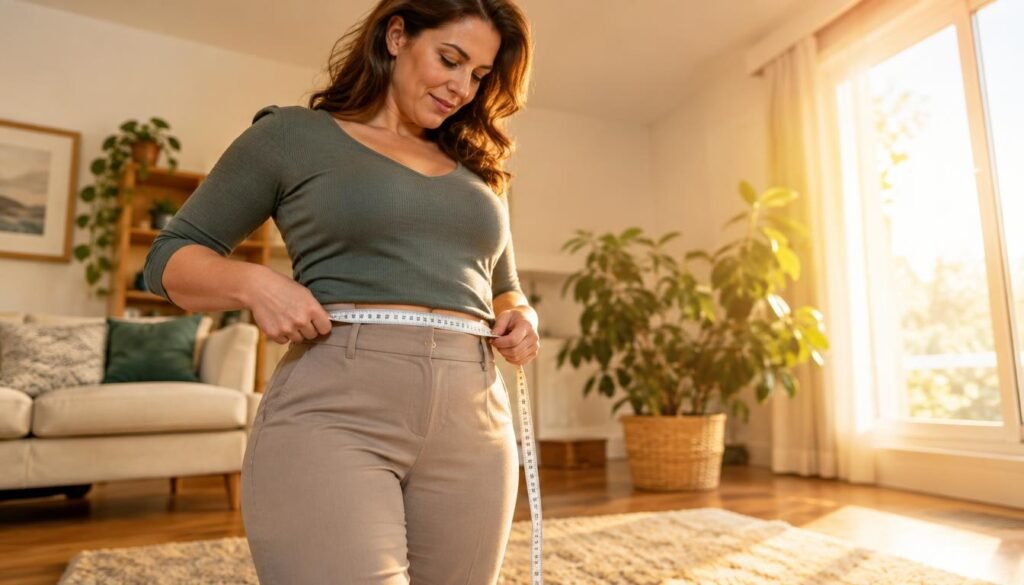
Place a level, snug tape just above your hip bone. Read it after a relaxed exhalation. Pair waist trends with strength and clinician-assessed blood pressure, blood sugar or cholesterol.
These checks help assess risks tied to insulin and weight. Sudden or unexplained changes deserve review, including your medications. Thyroid disease and depression can also contribute.
Testing should follow symptoms and history, not belly appearance. Persistent abdominal swelling deserves assessment rather than an assumption about fat. Menopause symptoms can warrant a separate treatment discussion.
Menopause hormone therapy treats symptoms; it is not a weight-loss treatment.
Note when new swelling starts and whether it persists. That timeline can help guide care. Seek prompt assessment for new abdominal swelling accompanied by pain or vomiting.
Conclusion
You do not need a perfect routine to begin supporting a stronger midlife body. Better strength or fitness may show up before a visible change in your waist. Getting through a busy day with more ease counts as meaningful progress.
Pick one workable habit rather than attempting a complete lifestyle overhaul. Give that choice time to fit your real schedule before adding more. A useful starting point should feel possible on an ordinary day, not just your best one.
You can adjust the plan as your needs change. Choose the habit that feels most manageable today and put its first action on tomorrow’s calendar.